The Mt Kenya Times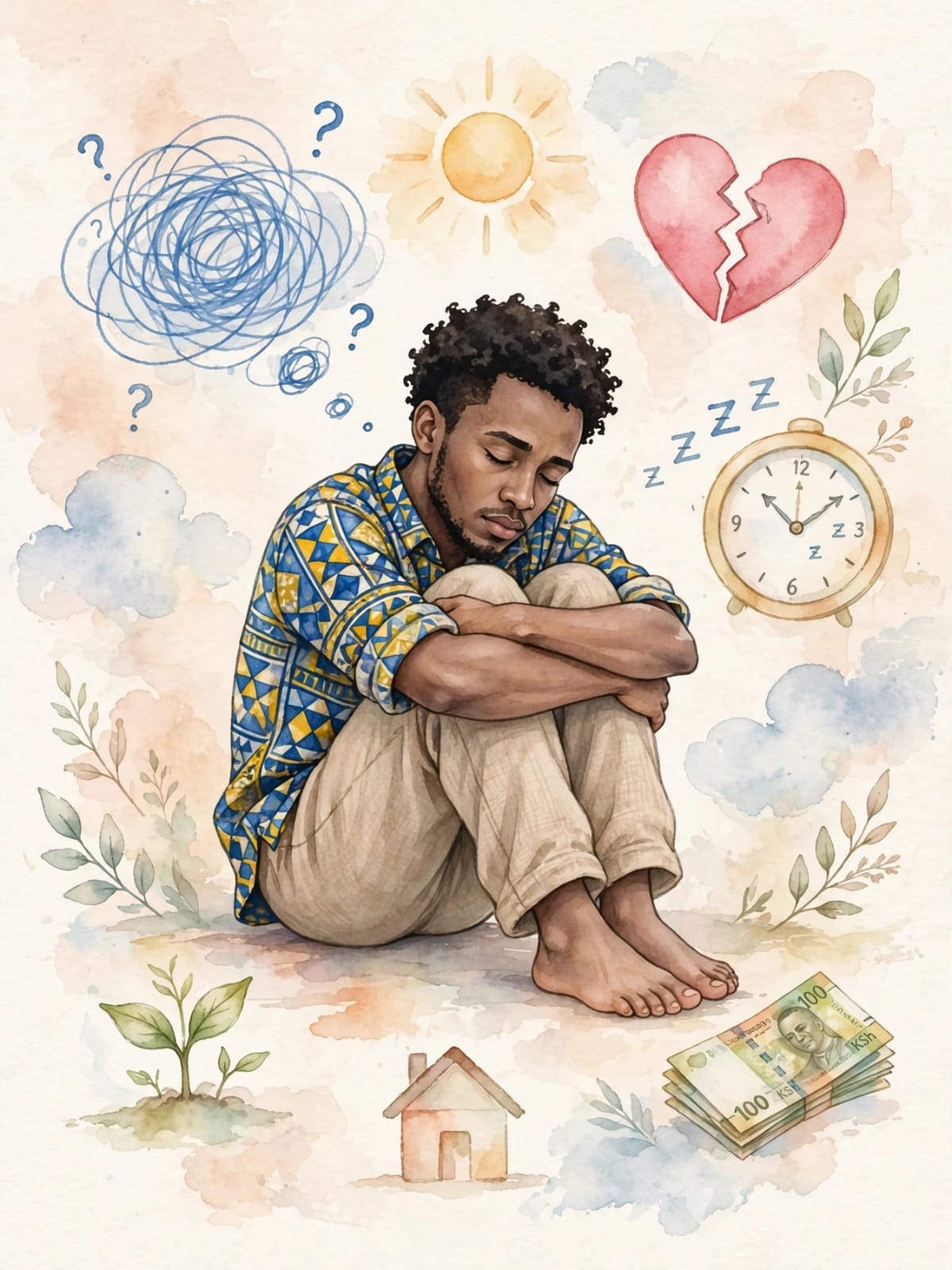
Stress
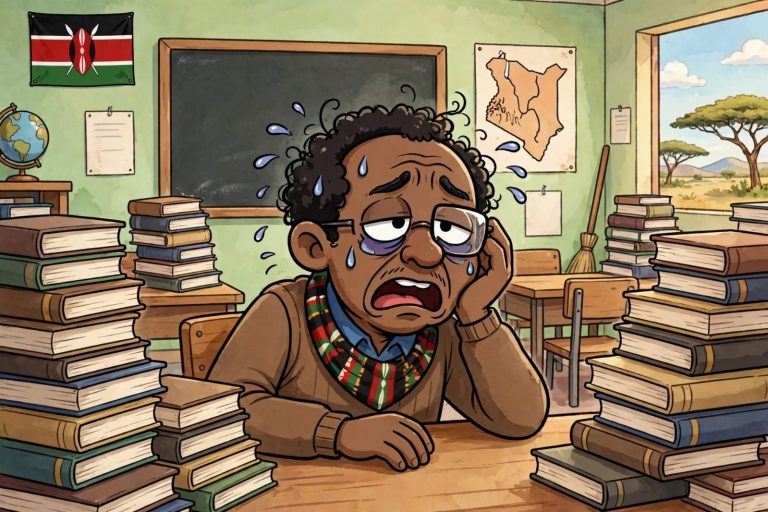
The nervous system does not know the danger has passed — and for millions of Africans carrying silent contracts of endurance, that silence is making them sick
By Wanjohi P. Mugambi
Stress is a normal part of being human. When we face a demand — a deadline, a threat, a difficult conversation — the brain activates a cascade of responses. Cortisol and adrenaline rise, the heart rate increases, attention narrows. Once the demand passes, the body restores its balance. This is healthy, adaptive stress doing exactly what it should.
Stress disorder is something different. It occurs when that system fails to return to baseline — when the body remains locked in survival mode long after the external threat has gone. Clinically, this shows up across Acute Stress Disorder, Adjustment Disorder and Post-Traumatic Stress Disorder. The common thread running through all three is persistent hyperarousal, intrusive memories, avoidance, shifts in mood and cognition, and physical complaints that medical tests cannot explain.
The concept of allostatic load helps explain why. Allostatic load is the accumulated cost of chronic adaptation. When stress is repeated without recovery — without safety, without being heard — that cost builds. The amygdala, the brain’s threat-detection centre, becomes overactive. The prefrontal cortex, which governs regulation and decision-making, becomes underactive. The hippocampus, which helps distinguish past from present, loses efficiency. The result is a person who reacts to a minor present-day stressor with the full force of a past survival response.
A racing heart at 2am. A tension headache at 4pm. Digestive disturbance, musculoskeletal pain, broken sleep, irritability or emotional numbness. These are not character flaws. They are physiological markers of prolonged threat exposure.
Research led by Felitti and Anda involving more than 17,000 participants demonstrated a clear dose-response relationship between early adversity and later health outcomes. Individuals with four or more adverse childhood experiences faced significantly higher risk of depression, anxiety, cardiovascular disease, cancer and chronic pain. Not because of weakness or curse, but because early adversity shapes the developing nervous system to remain permanently watchful.
In the African context, this matters enormously. Cultural scripts around strength often teach emotional containment as a form of resilience. A man does not cry. A good woman endures. The firstborn must not fail. Do not trouble others with your tears. These become silent contracts, internalised in childhood and carried silently into adulthood. They are socially adaptive in contexts of scarcity, but psychologically costly when they prevent help-seeking, emotional expression and rest.
The result is what researchers call high-functioning distress. The person continues to provide, to work, to show up — while internally depleted. Where psychological language carries stigma, the body speaks instead, driving repeated hospital visits with investigations that return normal results.
Healing, from a psychological standpoint, requires the restoration of safety — not merely the removal of the stressor. It does not mean forgetting. It means being able to remember without being physiologically overwhelmed.
Evidence-based approaches begin with psychoeducation and grounding. Physiologically, the ninety-second rule is instructive: the initial neurochemical surge of an emotion lasts approximately ninety seconds. If rumination does not reignite it, the body can return to baseline. Practical techniques — diaphragmatic breathing at a ratio of four seconds inhale to six seconds exhale, orienting to the present by noticing five things seen, four touched and three heard, and naming the emotion as it arises — all help re-engage prefrontal regulation and calm the threat response.
Cognitively, identifying silent contracts is essential. An individual learns to ask: when was this belief formed, and is it still serving me? The contract “in this family we do not show tears” can be examined and gently rewritten as “I can be strong and still ask for support.” This is not a rejection of culture. It is an updating of survival strategy.
Behaviourally, small consistent acts of recovery reduce allostatic load over time. Brief morning moments without digital stimulation, adequate hydration, structured sleep and three lines of expressive writing daily — recording current feelings rather than events — have shown measurable efficacy in reducing perceived stress.
Socially, African healing has always been communal. Co-regulation through a trusted peer, elder, faith community or counsellor provides the external safety signal that allows the nervous system to settle. The goal is not to be fixed. It is to be heard — to receive the message: I am here. You are safe.
Indicators warranting professional referral include sleep disturbance lasting more than two weeks, persistent physical pain without medical cause, panic-like chest tightness, irritability leading to relationship breakdown or property destruction, persistent guilt or feelings of worthlessness, and passive thoughts of death. Kenya’s mental health helpline 1199 and USLO Care on 0718 770 343 provide immediate support.
Not every whisper is wisdom. Some are wounds speaking. Across Africa, one truth resonates quietly in consulting rooms and communities alike: we are not lazy — we are exhausted from carrying contracts we never signed. We are not cursed — we are patterned. And patterns, when noticed without judgment, can be relearned.
Similar Posts by The Mt Kenya Times:
- Fine Spinners targets Kenya’s US apparel supply chain with $5m investment
- Nuclear energy debate must begin with public trust and shared responsibility
- Kenyans abroad: Is the American dream turning into an immigration nightmare?
- Mashujaa day must leave more than memories in Uasin Gishu
- Why most teachers in C4 schools have internalised failure
About the Author