By Jerameel Kevins Owuor Odhiambo
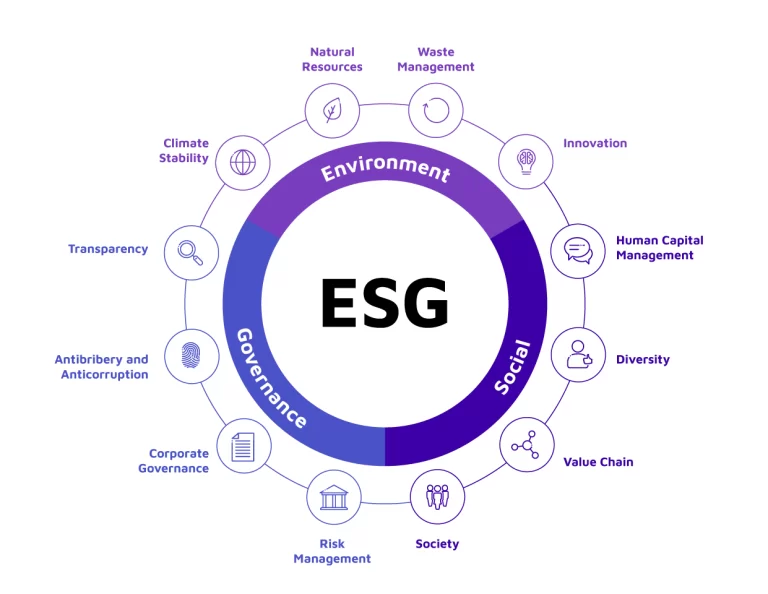
Environmental, Social, and Governance (ESG) frameworks have emerged as critical tools for evaluating corporate sustainability and ethical practices, yet their global application remains fragmented. In Kenya, where sustainable development is vital due to climate vulnerabilities and socio-economic challenges, the absence of a standardized ESG assessment creates inefficiencies. Diverse methodologies across regions lead to inconsistent reporting, making it difficult for Kenyan firms to attract global investors who prioritize ESG compliance. A unified global ESG framework would streamline evaluations, enhance transparency, and align Kenya’s sustainability efforts with international standards.
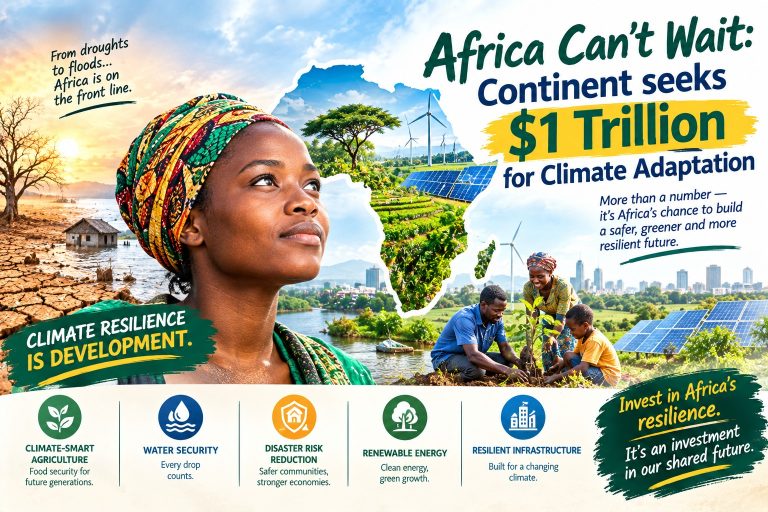
Kenya’s economy heavily relies on agriculture, contributing 22.4% to GDP in 2023, but faces severe climate risks like droughts and floods, as reported by the World Bank. Without a standardized ESG framework, Kenyan businesses struggle to quantify their environmental impact, limiting access to green financing, which globally reached $580 billion in 2022. A unified system would provide clear metrics for emissions, water use, and biodiversity, enabling Kenyan firms to demonstrate resilience and attract investment. This alignment would also support Kenya’s Vision 2030, which emphasizes sustainable growth and climate adaptation.
Social metrics in ESG, such as labor practices and community engagement, vary widely across global frameworks, creating confusion for Kenyan companies operating internationally. For instance, Kenya’s informal sector, employing over 80% of the workforce according to the International Labour Organization, often lacks formal ESG reporting structures. A global standard would harmonize social impact assessments, ensuring Kenyan businesses can showcase their contributions to job creation and community welfare. This clarity would boost Kenya’s appeal to socially conscious investors, fostering inclusive growth.
Governance, the third ESG pillar, is critical in Kenya, where corruption perceptions remain high, with a 2023 Corruption Perceptions Index score of 31/100 by Transparency International. Divergent ESG governance criteria globally complicate compliance for Kenyan firms, particularly in anti-corruption and board diversity metrics. A unified framework would establish consistent governance benchmarks, enabling Kenyan companies to strengthen accountability and compete in global markets. This would also align with Kenya’s legal reforms, such as the 2016 Anti-Bribery Act, enhancing investor trust.
The lack of a global ESG standard creates inefficiencies in data collection and reporting, increasing costs for Kenyan businesses. In 2022, ESG reporting costs for African firms averaged $250,000 annually, per a PwC study, a burden for Kenya’s SMEs, which constitute 90% of businesses. A standardized framework would reduce these costs by streamlining data requirements, allowing Kenyan firms to allocate resources to innovation and growth. This efficiency would also support Kenya’s integration into global value chains, particularly in renewable energy and sustainable agriculture.
In conclusion, a unified global ESG assessment framework is essential for Kenya to navigate the complexities of sustainable development and global investment. By harmonizing environmental, social, and governance metrics, such a system would reduce costs, enhance transparency, and boost competitiveness. For Kenya, this alignment would accelerate progress toward Vision 2030 and climate resilience goals. Ultimately, a global standard would empower Kenyan businesses to thrive in a sustainability-driven world economy.
The writer is a legal researcher and writer
Similar Posts by The Mt Kenya Times:
- Mt Kenya Times ePAPER October 24-25, 2026
- Muturi calls on IEBC to keep election technology tender clean and on schedule
- Ruto meets UAE minister in push to deepen trade ties
- Gideon Moi breaks silence on Ruto fallout, cites broken promises
- The doctor who refused to abandon a sick Uganda
About the Author