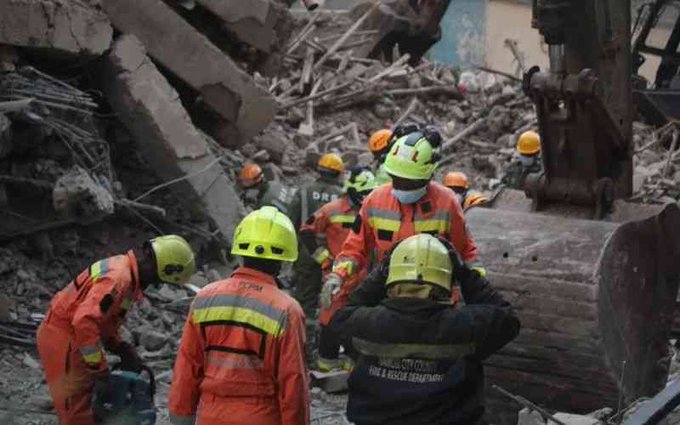
The Shadow Of State Violence: Kenya’s Ongoing Struggle With Police Brutality And Extrajudicial Killings
 The Mt Kenya Times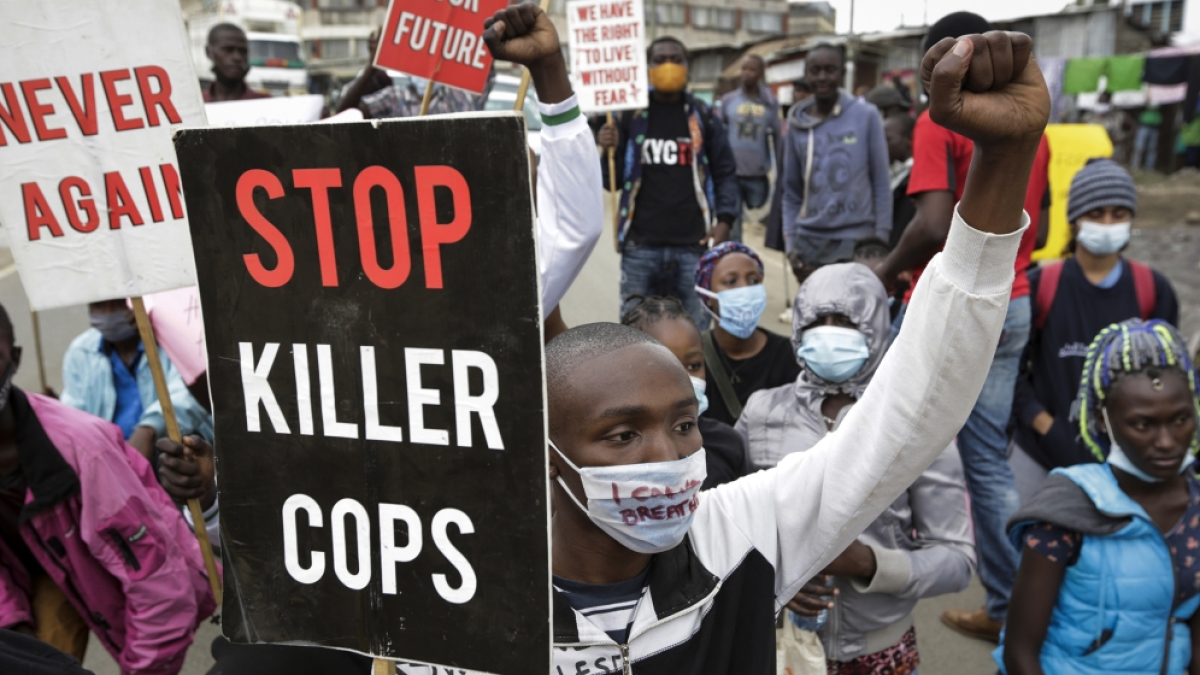
By Jerameel Kevins Owuor Odhiambo
“A climate of impunity prevails… police in Kenya frequently execute individuals, and strong policing is required to counter the threat. A lack of police accountability for killings is a result of the lack of effective internal or external investigation or oversight mechanisms.”
Philip Alston, UN Special Rapporteur on Extrajudicial, Summary or Arbitrary Executions in Kenya
Extrajudicial killings and police brutality remain some of the most persistent and distressing human rights challenges in Kenya. These violations of fundamental human rights have become woven into the fabric of daily life for many Kenyans, particularly those living in informal settlements and marginalized communities where police presence often means fear rather than protection. The roots of this crisis run deep, tracing back to colonial-era policing structures that prioritized control over service. Despite years of constitutional reforms, international scrutiny, and civil society advocacy, the shadow of state violence continues to loom large over Kenyan society. This persistence is especially pronounced during periods of political unrest and public protest, when the state’s response to dissent often escalates to deadly force. The challenge is not merely one of isolated incidents but represents a systemic failure that undermines the very foundations of Kenya’s democratic aspirations.
Recent statistics paint a sobering picture of institutional violence that defies easy solutions. The numbers tell a story of a nation grappling with security forces that have become, in many cases, the very threat they were meant to protect against. In 2022, 130 people lost their lives at the hands of police officers deaths that occurred not in the heat of combat against external enemies, but in the streets, homes, and communities of ordinary Kenyans. This figure represented families torn apart, communities traumatized, and a society forced to confront the uncomfortable reality that those sworn to protect and serve had become agents of terror.
The following year brought a marginal improvement, with police-related killings dropping to 118 in 2023 a 9.2% decrease that human rights organizations cautiously noted as a step in the right direction. However, this statistical improvement masked deeper, more troubling trends that would soon become apparent. The decrease in recorded killings may have reflected not genuine reform but rather a shift in tactics, as security forces adapted their methods to avoid scrutiny while maintaining their culture of impunity.
However, 2024 witnessed a disturbing evolution in state violence that revealed the adaptability of repressive tactics. While police-related killings appeared to decline further to 104 recorded cases, a new and more insidious pattern emerged: enforced disappearances surged dramatically to 55 cases, marking a staggering 450% increase from the previous year. This shift represented more than mere statistical variation; it suggested a calculated adaptation of state violence to avoid the public outcry that accompanies visible killings. When bodies disappear rather than accumulate in morgues, the evidence becomes harder to document, families are left in agonizing uncertainty, and the state can maintain plausible deniability.
The combined tally of extrajudicial killings and disappearances in 2024 reached 159 cases, representing a 24% overall rise in state violence. This increase coincided with significant political upheaval, suggesting that Kenya’s security apparatus responds to democratic expression with intensified repression rather than accommodation. The mathematics of violence reveal a pattern: when public attention focuses on one form of abuse, the machinery of state terror simply shifts to less visible methods.
Geographic and demographic patterns reveal the targeted nature of this violence. Nairobi County consistently emerges as the epicenter of police violence, accounting for a disproportionate share of both killings and disappearances. This concentration in the capital reflects both the density of police operations and the visibility of dissent in urban areas. However, it also highlights how state violence follows lines of political and economic power, intensifying where challenges to authority are most visible and organized.
The demographic profile of victims tells an equally troubling story. In 2024, 91% of those killed and 82% of those who disappeared were men, while 76% of those killed were youth. This pattern reflects not random violence but targeted repression of those demographics most likely to challenge state authority. The inclusion of minors among the victims, children who should be protected rather than persecuted underscores the complete breakdown of moral boundaries in the exercise of state power.
The context of these abuses reveals the deeply political nature of police violence in Kenya. Understanding when and why this violence occurs provides crucial insights into its function within Kenya’s political system. Nearly half of police killings in 2023 occurred during what authorities termed “crime-fighting operations” a euphemism that has become synonymous with summary executions in many communities. These operations, ostensibly aimed at reducing crime, have instead created a climate of terror where suspicion can become a death sentence.
The remaining deaths in 2023 were directly linked to political expression: 45 deaths occurred during opposition demonstrations against rising living costs and controversial legislation. These killings during protests reveal the state’s willingness to use lethal force against citizens exercising their constitutional rights to assembly and expression. The message sent is clear: dissent will be met with violence, and the cost of political participation may be life itself.
The spike in disappearances in 2024 coincided with a new generation of political activism that challenged traditional forms of state control. The protests against the Finance Bill, largely driven by Gen Z and Millennial activists, represented a departure from conventional political opposition. These young Kenyans, connected through digital networks and motivated by economic frustration, posed a different kind of challenge to state authority. Unlike traditional political movements, they operated through decentralized networks, used social media for organization, and resisted co-optation by established political parties.
 The state’s response to this new form of activism revealed both its adaptability and its fundamental reliance on violence. Rather than engaging with legitimate grievances about taxation and economic policy, security forces responded with intensified repression. The months of June and July 2024 were particularly deadly, with the highest numbers of killings and disappearances recorded during these periods. This timing was not coincidental; it reflected a deliberate strategy to crush emerging political movements before they could solidify into lasting challenges to state power.
The evolution from visible killings to enforced disappearances during this period suggests a learning process within security institutions. Having faced international criticism for the visible violence of previous years, they adapted their tactics to achieve the same objectives, silencing dissent and terrorizing communities, while reducing the evidentiary trail that could attract accountability mechanisms
Despite the establishment of oversight bodies like the Independent Policing Oversight Authority (IPOA) and constitutional reforms since 2010, accountability remains elusive. The creation of these institutions represented genuine attempts to address police brutality and restore public trust in security forces. IPOA was established with a mandate to investigate police misconduct, ensure accountability, and promote professional standards within the police service. Constitutional reforms included robust human rights protections and mechanisms for civilian oversight of security forces.
However, the persistence of extrajudicial killings and the recent surge in enforced disappearances demonstrate that institutional reform alone is insufficient to address systemic violence. The gap between policy and practice has proven remarkably resilient, suggesting that the problem runs deeper than inadequate legal frameworks or oversight mechanisms. The issue lies not in the absence of rules but in the presence of a culture that actively resists accountability.
Conviction and dismissal rates for police misconduct remain dismally low, hampered by a web of institutional failures that protect perpetrators while abandoning victims. The investigation process itself often becomes a tool of impunity rather than accountability. Defective prosecutions, whether due to incompetence or deliberate sabotage, ensure that even the most egregious cases fail to result in convictions. Poor investigations, often conducted by the same institution accused of misconduct, create a system of self-policing that predictably protects the accused rather than seeking truth.
Witness intimidation represents perhaps the most insidious aspect of this failure. Families and community members who might provide crucial testimony face threats, harassment, and sometimes violence themselves. This creates a climate where speaking out against police violence becomes another form of victimization, ensuring that the circle of silence around state violence remains unbroken. The protracted nature of court processes further discourages victims and witnesses, as cases drag on for years while perpetrators remain free and often active in their positions. Public complaints mechanisms exist on paper but function poorly in practice, undermined by fear, lack of awareness, and deep-rooted mistrust in the system. Citizens who have experienced police violence or witnessed it often have no realistic avenue for redress. The complaints process itself can become a source of further victimization, as those who report misconduct may face retaliation from the very officers they have accused. This creates a vicious cycle where impunity feeds on itself, as the absence of accountability emboldens further violence.
The underutilization of existing mechanisms reflects not just procedural failures but a broader crisis of legitimacy. When citizens believe that the system designed to protect them is fundamentally hostile to their interests, they withdraw from participation in formal accountability processes. This withdrawal, while rational from an individual perspective, contributes to the overall breakdown of democratic governance and the rule of law.
Insights emerge when examining the intersection of police brutality with Kenya’s evolving social fabric and the emergence of new forms of civic engagement. The 2024 protests represented more than just another cycle of political unrest they signaled a fundamental shift in how Kenyans, particularly young Kenyans, understand their relationship with the state and their role in democratic governance. This generation, born into Kenya’s democratic era, has different expectations and employs different tactics than their predecessors.
The protests were largely driven by digitally mobilized youth who used social media platforms to organize, coordinate, and document their activities. This digital dimension created new challenges for state control, as traditional methods of suppressing dissent, controlling media, limiting assembly, and co-opting leaders proved less effective against decentralized, networked movements. The use of hashtags, live streaming, and viral content created a form of resistance that could spread faster than security forces could contain it.
However, the state’s response revealed both adaptation and escalation in repressive tactics. Rather than retreating from violence in the face of international scrutiny and domestic pressure, security forces developed new methods of control. The surge in enforced disappearances represents this adaptation a shift from visible violence to invisible terror that achieves the same objectives while reducing public outcry. This evolution suggests that Kenya’s security apparatus has learned from its mistakes, not by embracing accountability but by becoming more sophisticated in its methods of repression.
 The targeting of young, urban men in these disappearances reveals a demographic vulnerability that reflects broader social and economic tensions. These are individuals who, having grown up with democratic expectations, find themselves facing authoritarian realities. Their disappearances serve not just to silence individual voices but to send a message to an entire generation: the costs of challenging state authority have escalated beyond what previous generations faced.
This generational conflict represents a critical juncture in Kenya’s democratic development. The outcome will determine whether the country moves toward greater accountability and democratic governance or slides toward more sophisticated forms of authoritarianism. The young activists who have challenged state authority through digital platforms and peaceful protest represent the promise of democratic renewal, while the state’s violent response represents the persistence of authoritarian reflexes.
Community-based policing offers a promising, yet underutilized, avenue for reform that could fundamentally transform the relationship between security forces and the communities they serve. This approach, which emphasizes collaboration between police, civil society, and local communities, represents a departure from the confrontational model that has dominated Kenyan policing. Rather than seeing communities as potential threats to be controlled, community policing recognizes them as partners in maintaining security and building social cohesion.
The theoretical framework of community policing aligns well with Kenya’s traditional dispute resolution mechanisms and communal approaches to maintaining order. Many Kenyan communities have long-standing traditions of collective responsibility for security and conflict resolution that predate formal policing structures. Community policing represents an opportunity to bridge these traditional approaches with modern law enforcement, creating a hybrid model that is both culturally appropriate and professionally effective.
Where implemented effectively, community policing has shown genuine potential in reducing crime and building trust between police and communities. Pilot programs in various parts of Kenya have demonstrated that when police officers work closely with community members, understanding local concerns and responding to community-identified priorities, both crime rates and police-community tensions can decrease significantly. These successes suggest that the problem is not inherent to policing itself but rather to the specific model of policing that has been adopted.
However, the broader impact of community policing remains limited by several structural constraints. Persistent institutional resistance within police forces reflects deeply entrenched cultures that prioritize hierarchy, control, and force over collaboration and service. Many officers, trained in confrontational approaches and rewarded for aggressive tactics, struggle to adapt to models that require patience, communication, and genuine partnership with communities.
Inadequate resources further constrain the potential of community policing initiatives. Effective community policing requires sustained investment in training, infrastructure, and personnel. Officers need to be retrained in communication skills, conflict resolution, and community engagement techniques. Communities need resources to participate meaningfully in policing partnerships. Without these investments, community policing remains a superficial overlay on unchanged institutional practices.
The overshadowing influence of national security priorities also limits community policing’s effectiveness. When security policy is driven by concerns about terrorism, political opposition, or other perceived threats to state authority, community policing becomes subordinated to these priorities. Officers trained in community engagement find themselves deployed in operations that contradict everything they have learned about building trust and working collaboratively with communities.
The media and civil society play a critical watchdog role in documenting and exposing police abuses, but face significant risks that have intensified as their effectiveness has grown. Independent journalists, human rights organizations, and citizen activists have become essential sources of information about police violence, often providing the only reliable documentation of abuses that authorities would prefer to keep hidden. Their work serves multiple functions: bearing witness to injustice, preserving evidence for potential accountability processes, and maintaining public awareness of ongoing violations.
The digital revolution has democratized documentation, as ordinary citizens can now record and share evidence of police violence through smartphones and social media platforms. This technological shift has made it much more difficult for authorities to deny or cover up abuses, as multiple perspectives on violent incidents can be captured and disseminated instantly. The viral nature of social media means that local incidents can quickly gain national and international attention, creating pressure for accountability.
However, this increased visibility has made journalists and activists themselves targets of state violence. The assassination of human rights defenders who testified before UN investigators represents the most extreme form of this targeting, but it reflects a broader pattern of intimidation and violence against those who dare to challenge official narratives. Journalists covering police violence face harassment, threats, and sometimes violence themselves, creating a climate where bearing witness becomes an act of courage rather than a routine professional duty.
The targeting of media and civil society serves multiple purposes for those seeking to maintain impunity. It eliminates sources of accountability, intimidates others who might consider speaking out, and creates a climate of fear that extends beyond direct victims to encompass entire communities. When documenting state violence becomes dangerous, the space for democratic discourse shrinks, and the possibility of reform becomes more remote.
This climate of fear has profound implications for democratic governance and the rule of law. A free press and active civil society are essential components of democratic accountability, serving as intermediaries between citizens and state power. When these institutions are suppressed or intimidated, the feedback mechanisms that allow democracies to self-correct are severed. Citizens lose their voices, victims lose their advocates, and the state loses its connection to the people it is meant to serve.
The courage of journalists and activists who continue their work despite these risks represents one of the most hopeful aspects of Kenya’s struggle with police violence. Their persistence in documenting abuses, supporting victims, and advocating for reform demonstrates the resilience of democratic values even in the face of authoritarian pressure. However, their individual courage cannot substitute for systemic change—they need protection, support, and an enabling environment that allows them to perform their essential functions safely.
Solutions to Kenya’s police violence crisis must be multi-layered and systemic, addressing both immediate symptoms and underlying causes of institutional dysfunction. The persistence of extrajudicial killings and enforced disappearances despite years of reform efforts demonstrates that piecemeal approaches are insufficient. Instead, comprehensive change requires simultaneous action across multiple dimensions: legal, institutional, cultural, and social.
Legal reforms remain necessary but insufficient without mechanisms to ensure their implementation. Kenya’s constitution and legal framework already provide strong protections for human rights and clear prohibitions against extrajudicial killings. However, these protections are meaningless without enforcement mechanisms that can overcome the culture of impunity that pervades security institutions. This requires not just new laws but new approaches to ensuring compliance with existing legal standards.
Strengthening public complaints systems represents a crucial first step, but must be accompanied by broader reforms that address the structural factors that discourage reporting and enable retaliation. Digital platforms can enhance confidentiality and accessibility for victims seeking redress, allowing them to report abuses without exposing themselves to immediate retaliation. However, technological solutions alone cannot address the deeper issues of fear and mistrust that prevent many victims from seeking justice.
Protecting whistleblowers and witnesses requires comprehensive approaches that address both physical security and economic vulnerability. Many potential witnesses to police violence are economically marginal individuals who cannot afford to lose employment or face harassment. Witness protection programs must therefore include economic support, relocation assistance, and long-term security arrangements that recognize the persistent nature of threats faced by those who challenge state violence.
Swift, independent investigations into all allegations of police violence are essential, but must be conducted by institutions with genuine independence and adequate resources. The current system, which often involves police investigating police, creates inevitable conflicts of interest that undermine credibility and effectiveness. Independent investigation units with sufficient funding, legal authority, and political protection are necessary to break the cycle of impunity that currently protects perpetrators.
However, even the most robust accountability mechanisms will fail without genuine political will from the highest levels of government. Political leaders must demonstrate through word and deed that police violence is unacceptable and that accountability will be enforced regardless of political considerations. This requires not just public statements but concrete actions: prosecuting perpetrators, reforming institutional practices, and creating incentives for professional behavior within security forces.
Long-term change requires both top-down and bottom-up strategies that address the multiple levels at which police violence is sustained and reproduced. From the top, genuine commitment from political leaders is vital to instill a culture of accountability within security institutions. This commitment must be demonstrated through budget allocations, personnel decisions, and policy choices that prioritize human rights protection over political control.
Leadership change must extend beyond individual appointments to encompass systemic transformation of how security institutions operate. This includes changing recruitment practices to attract individuals committed to public service rather than domination, reforming training programs to emphasize human rights and community service, and creating career advancement pathways that reward professional behavior rather than political loyalty.
From the bottom, empowering local communities to demand transparency, participate in oversight, and rebuild social cohesion is equally important. Communities that have experienced police violence often develop defensive mechanisms that isolate them from formal institutions, including legitimate oversight bodies. Rebuilding trust requires patient, sustained engagement that acknowledges past trauma while creating new possibilities for constructive interaction.
Community empowerment must include both formal and informal mechanisms for participation in governance. Formal mechanisms include representation on oversight bodies, participation in police recruitment and training, and regular consultations on security priorities. Informal mechanisms include community dialogue processes, traditional dispute resolution mechanisms, and grassroots organizing that builds collective capacity to demand accountability.
The intersection of top-down and bottom-up strategies creates the possibility for sustainable change that addresses both immediate violations and underlying causes. When political leaders demonstrate genuine commitment to reform while communities develop the capacity to hold them accountable, the conditions for transformation become more favorable. However, this intersection requires careful nurturing, as powerful interests benefit from the current system and will resist change.
Ultimately, the fight against extrajudicial killings and police brutality in Kenya is a test of the nation’s commitment to human rights, democracy, and the rule of law. This test extends beyond the specific issue of police violence to encompass broader questions about the kind of society Kenya aspires to become. Will it be a society where state power is exercised with restraint and accountability, or one where violence remains the ultimate arbiter of political disputes?
The statistics from 2022 to 2024 reveal both the scale of the challenge and the urgent need for innovative, inclusive, and sustained action. The numbers themselves, 130 killings in 2022, 118 in 2023, 159 combined killings and disappearances in 2024 represent not just data points but human lives cut short, families destroyed, and communities traumatized. Each number represents a failure of the state to protect its citizens and a violation of the social contract that underpins democratic governance.
The recent surge in enforced disappearances represents a particularly troubling development that demands immediate and comprehensive response. This shift from visible violence to invisible terror suggests that Kenya’s security apparatus is adapting its methods rather than abandoning its reliance on violence. The sophistication of this adaptation; using disappearances to achieve the same objectives as killings while reducing public outcry demonstrates that cosmetic reforms will be insufficient to address the underlying problems.
The demographic targeting of young men and the geographic concentration of violence in urban areas reflect broader social and political tensions that extend beyond policing. These patterns suggest that police violence serves specific functions within Kenya’s political system: suppressing dissent, maintaining existing power structures, and terrorizing communities that might challenge state authority. Addressing police violence therefore requires addressing these broader political and social issues.
However, the emergence of new forms of civic engagement, particularly among young Kenyans, also provides reason for hope. The digital activism that characterized the 2024 protests demonstrated both the creativity and the persistence of democratic aspirations in Kenya. Despite facing unprecedented levels of repression, these movements have continued to organize, document abuses, and demand accountability. Their resilience suggests that the democratic values embedded in Kenya’s constitution retain genuine popular support.
The international dimension of this struggle cannot be ignored. Kenya’s reputation as a regional leader and its relationships with international partners depend partly on its ability to address human rights violations. The documentation provided by UN Special Rapporteurs and international human rights organizations creates external pressure for reform while providing crucial support for domestic advocacy efforts.Only by bridging the gap between policy and practice can Kenya hope to break the cycle of violence and impunity that has haunted its post-independence history.** This bridging requires sustained commitment from multiple actors: political leaders who prioritize human rights over political control, security forces that embrace professional standards over personal loyalty, civil society organizations that maintain pressure for accountability, and citizens who demand better from their government.
The path forward is neither simple nor guaranteed. Entrenched interests will resist change, and the temptation to resort to violence in the face of political challenges will persist. However, the alternative continued cycles of violence, impunity, and social breakdown is far worse. Kenya’s choice is not between perfect solutions and imperfect ones, but between sustained effort toward accountability and continued descent into authoritarianism.
The test is not whether Kenya can immediately eliminate all forms of police violence, no society has achieved that goal. The test is whether it can create systems and cultures that consistently move toward greater accountability, that treat each violation as unacceptable rather than inevitable, and that demonstrate genuine commitment to the principle that all citizens deserve protection from state violence. Meeting this test requires not just good intentions but sustained action, not just legal reforms but cultural transformation, not just top-down directives but bottom-up mobilization.
The stakes could not be higher. Success in this struggle would demonstrate that African democracies can overcome colonial legacies of violent governance and create institutions that truly serve their people. Failure would confirm the suspicions of those who argue that democracy is incompatible with African realities and that authoritarian governance is inevitable. Kenya’s struggle with police violence is therefore not just a domestic issue but a test case for democratic governance across the continent.
The young activists who have challenged state violence through digital platforms and peaceful protest represent the future of Kenyan democracy. Their courage in facing down state repression, their creativity in developing new forms of civic engagement, and their persistence in demanding accountability provide hope that change is possible. However, their efforts alone cannot transform the system, they need support from established institutions, protection from international partners, and recognition from political leaders that their demands are legitimate and necessary.
The choice before Kenya is clear: continue down the path of violence and impunity, or take the difficult but necessary steps toward accountability and democratic governance. The statistics of the past three years demonstrate that the current trajectory is unsustainable. The question is whether Kenya’s leaders and citizens have the courage and commitment necessary to chart a different course. The answer to that question will determine not just the fate of current victims of police violence but the future of democracy in Kenya and beyond.
The writer is a legal researcher and lawyer
Similar Posts by The Mt Kenya Times:
- Mt Kenya Times ePAPER October 24-25, 2026
- Muturi calls on IEBC to keep election technology tender clean and on schedule
- Ruto meets UAE minister in push to deepen trade ties
- Gideon Moi breaks silence on Ruto fallout, cites broken promises
- The doctor who refused to abandon a sick Uganda
About the Author