The Transformative Power Of Public Participation In Kenya’s Governance
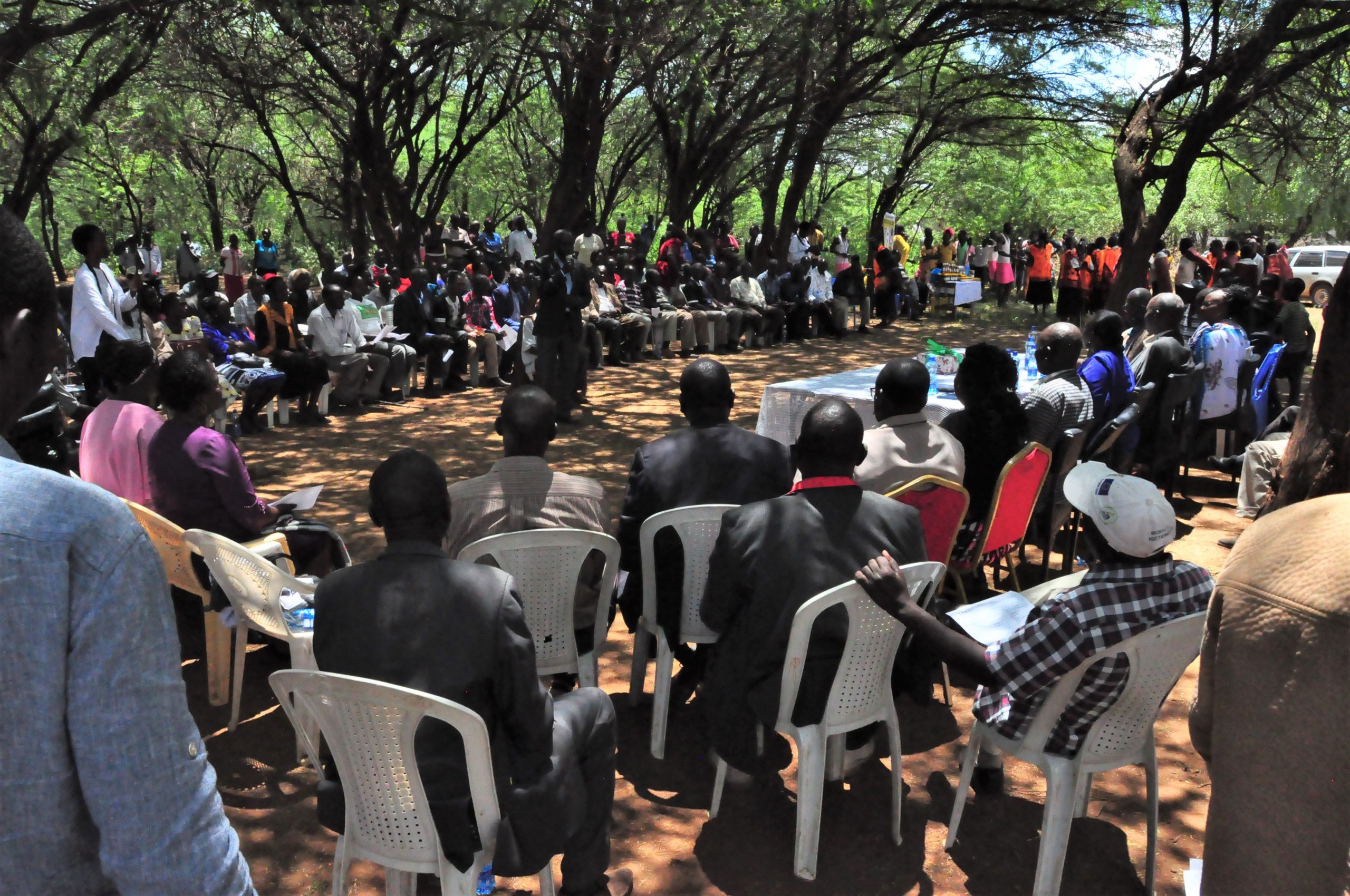
Public Participation In Kenya's Governance

By: James Kilonzo Bwire
Public participation has emerged as a cornerstone of good governance in Kenya, with the potential to transform the relationship between the government and its citizens. By actively involving the public in decision-making processes, the government can enhance the legitimacy of its actions, improve the quality of its decisions, and foster a more inclusive and democratic society.
One of the key benefits of public participation is its ability to enhance the legitimacy of government policies and actions. When citizens are engaged in the decision-making process, they feel a sense of ownership and investment in the outcomes. This fosters transparency and accountability, as the government is held accountable to the people it serves. As a result, citizens are more likely to trust and support the government’s initiatives, leading to more effective implementation of government agendas.
Moreover, public participation leads to better-informed decisions that reflect the diverse needs and interests of the community. By incorporating a wide range of perspectives, the government can identify and address the unique challenges faced by different segments of society. This is particularly important for marginalized groups, who often lack a voice in traditional decision-making processes. By ensuring that their concerns are heard and addressed, public participation promotes equity in resource allocation and service delivery.
Furthermore, active citizen involvement is fundamental to the strengthening of democracy in Kenya. When citizens actively participate in public affairs, they become empowered to hold their leaders accountable and to shape the policies that affect their lives. This empowerment fosters a sense of civic engagement and pride, as citizens recognize their role in shaping the future of their communities and the nation as a whole.
Finally, public participation can contribute to the achievement of sustainable development goals. By incorporating the input and expertise of citizens, the government can prioritize projects and initiatives that align with the needs and aspirations of local communities. This ensures that development efforts are responsive to the unique challenges and opportunities present in different regions of the country, leading to more sustainable and impactful outcomes.
In conclusion, public participation is a powerful tool for transforming the relationship between the government and its citizens in Kenya. By enhancing legitimacy, improving decision-making, promoting inclusivity, strengthening democracy, and facilitating sustainable development, public participation has the potential to usher in a new era of good governance and citizen empowerment. As the government continues to implement its agendas, it must prioritize the active engagement of citizens at all levels of decision-making, ensuring that the voice of the people remains at the heart of the nation-building process.
James Kilonzo Bwire is a Media and communication student at Masinde Muliro University of Science and Technology kakamega.
Similar Posts by The Mt Kenya Times:
- Diaspora Times Global Oct 24 – Oct 30, 2026
- America’s baby bust: U.S. birth rate hits record low as women choose later motherhood
- Literary Outreach Incubation Program Instills The Culture From Book Adaption To Spoken Words
- Why starting school too early is failing our children
- Who defines Africa’s destiny? The western lens, African compliance and the struggle for intellectual sovereignty
About the Author