
There Is Urgent Need For Marginalized Women To Access Climate Finance To Promote Climate Justice

By: Ahairiirwe Mary Blessing
Worth Noting:
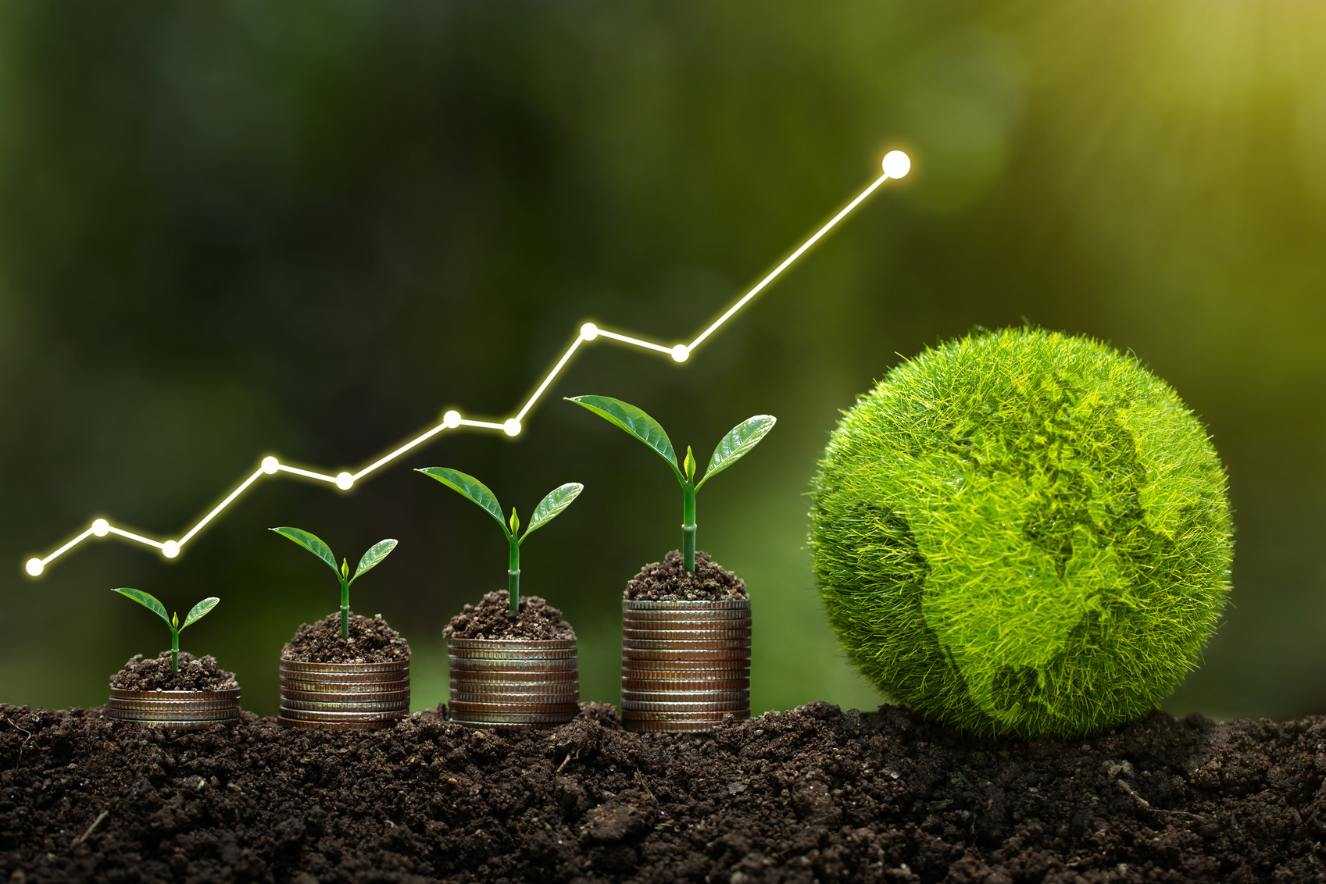
- Climate finance involves setting apart or allocating resources in terms of grants not loans to mitigate or take care of any climate disasters that may occur such as floods and droughts. It’s mainly aimed at addressing the impacts and outcomes of climate change.
- According to UN September report on State of the Climate in Africa, it highlights that African countries are losing 2-5 percent of Gross Domestic Product (GDP) and diverting up to 9 percent of their budgets responding to climate extremes. This clearly depicts how the entire economy in our countries thrives on climate resilience and thus ignoring the financing of climate back bites other sectors in the long run.
The climate crisis is not a gender neutral, it affects women and marginalized communities more acutely, particularly in terms of economic, health and social impacts. In recent years, there has been growing recognition of the importance of integrating a feminist approach in climate action, acknowledging the disproportionate burden borne by women and ensuring that their wellbeing is priotised.
We need to recognize that when crisis come, marginalized women are the one at stake because there are referred as care takers of the family and natural resources. Women continue to face injustices because there are unable to access finances to champion the fight for climate justice.
While so many promises have been made for Global south countries to access to climate finance in Paris Agreement, developing countries still grapple facing climate injustices.
Climate finance involves setting apart or allocating resources in terms of grants not loans to mitigate or take care of any climate disasters that may occur such as floods and droughts. It’s mainly aimed at addressing the impacts and outcomes of climate change.
Why is there a need for Climate Finance?
According to UN September report on State of the Climate in Africa, it highlights that African countries are losing 2-5 percent of Gross Domestic Product (GDP) and diverting up to 9 percent of their budgets responding to climate extremes. This clearly depicts how the entire economy in our countries thrives on climate resilience and thus ignoring the financing of climate back bites other sectors in the long run.
Lack of climate finance to women limits their ability to adopt climate resilient practices such as making reusable sanitary towels, recyclable bags among others. On the other hand, equipping these women with knowledge through organized workshops and trainings puts them at a better position of coping with climate change and ensuring greener and sustainable environments.
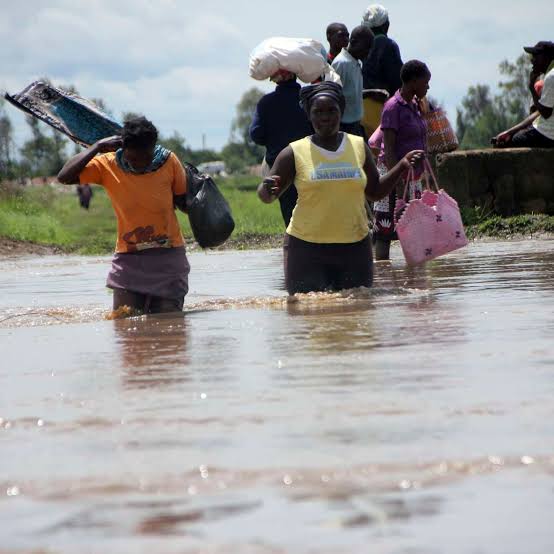
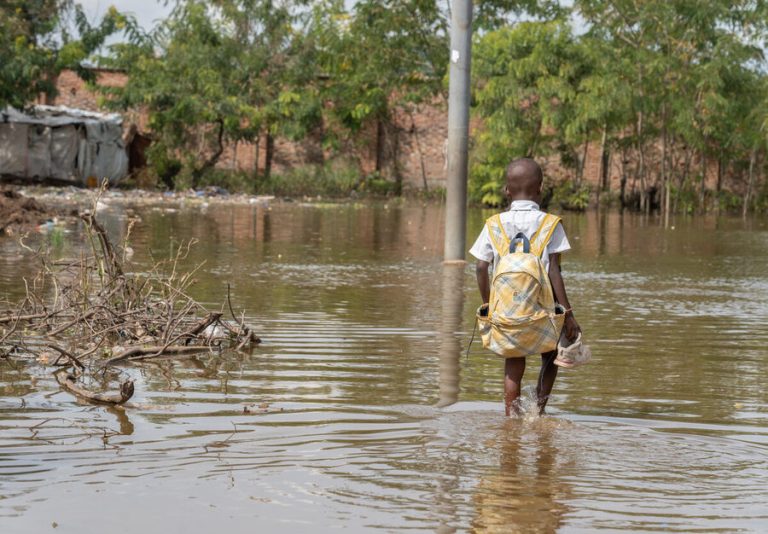
Excluding climate actions from government budgeting processes affects the compliance and immediate attention to climate changes that are always unexpected such as the floods and landslides in the districts of Bundibugyo, Bududa and Sironko in Uganda where at least 38 people lost their lives in 2019, the 2020 desert locusts in the Acholi, Elgon, Karamoja, Lango and Teso sub regions that affected the agricultural lands that most of these people depended on for survival and posed a challenge of food insecurity. This is derived at showing us how neglecting of climate financing during budgeting and allocation of funds can affect the economy in other completely different sectors since there’s a supplementary budget drafted to address them and thus hindering the formerly allocated resources of another sector.
Some of these different institutions, NGOs and CBOs advocating for climate justice receive climate finance that is mostly in form of loans instead of grants implying there are higher interest rates attached to them and this limits their practical advocacy in organizing workshops and trainings of hands on skills to different communities and other climate resilient projects.
Due to debt crisis and challenges in most developing countries, exploitation of fossil fuels such as crude oil, natural gas, coal and its products acts as a solution to clear some of these outstanding debts from International Monetary Fund (IMF) and World Bank and this subjects the environment to global warming pollution resulting into climate change.
What should be done?
There’s need to include climate financing in the government budgeting processes. This will enable immediate response to different climate changes and support climate actions that eradicate negative impacts of climate change on communities.
Alternative solutions to debt financing should be adopted so as to minimize the pressure on debts from IMF and World Bank that pushes these developing countries into exploiting fossil fuels.
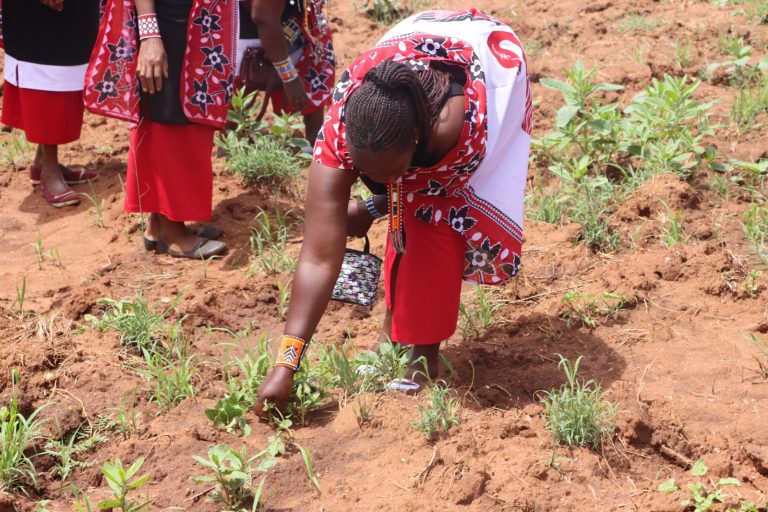
Furthermore, Global North countries and big polluters should be responsible to pay up for the Losses and damages they cause in our communities. Climate finance should also be accessible at grassroots by empowering women to start up ecofriendly businesses that can be source of income for their families and for protecting the enviroment.
Climate finance can as well solicited and lobbied from International funding mechanisms in form of different such as Renewable energy grants aiming at reducing over depending on fossil fuels
or Climate Adaptation grants targeting climate actions and ensuring sustainability and so many other related grants.
In summary, climate financing in any possible form is very crucial since climate actions determine much more of any economy’s survival.
For God and my
Ahairiirwe Mary Blessing
Volunteer
Women for Green Economy Movement Uganda.
Similar Posts by The Mt Kenya Times:
- Mt Kenya Times ePAPER September 17, 2026
- Ruto and Uhuru: The rupture at the heart of Kenya’s 2027 election
- Gakoromone traders and rights group demand closure of sewage discharge
- Retirement is not disenfranchisement: Reclaiming the constitutional rights of Kenya’s former presidents
- Kenya’s 2027 election: Can technology strengthen democracy or manipulate voters?
About the Author

 Brenda Holo