Trapped by rising waters: Baringo’s flood victims plead for hope
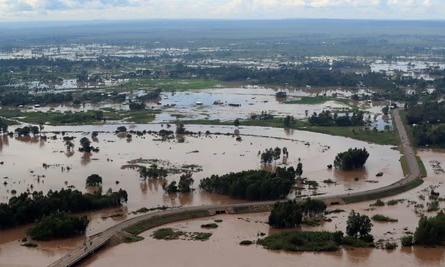
Behind every flooded village is a family longing for safety — and a nation that must not look away.
By Hadassah Karangu
The floodwaters arrived swiftly, but for many families in Baringo, the suffering they left behind may linger for months, perhaps years.
Across villages once filled with laughter and the hum of daily life, residents now wade through muddy waters, picking their way past damaged homes and deeply uncertain futures. What should have been a season of growth and harvest has instead become a season of loss, displacement and heartbreak.
For countless families, the floods have washed away far more than houses and crops. They have swept away livelihoods, interrupted children’s education and shattered the sense of security that every family deserves. Mothers struggle to find food for their little ones. Fathers watch helplessly as years of hard work disappear beneath the waterline. Children spend their nights frightened in overcrowded shelters, far from the familiar comfort of home.
The destruction is visible everywhere you look. Roads have become impassable, cutting communities off from markets, schools and health facilities. Farmlands that once promised a good harvest now resemble vast, still lakes. Livestock — the backbone of many households’ income — have been lost to the raging waters, leaving families wondering how, and whether, they will ever recover.
Perhaps the most painful sight is that of children whose schooling has been disrupted. Some schools have been damaged; others have been turned into temporary shelters for displaced families. Books have been destroyed, uniforms lost, classrooms emptied as young learners are forced to confront a disaster entirely beyond their control.
Health risks are growing, too. As clean water becomes scarce, contaminated sources expose families to dangerous waterborne diseases, while stagnant floodwaters create breeding grounds for mosquitoes. In communities already stretched thin on resources, every new challenge drives the crisis deeper.
And yet, amid all this devastation, the spirit of Baringo’s people has not broken. Neighbours are helping neighbours. Community members are sharing whatever little food they have. Volunteers push on in support of vulnerable families even while facing hardships of their own. Their resilience speaks not only of suffering, but of a quiet, stubborn courage that commands respect.
But resilience alone cannot rebuild homes, restore livelihoods or shield communities from future disasters. The people of Baringo need urgent humanitarian assistance, improved infrastructure, better flood management systems and long-term investments that will strengthen their capacity to weather recurring climate shocks.
As Kenya marks milestones in development and progress, the voices from flood-stricken Baringo must not be drowned out by the rushing waters. Behind every flooded village is a family longing for safety. Behind every damaged home is a dream waiting to be rebuilt.
The waters may eventually recede. But the responsibility to stand with the people of Baringo should not. Their struggle is not just Baringo’s story. It is Kenya’s story — and it demands Kenya’s full attention.
Similar Posts by The Mt Kenya Times:
- Mt Kenya Times ePAPER October 1, 2026
- Museveni backs Lamu but keeps Uganda’s money at home
- Sifuna’s party wins its name — and Kenya’s opposition race begins in earnest
- Lamu’s $16B gamble: Africa’s biggest refinery divides the region
- Ruto launches KSh2.2 trillion Lamu refinery in East Africa’s biggest energy bet
About the Author