Unity In Diversity: A Call For Luhya Leadership To Rise Together
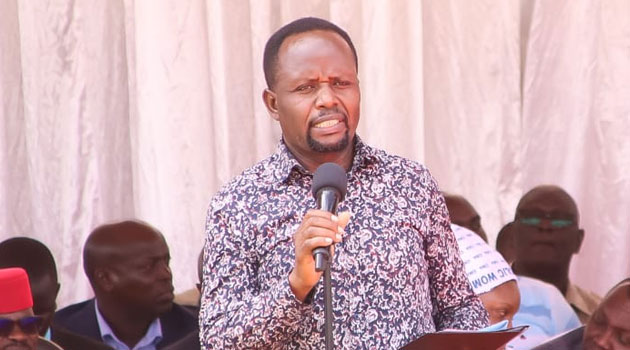
Governor George Natembeya

By: James Kilonzo Bwire
Governor George Natembeya’s statements regarding the political dynamics in Western Kenya signal a pivotal moment for the Luhya community. By declaring that Prime Cabinet Secretary Musalia Mudavadi and National Assembly Speaker Moses Wetangula are no longer central to the succession matrix, Natembeya has ignited a conversation about unity among Luhya leaders. This call is not just timely; it is essential for the region’s political future.
Historically, Western Kenya has been fragmented in its political representation. Despite being the second-largest ethnic group in Kenya, the Luhya community has struggled to translate its numerical strength into political power at the national level. The region is home to over 2.6 million registered voters, yet its leaders have often found themselves sidelined during critical national discussions. This fragmentation has led to missed opportunities for leadership roles, including the presidency.
Natembeya’s assertion highlights a crucial point: unity among Luhya leaders is paramount. Recent attempts by younger politicians to forge a united front have faced significant challenges, as evidenced by poorly attended meetings and the absence of key figures like Mudavadi and Wetangula. Analysts suggest that without the backing of these established leaders, any unity initiative is likely to falter. The discontent among some politicians regarding their exclusion from government decisions further complicates this landscape.
Natembeya has positioned himself as a bridge between the old guard and emerging leaders, advocating for a new political direction that prioritizes collaboration over rivalry. His criticism of current leadership for failing to lobby effectively for the region underscores a growing frustration with the status quo. As he aptly pointed out, “We are number two in population yet we have never come close to the presidency.” This sentiment resonates deeply within a community that feels overlooked and underrepresented.
The socio-economic challenges facing Western Kenya cannot be ignored. Poverty levels in the region are alarming, and economic development has stagnated due to political disunity. Elders from the region have echoed Natembeya’s sentiments, urging leaders to set aside their differences in favor of collective progress. Mudavadi’s calls for unity emphasize that political cohesion is not merely about power but also about fostering economic growth and improving living standards for constituents.
Natembeya’s “Tawe” movement—meaning “no” in Luhya—serves as a rallying cry against established political leadership that has historically failed to address the community’s needs. He argues for rejecting poor governance practices such as nepotism and tribalism that have perpetuated cycles of poverty and neglect within the region. His campaign aims to empower citizens to demand accountability from their leaders and to prioritize local interests over external influences.
As various factions within the Luhya community vie for control, Natembeya’s push for unity emphasizes that collaboration is essential for achieving meaningful political representation. He argues that without consolidating their votes and presenting a unified front, Luhyas risk remaining marginalized in national politics. The upcoming 2027 elections present an opportunity for Western Kenya to reclaim its voice by supporting a single candidate who can effectively represent their interests.
For Western Kenya to reclaim its rightful place in national politics, it must adopt a unified approach. This involves collaborative leadership where established politicians mentor younger leaders rather than competing against them. Engagement with grassroots communities will strengthen claims for leadership roles, ensuring that elected officials remain accountable to their constituents.
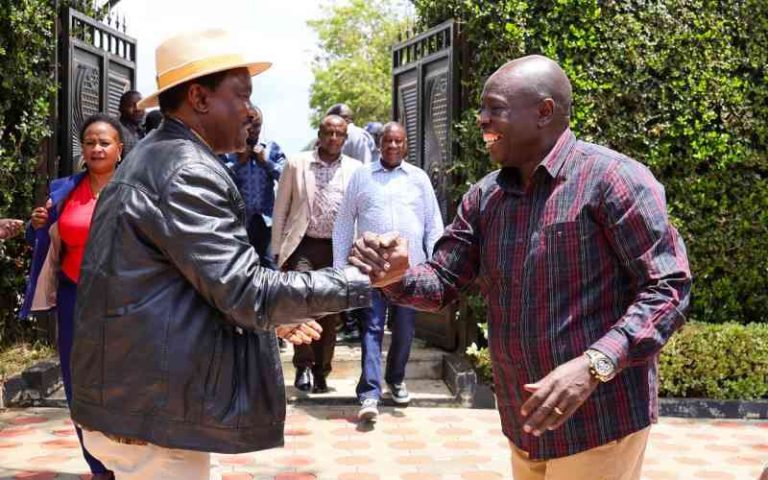
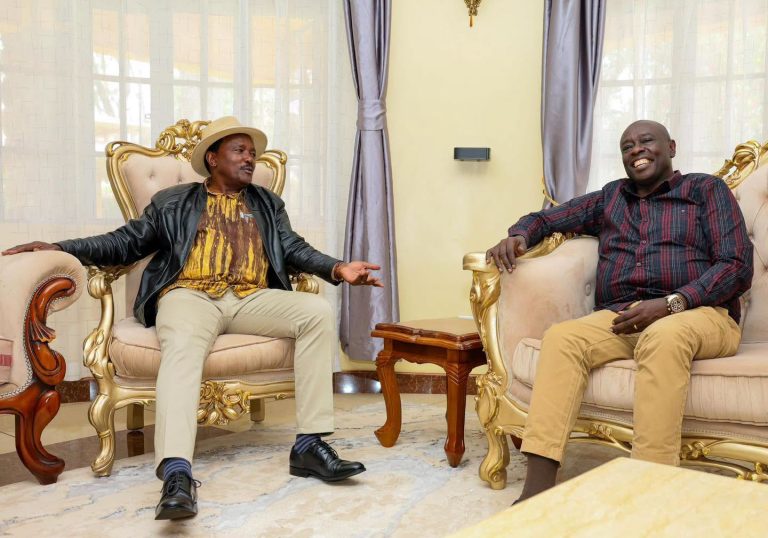
The recent efforts by various Luhya leaders signal a growing recognition of this need for unity. Speaker Wetangula has orchestrated coalitions encompassing MPs, governors, and senators from different parties, signaling a pivotal moment in regional politics. At meetings across the region, leaders have emphasized that historical divisions must be set aside if they are to present a united front against other communities in future elections.
However, underlying tensions persist, as illustrated by discord between Natembeya and Wetangula regarding leadership direction and strategy. Critics argue that infighting could jeopardize any progress made toward unity, emphasizing that collaboration must be prioritized over personal ambitions if they hope to influence national politics effectively.
In conclusion, Governor Natembeya’s call for unity among Luhya leaders is not just a political maneuver; it is a necessary step toward ensuring that Western Kenya plays a significant role in shaping the nation’s future. By fostering collaboration and addressing internal divisions, the Luhya community can transform its political landscape and work towards achieving representation that reflects its demographic strength. The time for action is now; unity will be the cornerstone of their success in future presidential elections and beyond.
James Kilonzo Bwire is a Media and Communication Practitioner.
Similar Posts by The Mt Kenya Times:
- Mt Kenya Times ePAPER October 27, 2026
- Sifuna draws hope from Serbia and Brazil as Kenya’s 2027 race heats up
- Uhuru calls for unity as he marks 65th birthday
- Kenya establishes international crimes division: Justice delayed, but will it be delivered?
- World marathon champion Jepchirchir suspended in fresh blow to Kenya’s clean sport drive
About the Author