Unpacking Kenya’s Fiscal Woes: Insights From The Debt And Anti-Corruption Citizen Assembly
 The Mt Kenya Times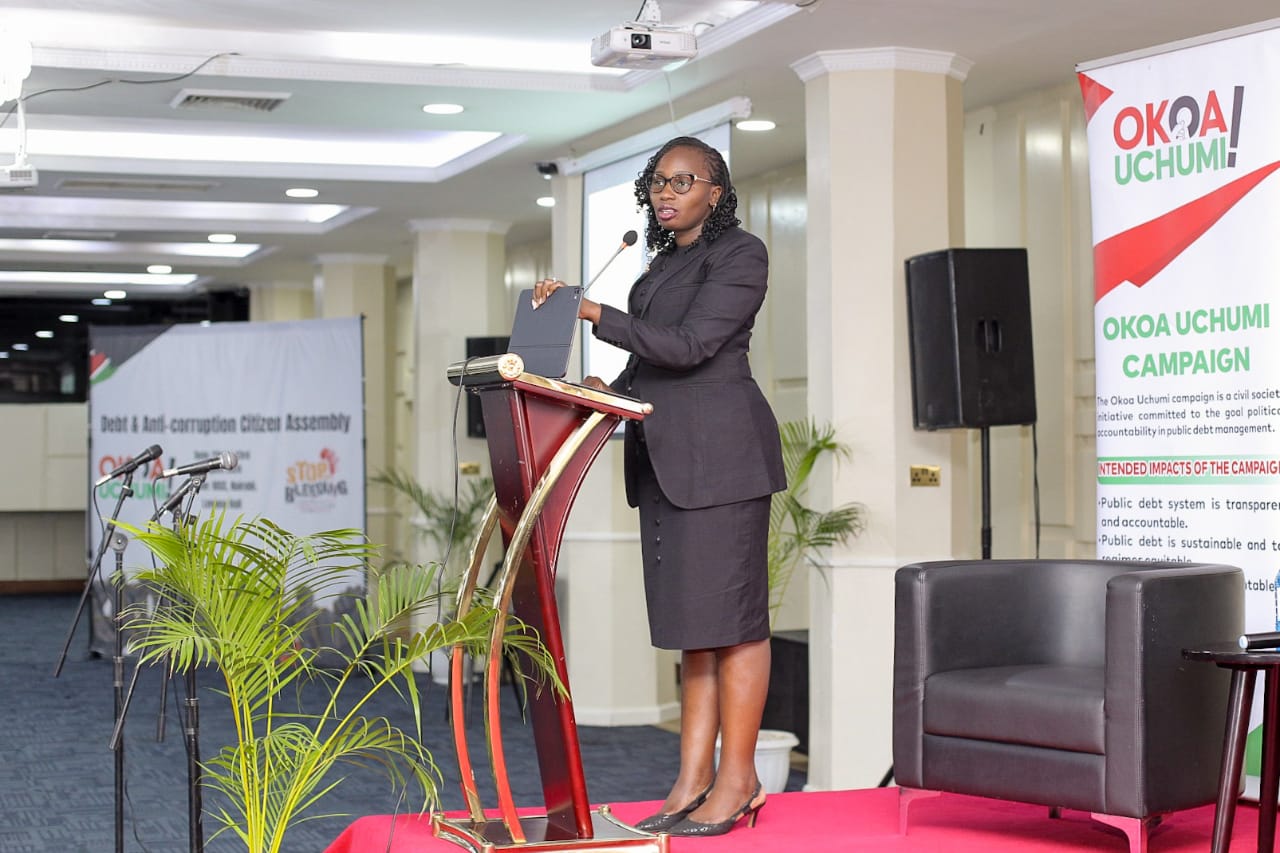
Law Society of Kenya president Mrs. Faith Odhiambo issuing her address at the Okoa uchumi press conference
By Cynthia Masibo
Worth Noting:
- Kenya’s fiscal framework has long been a subject of scrutiny. With ballooning public debt, diminishing revenues, and increasing expenditure demands, the country faces significant challenges in managing its economy. The 2024/25 budget, which was central to the assembly’s discussions, exemplifies the difficulties in achieving a balance between development needs and fiscal prudence.
- The assembly’s participants highlighted the unsustainable levels of debt, which have surpassed the recommended threshold, pushing the country into a debt distress category. Kenya’s public debt currently stands at over Ksh 10 trillion, with more than 65% of the country’s revenue being channeled towards debt servicing. This situation has left little room for the government to allocate funds to critical sectors such as health, education, and infrastructure.
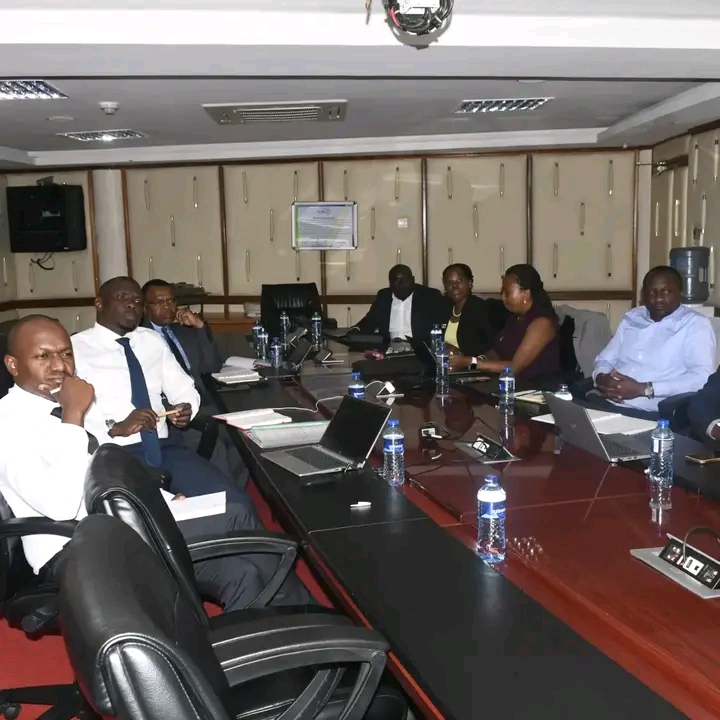
The Debt and Anti-Corruption Citizen Assembly held in Nairobi has brought into sharp focus the pressing economic challenges facing Kenya. Participants engaged in critical discussions on the country’s fiscal framework, with particular attention to the 2024/25 national budget and the deep-seated issues within Kenya’s financial architecture. The assembly also explored the impact of debt and austerity on human rights and gender justice, highlighting the need for collective action in shaping a more sustainable economic future for the nation
The assembly, attended by President of the Law Society of Kenya Faith Odhiambo, economic experts, civil society representatives, and citizens, was a deep dive into the cracks within Kenya’s financial architecture. The discussions were anchored on the theme of rethinking Kenya’s fiscal framework while addressing the underlying economic challenges that have left the country on the brink of a financial crisis. Central to these discussions was the analysis of the 2024/25 national budget, which has been a source of contention among economists and policymakers alike.
Kenya’s fiscal framework has long been a subject of scrutiny. With ballooning public debt, diminishing revenues, and increasing expenditure demands, the country faces significant challenges in managing its economy. The 2024/25 budget, which was central to the assembly’s discussions, exemplifies the difficulties in achieving a balance between development needs and fiscal prudence.
The assembly’s participants highlighted the unsustainable levels of debt, which have surpassed the recommended threshold, pushing the country into a debt distress category. Kenya’s public debt currently stands at over Ksh 10 trillion, with more than 65% of the country’s revenue being channeled towards debt servicing. This situation has left little room for the government to allocate funds to critical sectors such as health, education, and infrastructure.
The economic challenges are further exacerbated by slow economic growth, rising inflation, and a high unemployment rate. The assembly discussed the government’s strategies to address these issues, including austerity measures and the introduction of new taxes. However, concerns were raised about the impact of these measures on the already burdened populace, especially in light of the high cost of living.
One of the most compelling aspects of the assembly was the discussion on debt accountability and the impact of austerity on human rights and gender justice. The participants argued that the burden of Kenya’s debt crisis is disproportionately borne by the most vulnerable segments of society, including women and marginalized communities. The austerity measures, while aimed at stabilizing the economy, have resulted in reduced funding for essential services, further entrenching inequality and poverty.
The assembly also shed light on the gendered impacts of the economic crisis. Women, who constitute a significant portion of the informal sector and are often primary caregivers, have been hit hardest by the austerity measures. The cuts in social spending have led to a decline in access to healthcare, education, and other basic services, amplifying gender disparities.
Furthermore, the assembly underscored the need for greater transparency and accountability in the management of public debt. Participants called for the establishment of stronger oversight mechanisms to ensure that borrowed funds are used prudently and that the burden of debt is not passed on to future generations. There was a consensus that without addressing the underlying issues of corruption and mismanagement, Kenya’s debt crisis would only worsen, threatening the country’s economic stability and social cohesion.
Shaping Kenya’s Future Together
As the discussions drew to a close, the assembly emphasized the importance of collective action in shaping Kenya’s future. The participants called for a more inclusive and participatory approach to economic governance, where citizens have a say in how resources are managed and allocated. There was a shared understanding that to secure a prosperous future, Kenya must address its fiscal challenges head-on, while ensuring that economic policies promote social justice, human rights, and gender equity.
In conclusion, the Debt & Anti-Corruption Citizen Assembly provided a crucial platform for examining Kenya’s fiscal framework and economic challenges. As the country navigates its way through a complex economic landscape, the insights and recommendations from the assembly will be invaluable in shaping policies that promote sustainable development, economic justice, and a fairer society for all.
Similar Posts by The Mt Kenya Times:
- Lesuuda crosses the floor — and takes Samburu with her
- The Rift Valley is not Ruto’s anymore — and DCP is making sure everyone knows it
- Kalonzo and Muturi march into Gachagua country
- Faith and politics travel together for Gachagua in Washington State
- Gachagua: The man who would be kingmaker — or king
About the Author