Unpacking Sexual Violence: Consent, Trauma, And The Path To Justice
 The Mt Kenya Times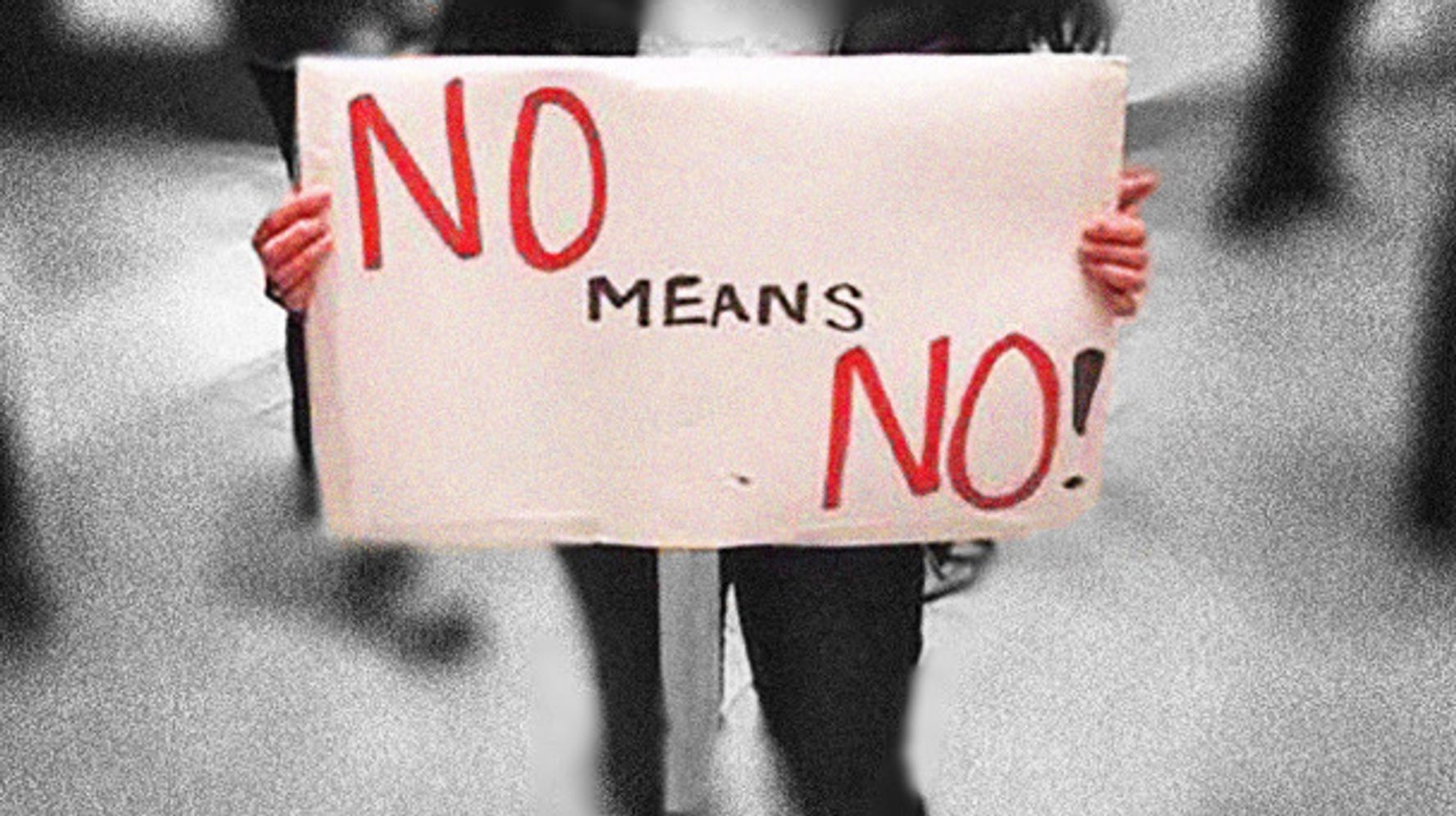
By: Silas Mwaudasheni Nande
Sexual violence is a global crisis, a profound violation of human rights that leaves indelible scars on individuals and societies. It is a complex issue, often shrouded in silence, stigma, and pervasive misconceptions. This article will delve deep into the multifaceted nature of sexual assault, exploring the fundamental concept of consent, the devastating impact on survivors, the arduous journey through reporting and the justice system, the critical importance of believing those who come forward, the global prevalence of sexual violence, and the nuanced intersection of sex work with the paramount principle of consent.
The Cornerstone of Consent: A Clear and Ongoing “Yes”
At the heart of any discussion about sexual activity lies the concept of consent. Legally and ethically, consent is the cornerstone. It is not merely the absence of a “no,” but rather an affirmative, enthusiastic, unambiguous, and voluntary agreement to engage in each specific sexual act. Consent must be:
Voluntary: Freely given, without any coercion, pressure, threats, intimidation, or fear. This means that consent cannot be obtained through duress or manipulation. An individual under the influence of drugs or alcohol to the point of incapacitation, or who is unconscious or asleep, cannot give consent.
Affirmative: Demonstrated through clear words or actions that indicate a willing and active participation. Silence, passivity, or a lack of resistance should never be interpreted as consent. A clear verbal “yes” or other outward demonstration of free choice is necessary.
Ongoing: Consent is not a one-time agreement. It must be present for every single sexual act and can be withdrawn at any point during a sexual encounter. Consenting to one activity, or having consented to an activity in the past, does not imply consent for other activities or for the same activity at a later time. For example, agreeing to kiss someone does not grant permission for further sexual acts. Having sex with someone previously does not imply consent for future encounters.
Specific: Consent must be given for each specific act. A person might consent to one form of sexual contact but not another.
Crucially, power dynamics can significantly impact the voluntariness of consent. Relationships where there is a clear imbalance of power – such as employer-employee, teacher-student, or doctor-patient – can make true, free consent difficult or impossible to ascertain, as the individual in the subordinate position may feel compelled to agree due to fear of reprisal or to gain favor.
The legal definitions of rape and sexual assault vary across jurisdictions, but they consistently revolve around the absence of consent. Generally:
Rape typically refers to non-consensual penetration (vaginal, anal, or oral) by a sex organ or object.
Sexual Assault is a broader term encompassing any non-consensual sexual act, including unwanted sexual touching, coercion into sexual acts, or exposure to sexual acts without consent.
It’s vital to debunk common myths that often surround consent. The idea that a victim must physically resist, that certain clothing implies consent, or that previous sexual history dictates future consent, are all dangerous falsehoods that perpetuate victim-blaming and obscure the true nature of sexual violence. Consent is about respect, communication, and mutual understanding, where “no” means no, and anything less than a clear “yes” means no.
The Profound Impact: Surviving Sexual Assault
The aftermath of sexual assault is often a deeply traumatic and life-altering experience, leaving survivors to grapple with a complex array of psychological, emotional, and physical consequences. The impact is highly individual, with no “right” or “wrong” way to respond, and can manifest immediately after the assault or emerge much later.
Psychological and Emotional Impacts:
Trauma and PTSD: Many survivors experience Post-Traumatic Stress Disorder (PTSD), characterized by intrusive thoughts, flashbacks, nightmares, severe anxiety, hypervigilance, and avoidance of anything that reminds them of the assault. These symptoms can be debilitating, disrupting daily life, relationships, and work.
Depression and Anxiety: Persistent sadness, hopelessness, loss of interest in previously enjoyed activities, changes in sleep and appetite, and thoughts of self-harm or suicide are common symptoms of depression. Anxiety, panic attacks, and a pervasive sense of unease are also frequently reported.
Shame, Guilt, and Self-Blame: Despite the perpetrator being solely responsible, survivors often internalize shame, guilt, and self-blame, questioning their actions, their clothing, or their choices, which can hinder their healing process.
Fear and Trust Issues: A profound sense of fear, distrust of others (especially potential romantic partners), and difficulty forming or maintaining healthy relationships are common. The world can feel unsafe, and intimacy can become challenging.
Disassociation: Some survivors experience disassociation, a detachment from their thoughts, feelings, memories, or even their body, as a coping mechanism during or after the assault.
Anger and Irritability: Feelings of intense anger, often directed inward or outward, and increased irritability are also common emotional responses.
Identity Shift: Survivors may feel that their identity has been irrevocably altered, struggling to reconcile their pre-assault self with their post-assault reality.
Physical Impacts
Immediate Injuries: Physical injuries such as cuts, bruises, tears, soreness, and swelling may occur during the assault.
Sexually Transmitted Infections (STIs) and Pregnancy: Survivors are at risk of contracting STIs, including HIV, and facing unintended pregnancies.
Chronic Pain and Somatic Symptoms: Some survivors develop chronic pain conditions, digestive issues, headaches, or other physical ailments as a result of the trauma.
Sleep Disturbances: Insomnia, nightmares, and other sleep disturbances are frequently reported, further exacerbating psychological distress.
Changes in Appetite and Eating Disorders: Fluctuations in appetite, overeating, or developing eating disorders can be a response to the trauma.
The impact of sexual assault is long-lasting, and survivors often require comprehensive support, including therapy, medical care, and community resources, to navigate their healing journey. The silence and stigma surrounding sexual violence can make it incredibly difficult for survivors to seek help, underscoring the critical need for a supportive and empathetic societal response.
The Arduous Path to Justice: Reporting and the Criminal Justice System
For many survivors, the decision to report sexual assault to law enforcement is an incredibly difficult one, fraught with emotional, psychological, and practical challenges. The journey through the criminal justice system can often be as traumatizing as the assault itself, leading to low reporting rates and high attrition rates in sexual assault cases.
Barriers to Reporting
Stigma and Shame: Deep-seated societal stigma and personal shame are major deterrents. Survivors often fear judgment, disbelief, or being blamed for what happened.
Fear of Not Being Believed: A pervasive fear that their story will be doubted, scrutinized, or dismissed by police, prosecutors, or even their own community, is a significant barrier.
Re-traumatization: The process of recounting the assault repeatedly, often to multiple individuals (police, medical examiners, lawyers), can be incredibly re-traumatizing, forcing survivors to relive the painful experience.
Lack of Evidence: Sexual assaults often occur in private, with no witnesses and little to no physical evidence, making prosecution challenging. Survivors may feel that there isn’t enough “proof” to support their claim.
Distrust in the Justice System: Historical and cultural distrust of authorities, particularly among marginalized communities, can prevent reporting. Survivors may believe the system is not designed to protect them or deliver justice.
Emotional and Psychological Impact: The immediate aftermath of an assault can leave survivors in a state of shock, confusion, or emotional numbness, making it difficult to immediately engage with official processes.
Fear of Reprisal: Survivors may fear retaliation from the perpetrator or their associates, particularly if the assailant is known to them.
Lack of Support: Inadequate support services, language barriers, and a lack of culturally appropriate resources can further isolate survivors.
Challenges within the Justice System
Investigation and Evidence Gathering: Sexual assault investigations are notoriously complex. Officers may lack specialized training in trauma-informed interviewing, leading to re-traumatization or inconsistent accounts. Gathering forensic evidence can be challenging and time-sensitive.
Prosecution Difficulties: Prosecutors must prove beyond a reasonable doubt that the sexual act occurred without consent and that the accused knew or was reckless as to the absence of consent. This can be challenging when cases rely heavily on victim testimony and often lack corroborating evidence.
Cross-Examination and Defense Tactics: In court, survivors may face aggressive cross-examination, where defense attorneys attempt to discredit their testimony, question their credibility, or suggest alternative narratives. This can be deeply humiliating and distressing.
“He Said, She Said” Scenarios: Without concrete physical evidence or witnesses, sexual assault cases can often devolve into a “he said, she said” scenario, which can be emotionally draining and legally precarious for survivors.
Low Conviction Rates: Globally, conviction rates for sexual assault remain stubbornly low compared to other violent crimes, contributing to a perception that the justice system fails survivors. This attrition can be disheartening for those who pursue legal action.
Secondary Victimization: The process itself can lead to “secondary victimization,” where survivors feel further harmed or betrayed by the institutions meant to protect them. This can occur through insensitive questioning, disbelief from authorities, or a protracted, intrusive legal process.
Despite these immense challenges, many courageous survivors choose to report, driven by a desire for justice, to prevent others from being harmed, or to reclaim a sense of agency. Their resilience in navigating a system that is often not designed to support them is truly remarkable.
The Imperative of Belief: Why “Believe Survivors” Matters
In the face of the profound challenges survivors encounter when disclosing sexual assault, the simple act of “believing survivors” becomes a powerful and essential act of support and solidarity. This mantra is not about bypassing due process or automatically declaring guilt; rather, it is about creating an initial environment of empathy and trust that is crucial for healing and for encouraging reporting.
Why Belief is Crucial
Encourages Disclosure: When survivors feel they will be believed, they are more likely to come forward and seek help. The fear of disbelief is a primary reason for silence.
Validates Experience: Being believed validates a survivor’s traumatic experience, affirming that what happened to them was real and not their fault. This is fundamental to counteracting feelings of shame and self-blame.
Facilitates Healing: A supportive and believing response can be the first step on a survivor’s healing journey. It provides a sense of safety and allows them to process their trauma without the added burden of fighting for credibility.
Counters Victim-Blaming: Believing survivors directly challenges the pervasive culture of victim-blaming that often accompanies discussions of sexual assault. It shifts the focus from the survivor’s actions to the perpetrator’s responsibility.
High Truthfulness Rate: Research consistently shows that false reports of sexual assault are rare, typically ranging from 2-10%, a rate comparable to false reports for other violent crimes. The vast majority of disclosures are true, making initial skepticism unwarranted and harmful.
Reduces Isolation: When survivors are met with skepticism or disbelief, they often retreat into isolation, compounding their trauma. Belief fosters connection and reduces feelings of loneliness.
Empowerment: Being believed empowers survivors to reclaim their voice and agency, which are often stripped away by the act of assault.
“Believe survivors” is a call to listen with an open mind, to offer compassion, and to understand that a survivor’s account, even if it seems fragmented or inconsistent due to trauma, is their truth. It acknowledges that the primary hurdle for many survivors is simply getting their story heard and accepted, rather than immediately being subjected to doubt. This initial belief does not preclude a thorough investigation by law enforcement, but it establishes a foundation of support that is vital for the survivor’s well-being and for the potential pursuit of justice.
The Global Scope: Prevalence of Sexual Violence
Sexual violence is a pervasive human rights violation affecting millions worldwide, transcending geographical, cultural, and socioeconomic boundaries. While comprehensive data can be challenging to collect due to underreporting and varying definitions, global statistics paint a grim picture of its widespread prevalence.
According to the World Health Organization (WHO), global estimates indicate that approximately 1 in 3 women (30%) worldwide have experienced physical and/or sexual violence at least once in their lifetime, with most of this violence perpetrated by intimate partners. While intimate partner violence accounts for the majority, a significant percentage of women also report having been sexually assaulted by non-partners.
Key statistics and trends highlight
Gendered Violence: Sexual violence disproportionately affects women and girls. While men and boys can also be victims, the vast majority of perpetrators are male, and the victims are overwhelmingly female.
Intimate Partner Violence: A substantial portion of sexual violence occurs within intimate relationships, often alongside other forms of abuse. This highlights the complex dynamics of power and control within relationships.
Non-Partner Sexual Violence: A significant percentage of women also experience sexual assault by individuals other than their partners, including strangers, acquaintances, or family members. Data for non-partner sexual violence can be more limited, but its prevalence is undeniable.
Underreporting: The true scope of sexual violence is significantly underestimated due to pervasive underreporting. Factors like shame, fear of retaliation, distrust in the justice system, and societal stigma contribute to many assaults going unreported.
Conflict and Humanitarian Crises: In conflict zones and humanitarian emergencies, sexual violence is often used as a weapon of war, with devastating consequences for individuals and communities. Displacement and instability exacerbate vulnerabilities.
Vulnerable Populations: Certain groups are at heightened risk of sexual violence, including women and girls with disabilities, indigenous women, LGBTQ+ individuals, migrants, and refugees.
Long-term Consequences: Beyond the immediate trauma, sexual violence has severe long-term health consequences, including increased risk of STIs (including HIV), unintended pregnancies, chronic pain, mental health disorders, and higher rates of suicide.
Economic Impact: Sexual violence also has a significant economic impact, affecting individuals’ ability to work, participate in education, and contribute to society, and placing a burden on healthcare and justice systems.
International organizations like the UN Women and the WHO are actively working to raise awareness, improve data collection, support survivors, and advocate for stronger legal frameworks and prevention strategies to combat sexual violence globally. The sheer scale of the problem underscores the urgent need for collective action and a fundamental shift in societal attitudes towards consent and gender equality.
Sex Work and the Unwavering Right to Consent
The intersection of sex work and sexual violence is a complex and often misunderstood area, fraught with societal prejudices and legal ambiguities. It is critical to establish unequivocally that engaging in sex work does not negate or diminish an individual’s fundamental right to consent. Any sexual act performed without explicit, enthusiastic, and ongoing consent within the context of sex work is, by definition, sexual assault or rape.
Understanding Consent in Sex Work
Negotiated Services: Sex work, in its consensual form, involves the negotiated exchange of specific sexual services for compensation. The terms of this exchange should be clearly defined and agreed upon by all parties.
Specific Consent: Consent given for one specific service does not automatically extend to other services. For example, agreeing to a particular act does not imply consent for additional or different acts.
Withdrawal of Consent: Just like in any other sexual encounter, consent can be withdrawn at any time, even if payment has been made or services have begun. If a sex worker states they no longer consent, or if their non-verbal cues clearly indicate withdrawal of consent, the activity must stop immediately. Continuing without consent is sexual assault.
Payment Does Not Equal Perpetual Consent: The act of receiving payment for sexual services does not grant a client indefinite or unlimited access to a sex worker’s body. Consent remains paramount and can be rescinded.
Power Imbalances and Coercion: While consensual sex work exists, it is also a field where individuals can be highly vulnerable to exploitation, trafficking, and coercion. These situations, where consent is absent or fundamentally compromised, are not sex work but rather forms of sexual exploitation and violence. It is crucial to distinguish between consensual sex work and exploitation.
Challenges Faced by Sex Workers Regarding Consent and Safety
Criminalization: In many jurisdictions, sex work is criminalized, either fully or partially. This criminalization drives sex workers underground, making them more vulnerable to violence and exploitation, and less likely to report assaults due to fear of arrest or further stigmatization. It also makes it harder for them to access legal protection and support services.
Stigma and Discrimination: Sex workers often face immense social stigma and discrimination, which can lead to their experiences of sexual violence being dismissed or disbelieved by law enforcement, healthcare providers, and the wider community.
Lack of Legal Protection: Where sex work is illegal, sex workers may not have the same legal protections as other workers, making it difficult to seek justice for crimes committed against them. Perpetrators may act with impunity, knowing their victims are less likely to report.
Exploitation and Trafficking: The lines between consensual sex work and human trafficking or exploitation can be blurred, and vulnerable individuals are often forced or coerced into sexual acts. It is vital to recognize that such situations are inherently non-consensual and constitute grave human rights violations.
Difficulty in Reporting: Fear of arrest, disbelief, and re-traumatization can create significant barriers for sex workers who experience sexual assault to report to the police.
Myths and Misconceptions: Harmful myths persist, suggesting that sex workers cannot be raped, or that payment automatically implies consent for any sexual act. These misconceptions are dangerous and directly contribute to the vulnerability of sex workers to sexual violence.
Advocacy for Sex Workers’ Rights
Human rights organizations and sex worker-led advocacy groups widely advocate for the decriminalization of consensual adult sex work. They argue that this approach, rather than criminalization, is the most effective way to:
Enhance Safety: By bringing sex work out of the shadows, decriminalization can create safer working conditions, allow for better regulation, and enable sex workers to report violence without fear of legal repercussions.
Improve Health Outcomes: Decriminalization can facilitate access to healthcare, including sexual health services, for sex workers.
Uphold Human Rights: It aligns with the principles of bodily autonomy, dignity, and freedom from violence and discrimination for all individuals, regardless of their profession.
Combat Exploitation: By differentiating consensual sex work from exploitation and trafficking, law enforcement can better focus resources on prosecuting genuine cases of forced labor and sexual slavery.
The fundamental principle remains clear: consent is non-negotiable. No profession, no agreement, and no payment can ever justify or excuse sexual acts performed without clear, enthusiastic, and ongoing consent. Sexual assault within the context of sex work is still sexual assault, and survivors deserve the same rights, protection, and access to justice as any other survivor of sexual violence.
The Path Forward: Collective Responsibility and Change
Addressing sexual violence requires a multi-pronged approach that goes beyond legal frameworks and delves into societal attitudes, education, and support systems. The profound impact of sexual assault, the arduous journey for survivors seeking justice, and the global prevalence of this violence underscore the urgent need for comprehensive and sustained action.
Key areas for change include:
Comprehensive Education: Implementing comprehensive consent education programs from a young age, focusing on healthy relationships, communication, and respect for bodily autonomy.
Challenging Harmful Norms: Actively dismantling patriarchal attitudes, gender stereotypes, and rape myths that contribute to a culture of sexual violence and victim-blaming. This requires critical examination of media representations, language, and cultural practices.
Trauma-Informed Response: Ensuring that all first responders, healthcare professionals, and legal personnel are trained in trauma-informed care, providing empathetic and supportive responses to survivors.
Strengthening Legal Frameworks and Enforcement: Reviewing and strengthening laws related to sexual violence, ensuring they are aligned with international human rights standards and effectively prosecute perpetrators. This includes addressing issues of consent, evidence, and victim support within the justice system.
Support Services: Investing in and expanding accessible, comprehensive support services for survivors, including crisis hotlines, counseling, medical care, legal aid, and safe housing.
Engaging Men and Boys: Actively engaging men and boys in prevention efforts, fostering positive masculinities, and challenging norms that normalize aggression or sexual entitlement.
Research and Data Collection: Improving the collection of accurate data on sexual violence to better understand its prevalence, patterns, and impact, informing evidence-based prevention and response strategies.
Human Rights-Based Approach to Sex Work: Advocating for the decriminalization of consensual adult sex work to improve the safety, health, and human rights of sex workers, allowing them to report violence without fear.
Ultimately, preventing and responding to sexual violence is a shared responsibility. It requires a societal shift towards a culture of consent, respect, and accountability, where every individual’s bodily autonomy is revered, and survivors are met with unwavering belief and support on their path to healing and justice. The silence around sexual violence must be broken, and the voices of survivors amplified, to pave the way for a world free from this pervasive human rights abuse.
Similar Posts by The Mt Kenya Times:
- Mt Kenya Times ePAPER October 10-11, 2026
- Cabinet clears path for pending bills payout in relief for Kenya’s struggling suppliers
- Karanja quits UDA and targets Nakuru governorship on Gachagua’s DCP ticket
- Gachagua’s team plants DCP flag in Kiambu as 2027 battle lines harden
- A moment of recognition for service in energy
About the Author