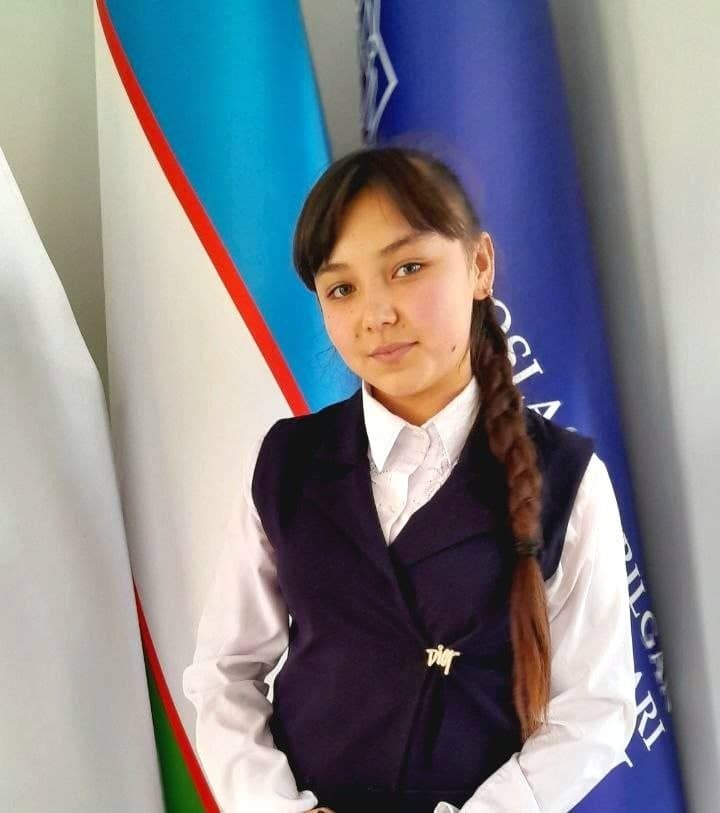
Musurmonova Zamira Abdurashid

By: Musurmonova Zamira Abdurashid
Abstract: This article explores the concept of Uzbek mentality, focusing on its socio-cultural roots, historical evolution, and contemporary significance. The study examines key elements that define Uzbek mentality, such as collectivism, respect for elders, hospitality, and traditions. It also analyzes the challenges and transformations in modern Uzbek society due to globalization and technological advancements. The findings highlight the resilience of cultural values while also suggesting ways to adapt and sustain them in a rapidly changing world.
Keywords: Uzbek mentality, collectivism, hospitality, cultural traditions, globalization, respect for elders, social change, modernization, identity, values, Uzbek mentality, collectivism, hospitality, cultural traditions, globalization, respect for elders, social change, modernization, identity, values, economy, politics, education, history, tradition.
Introduction: The mentality of a nation is a complex phenomenon shaped by historical, social, and cultural factors. Uzbek mentality, deeply rooted in centuries-old traditions, reflects the values and norms that govern interpersonal relationships, decision-making, and social structures. Understanding Uzbek mentality is crucial for appreciating the country’s social harmony and cohesion. This article aims to discuss the core characteristics of Uzbek mentality, their relevance in contemporary society, and the necessary adaptations for the future.
Main Discussion
- Key Elements of Uzbek Mentality
Collectivism and Family Values: Uzbek society is predominantly collectivist, where family bonds and community support play a crucial role in daily life. People prioritize group interests over individual gains, fostering a sense of unity.
Respect for Elders: A fundamental aspect of Uzbek mentality is the deep respect for elders, who are regarded as sources of wisdom and guidance. This is reflected in family dynamics, social interactions, and decision-making processes.
Hospitality: Uzbek hospitality is renowned worldwide. Hosting guests with generosity and ensuring their comfort is considered a social duty and a matter of honor.
Tradition and Religion: Cultural traditions, often intertwined with Islamic values, influence social norms, rituals, and celebrations, strengthening the cultural identity of the nation.
Strong Sense of National Identity: Uzbeks take great pride in their historical heritage, language, and cultural legacy, which play a fundamental role in shaping their mentality and worldview.
- Challenges and Transformations
Economic and Social Changes: Urbanization and economic diversification have influenced people’s attitudes towards career, education, and family structure, leading to gradual shifts in traditional roles.
Gender Roles and Modernization: While traditional gender roles remain strong, modern influences have encouraged greater gender equality and professional opportunities for women.
Impact of Globalization: Exposure to global cultures, digitalization, and migration have introduced new values and lifestyles, sometimes conflicting with traditional norms.
Intergenerational Differences: Younger generations, exposed to modern education and digital technologies, often develop different perspectives and lifestyles compared to their elders, leading to a dynamic yet sometimes challenging generational dialogue.
Relevance and Analysis: Despite external influences, Uzbek mentality remains resilient, adapting to changing circumstances while preserving its core values. The balance between tradition and modernity is key to ensuring cultural sustainability. Social policies, education, and media play significant roles in shaping the future trajectory of Uzbek mentality. Additionally, fostering critical thinking and embracing cultural diversity can help maintain Uzbek identity while progressing towards global integration.
Historical Development of Uzbek Mentality Uzbek mentality has evolved over centuries, shaped by various historical events, cultural exchanges, and socio-political transformations. Key historical factors influencing Uzbek mentality include:
Ancient Roots and Nomadic Influence: The early inhabitants of the region, including Sogdians and Bactrians, established a foundation of trade, craftsmanship, and strong communal ties. The nomadic lifestyle of Turkic tribes introduced values of resilience, adaptability, and hospitality.
The Silk Road and Cultural Exchange: Uzbekistan’s location along the Silk Road facilitated cultural interactions with Chinese, Persian, Arab, and European civilizations. This interaction contributed to a blend of traditions, fostering open-mindedness and a deep appreciation for knowledge and trade.
Islamic Influence and Moral Values: The spread of Islam in the 8th century played a significant role in shaping Uzbek mentality. Religious teachings emphasized respect for elders, generosity, and community cooperation, strengthening moral and ethical standards.
Timurid Renaissance and Intellectual Legacy: Under Amir Timur and his successors, Uzbekistan became a center of science, literature, and architecture. This period reinforced a strong sense of national pride, artistic expression, and intellectual curiosity.
Soviet Era and Ideological Shifts: The Soviet period (1924-1991) brought significant changes to Uzbek mentality. While industrialization and modernization expanded education and employment opportunities, collectivization policies and centralized control also altered traditional values, affecting family structures and social norms.
Independence and Cultural Revival: Since gaining independence in 1991, Uzbekistan has actively revived its cultural heritage and national identity. Policies promoting Uzbek language, traditions, and Islamic values have strengthened national consciousness, while economic reforms have encouraged individual entrepreneurship and modernization.
Key Elements of Uzbek Mentality
Collectivism and Family Values: Uzbek society is predominantly collectivist, where family bonds and community support play a crucial role in daily life. People prioritize group interests over individual gains, fostering a sense of unity.
Respect for Elders: A fundamental aspect of Uzbek mentality is the deep respect for elders, who are regarded as sources of wisdom and guidance. This is reflected in family dynamics, social interactions, and decision-making processes.
Conclusion and Recommendations: Uzbek mentality is an essential part of the nation’s identity, offering social stability and unity. However, adapting cultural values to contemporary challenges is necessary for progress. To achieve this balance, the following recommendations are proposed:
Promote cultural education to reinforce traditional values among younger generations.
Encourage open dialogue between traditionalists and modern thinkers to foster mutual understanding.
Support policies that blend modern advancements with cultural heritage to ensure sustainable societal growth.
Strengthen national identity through media, literature, and historical awareness programs to maintain cultural pride while being open to progress.
Musurmonova Zamira Abdurashid, Termez University of Economics and Service Surkhandarya region Muzrabot district.
References
- Akbarov, T. (2019). “Cultural Identity in Uzbekistan: A Historical Perspective.” Journal of Central Asian Studies, 25(3), 45-60.
- Karimova, S. (2021). “The Impact of Globalization on Uzbek Society.” Uzbek Social Research Journal, 14(2), 87-102.
- Saidov, U. (2020). “Hospitality and Tradition: The Heart of Uzbek Culture.” Central Asian Review, 18(1), 33-47.
- Rakhimov, M. (2022). “Intergenerational Dialogue in Uzbekistan: Challenges and Opportunities.” Central Asian Studies Review, 19(4), 56-72.
- Ismailova, N. (2023). “Economic Strategies in Traditional and Modern Uzbekistan.” Economic Development Journal, 22(1), 77-94.
- Umarov, B. (2023). “Political Culture and Governance in Uzbekistan.” Central Asian Policy Review, 15(3), 99-115.
Similar Posts by The Mt Kenya Times:
- Mt Kenya Times ePAPER October 27, 2026
- Sifuna draws hope from Serbia and Brazil as Kenya’s 2027 race heats up
- Uhuru calls for unity as he marks 65th birthday
- Kenya establishes international crimes division: Justice delayed, but will it be delivered?
- World marathon champion Jepchirchir suspended in fresh blow to Kenya’s clean sport drive
About the Author