
By: Beni Dya Mbaxi
Luanda – Angola
Worth Noting:
- This culminated in the exclusion of local languages from teaching and the process of “ASSIMILATION”. What was assimilation? Very simple; the colonized were not Portuguese citizens. They were not entitled to an identity card.
- What made them “legal” was: 1- the work card signed daily by the boss; 2- the indigenous tax recognizably paid. Otherwise, they were arrested in the daily raids and sent to; 1- public works roads; 2- domestic services (the colonists had the right to go the police station´s prison to choose a “boy” not born in Luanda or Malanje – those from these regions were considered false in their relations with the colonizers; those from the “south” were considered “blacks faithful” and therefore in great demand for domestic work. The colonized could not therefore marry, but “friend”.
I remembre when my grandmother communicated with her sisters, well, my grandmothers too. That communication seemed perfect for them, I remember once I asked her what language that was, in fact, they were polyglots, they spoke Portuguese, Kimbundu and lingala.
And of course most of the time they spoke Kimbundu, it is the first language they had contact with, they were born in the municipality of Nambuangongo, in the northern part of our country, try spoke Kimbundu all their childhood, until the Portuguese arrived and participated in the linguicide of our national languages. Just yesterday while talking to my cousin on the cell phone, I told him that I´m Portuguese and not Angolan, he was amazed and I know why the admiration.
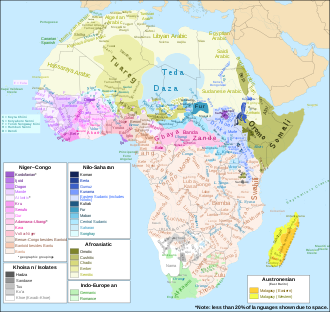
But, I began to explain the real reason that led me to say those words. I was born in 1977, I really wanted to speak our national languages, but unfortunately I was born with the environment, since the Portuguese were already born to speak Portuguese, today, whoever speaks the national language better he is a true Angolan, but unfortunately it is not so. The territorial unit Angola, created, I think, from the 19th century and maintained until today, did not have any languages with the same root, a little like the European Neo-Latin languages. The main ones were (and still are); Kikongo, Kimbundu, Umbundu, Tchokwe and Kwanhama, considered by the Portuguese as dialects.
The Portuguese language was imposing itself as the language of the Angolan totality, an imposition from outside. The colonization ideology was simple in this respect: to overvalue the colonizer´s language and to despise, in accordance with the occuper´s strategic interests, the local sub-languages.
This culminated in the exclusion of local languages from teaching and the process of “ASSIMILATION”. What was assimilation? Very simple; the colonized were not Portuguese citizens. They were not entitled to an identity card.
What made them “legal” was: 1- the work card signed daily by the boss; 2- the indigenous tax recognizably paid. Otherwise, they were arrested in the daily raids and sent to; 1- public works roads; 2- domestic services (the colonists had the right to go the police station´s prison to choose a “boy” not born in Luanda or Malanje – those from these regions were considered false in their relations with the colonizers; those from the “south” were considered “blacks faithful” and therefore in great demand for domestic work. The colonized could not therefore marry, but “friend”.
The marriage was for the “mestizos” (whom the colonizers called “Africans”; an African lady was a mixed-race woman).
Just yesterday while talking to my cousin on the cell phone, I told him that I´m Portuguese and not Angolan, he was amazed and I know why the admiration. But, I began to explain the real reason that led me to say those words.
Similar Posts by The Mt Kenya Times:
- Mt Kenya Times ePAPER October 23, 2026
- Ruto’s parting COMESA call: Remove the barriers, honour the commitments
- Direct hospital access to KEMSA cuts drug delays, says PS
- Africa can’t wait: Continent seeks $1 trillion for climate adaptation
- Ruto passes the baton as Africa’s trade bloc faces a fragmenting world
About the Author