Climate change has long been a topic of debate and concern, and rightfully so. Beyond its impact on the environment, climate change poses a significant threat to human health. While some may argue that other issues such as infectious diseases or malnutrition take precedence, the long-term consequences of climate change far outweigh any other health concern we face today.
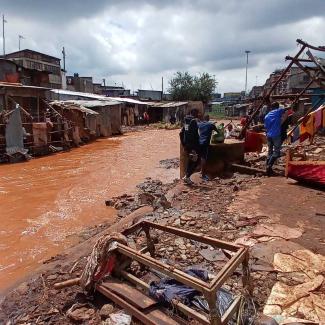
One of the most alarming repercussions of climate change is the rise in extreme weather events. Heatwaves, hurricanes, droughts, and floods are becoming more frequent and intense. These events not only lead to immediate injuries, displacement, and loss of life, but they also have lingering effects on health. Heatwaves, for instance, can cause heatstroke, dehydration, cardiovascular issues, and respiratory problems. Floods may result in waterborne diseases such as cholera and an increase in mosquito populations carrying diseases like dengue fever or malaria.
Furthermore, climate change acts as a catalyst for the spread of infectious diseases. As temperatures rise, diseases once confined to specific regions begin to expand their reach. Mosquitoes, responsible for transmitting diseases such as Zika, dengue fever, and West Nile virus, thrive in warmer climates and are now appearing in areas previously unaffected. Tick-borne diseases like Lyme disease are also increasing as ticks expand their territory. These diseases are not only a direct threat to human health but also place a burden on healthcare systems already struggling to cope with existing needs.
A lesser-known but no less significant health concern related to climate change is mental health. Natural disasters and the loss of homes, livelihoods, and loved ones can have profound psychological impacts on individuals and communities. The increased frequency and severity of climate-induced disasters can lead to a rise in anxiety, depression, post-traumatic stress disorder (PTSD), and substance abuse. As climate change continues to disrupt ecosystems and livelihoods, these mental health issues are likely to become more prevalent.
Another aspect of climate change’s impact on health is through food and water security. Changes in rainfall patterns, increased droughts, and extreme weather events harm agriculture, reducing crop yields and creating food shortages. Malnutrition and hunger become more prevalent, particularly in vulnerable populations, exacerbating existing health issues and making individuals more susceptible to diseases. Additionally, access to safe drinking water becomes limited as droughts and floods contaminate water sources, leading to waterborne diseases like diarrhea and cholera.
Despite the overwhelming evidence, climate change is still met with skepticism and a lack of urgency. This is partly due to the complexity of climate science and the misconceptions propagated by those with vested interests. However, it is crucial to recognize that addressing climate change is not only an environmental issue but also a human rights issue and a matter of public health.
To combat this great threat to human health, concerted efforts are needed at all levels—individual, collective, and governmental. Individuals can contribute by adopting sustainable practices such as reducing carbon emissions, conserving water, and supporting renewable energy sources. Governments must enact stringent policies and regulations to limit greenhouse gas emissions and invest in renewable energy infrastructure. International cooperation is crucial to address climate change comprehensively, as no country can tackle this issue alone.
While many health challenges persist, climate change remains the greatest threat to human health overall. It is a multidimensional problem that affects various aspects of human well-being, from physical health to mental well-being, food security, and access to clean water. Ignoring or downplaying this issue jeopardizes not only our planet but also the health and survival of current and future generations. It is time to acknowledge the urgency and take decisive action to mitigate climate change and safeguard human health.
Dorothy Atieno And Leah Mungai
Rongo, Migori
Similar Posts by The Mt Kenya Times:
- Mt Kenya Times ePAPER October 23, 2026
- Ruto’s parting COMESA call: Remove the barriers, honour the commitments
- Direct hospital access to KEMSA cuts drug delays, says PS
- Africa can’t wait: Continent seeks $1 trillion for climate adaptation
- Ruto passes the baton as Africa’s trade bloc faces a fragmenting world
About the Author