The Mt Kenya Times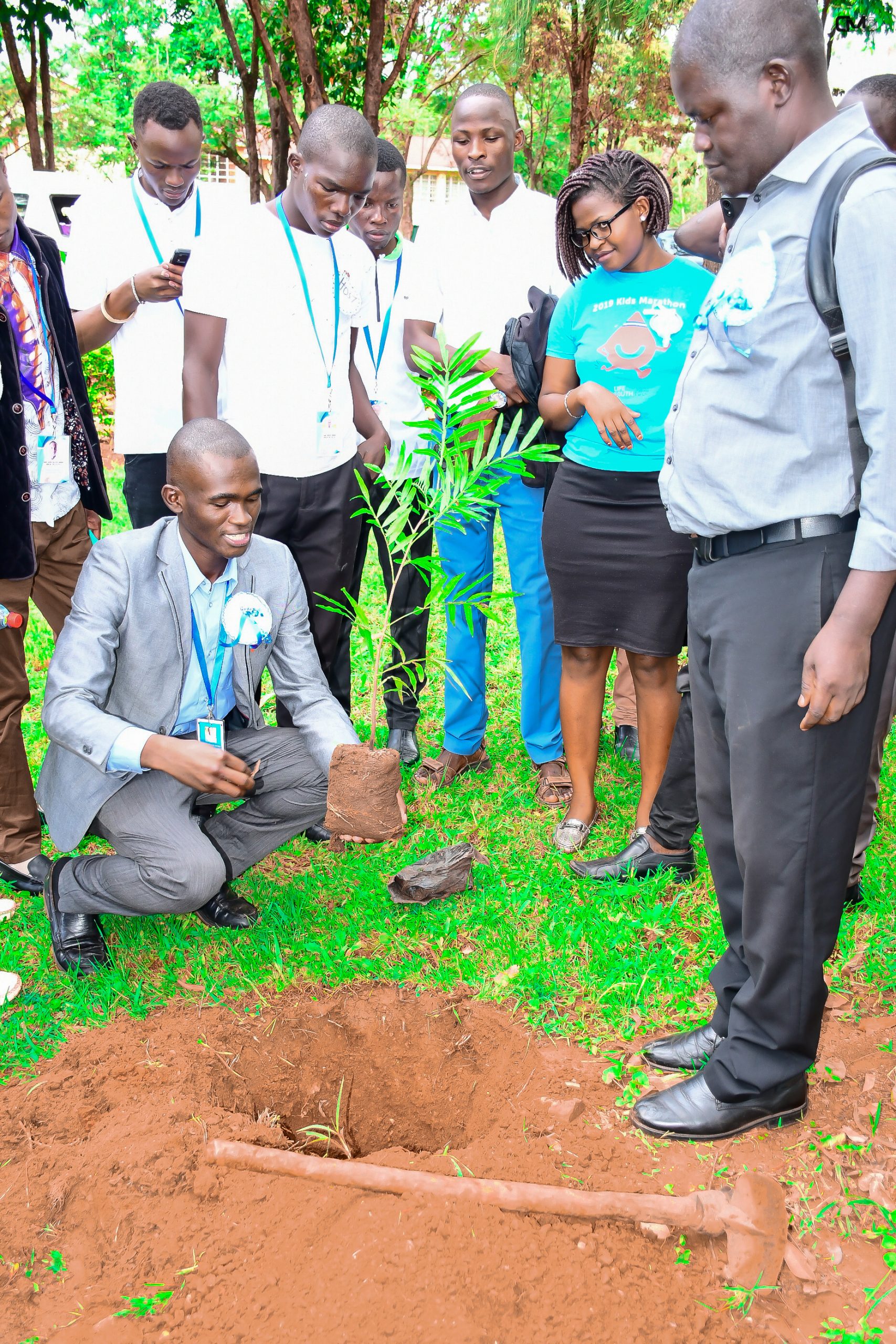
By: Tonny O. Blair
Development refers to the process of enhancing social and economic progress in order to meet human needs and improve the quality of life. It involves the modification of the biosphere, which can have significant impacts on the environment and natural resources. Sustainable development, on the other hand, describes a development process that prioritizes environmental conservation and resource management, focusing on the preservation of soil, air, and water systems that support life. This approach seeks to harmonize developmental activities with proper natural resource management at the individual, community, and national levels. It is crucial that development is pursued sustainably, both ecologically and economically, without jeopardizing resources for future generations.
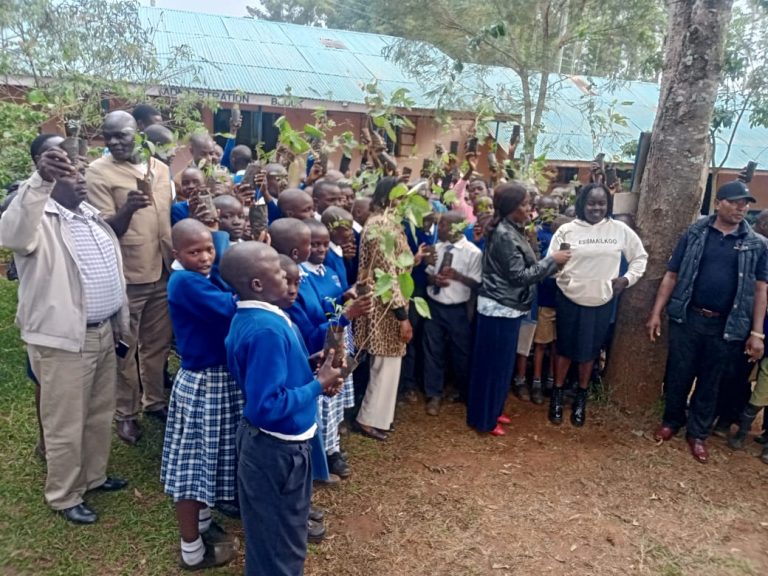
One way to achieve sustainable development is by planting indigenous trees. These trees act as great carbon absorbers, making them an effective climate action process that can prevent unnecessary changes in weather patterns. Climate change is caused by various human activities that result in the production of carbon, which is released into the atmosphere. This, in turn, can cause the destruction of the ozone (O3) layer, exposing people to harmful ultraviolet rays and increasing the risk of skin cancer. By increasing the absorption rate of carbon in the atmosphere, planting indigenous trees can help reduce the amount of carbon in the environment and prevent such negative outcomes.
Moreover, planting indigenous trees can promote a culture of reading by providing a serene environment for meditation. A calm and settled environment is crucial for constructive reading and understanding, which can significantly improve students’ academic performance. By planting these trees in various institutions, we can create such an environment and foster a culture of reading and learning.
In addition, indigenous trees can serve as a source of income, especially through beekeeping. The state of the economy, particularly in Kenya, is rapidly evolving. Rearing bees is one of the activities that has been motivated by the presence of indigenous trees such as acacia, linden, ivy, and maple, which provide a habitat for bees to thrive. By selling honey, individuals can earn a livelihood, thereby improving their economic status.
Furthermore, planting indigenous trees is critical in improving the agricultural sector and reducing the rate of food insecurity. The change in weather patterns has significantly affected global food production, leading to food insecurity in many areas. However, by planting indigenous trees with enough forest cover and drought resistance, we can facilitate predictable rainfall and enhance food production globally, ultimately reducing poverty levels.
Finally, planting indigenous trees can enhance creativity, particularly among the youth. These trees can improve the art of creativity among young people, creating employment opportunities for themselves and others. Protecting and promoting nature is crucial for our well-being, and it is our sole responsibility to ensure that we operate with utmost integrity at a personal level. This way, others can learn by observing our actions, and we can collectively work towards eradicating environmental degradation activities. Prevention is better than cure, and we must prioritize nature’s protection, promotion, and love.
Tonny O. Blair – Environmental Activist.
Similar Posts by The Mt Kenya Times:
- Utumishi murder case shifts as accused children weigh plea bargains
- Students bear the brunt of Kenya’s public university crisis
- The strategic importance of social work in preventing harmful habits among young people
- How Mitei has steadied the ship at TSC
- Breaking the silence: How Kenya’s schools can heal the hidden wounds of mental stress
About the Author