Why scholars in universities should be conscious of their verbiage
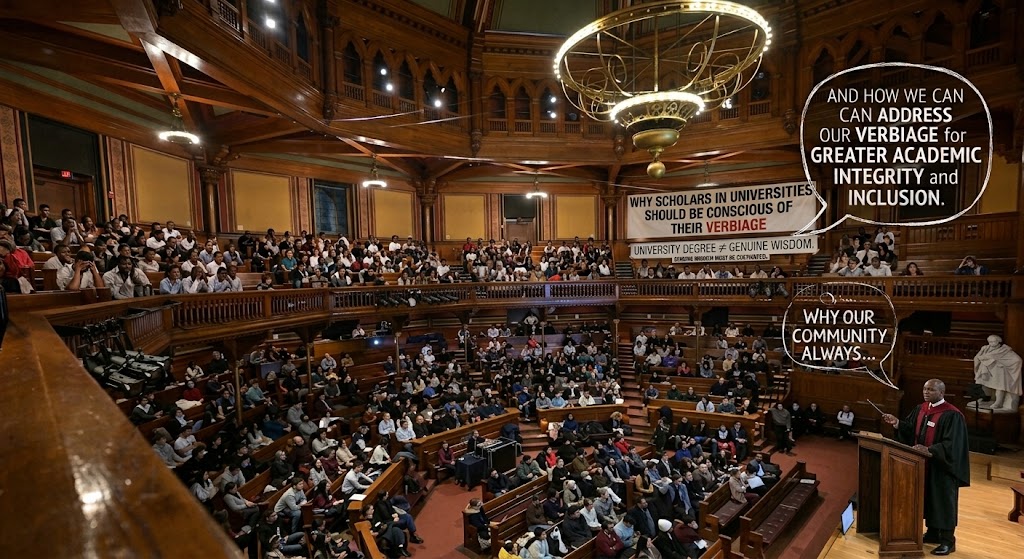
A lecturer’s tribal outburst at the University of Eldoret is a reminder that a university degree and genuine wisdom are not the same thing
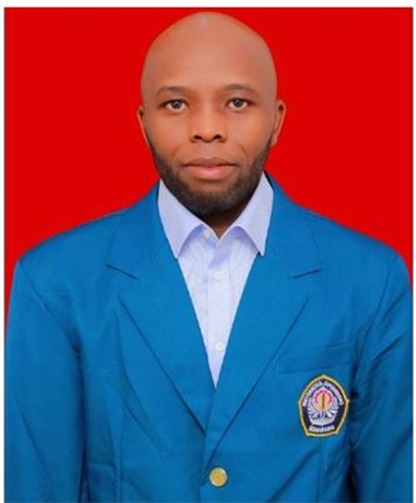
By Bodo Simon
Knowledge has long been associated with civilisation — a connection that is often, and mistakenly, taken to mean wisdom. The distinction matters. Wisdom, as etymologists and philosophers have long argued, is the judicious application of knowledge combined with experience, empathy, and sound judgement. Knowledge, then, is a component of wisdom, not a substitute for it. And knowledge applied without wisdom can be not merely unhelpful but genuinely destructive.
While wisdom may develop through lived experience and moral formation, knowledge is acquired through systematic learning. The university sits at the pinnacle of that process. It is, or ought to be, the institution through which education — the harmonious development of the physical, mental, moral, and social faculties — is transmitted and applied in service to humanity, regardless of race, origin, or political affiliation. Indira Gandhi captured the ideal well when she described education as a liberating and democratising force that cuts across the barriers of caste and class, smoothing out the inequalities imposed by birth and circumstance.
It is against that standard that a recent incident at the University of Eldoret must be measured — and found severely wanting. A lecturer at the institution reportedly told students from Western Kenya and Mount Kenya that they should not return to the university if President William Ruto loses the 2027 general election. The statement was tribal, inflammatory, and wholly unbefitting of anyone entrusted with the education of young people. That it came from inside a lecture hall makes it worse, not better.
The irony is sharp. The University of Eldoret’s motto is “Flame of Knowledge and Innovation.” Knowledge and innovation are, by their very nature, universal. They do not belong to one community, one region, or one political camp. The word university is rooted in the concept of universality — it exists to draw together learners and scholars from every background, to serve a community that is, by definition, broader than any single ethnic group or political allegiance. Oxford, to take the most obvious example, has been built over centuries by minds from every corner of the globe, regardless of geopolitical affiliation. Its research draws proposals from anywhere; its leadership is drawn from the most qualified, not the most locally convenient. One wonders what serious scholarship would make of a hypothesis correlating excessive milk consumption among Eldoret residents with diminished intellectual capacity — since the logic on display from this lecturer would seem to invite exactly that kind of inquiry.
The episode at the University of Eldoret is not, unfortunately, without precedent in the region. Some years ago, Professor Laban Ayiro was removed from Moi University in circumstances that reflected institutional capture rather than academic merit. Having served in an acting capacity as Vice Chancellor and having topped the list of interviewed candidates, Ayiro was nonetheless pushed out by those who believed the institution should be led by one of their own — tribal loyalty taking precedence over demonstrated competence. He was removed without ceremony, leaving behind an institution that, by many accounts, has been struggling with governance and staff morale ever since. Those who participated in his ouster have had years to reflect on what they lost.
Ayiro moved to Daystar University, where he now serves as Vice Chancellor. Under his leadership, the institution has grown in reputation and reach, currently hosting more than 500 international students from over 30 nationalities. The contrast is instructive. A leader chosen on merit, leading an institution that is genuinely open to the world, produces results. A leader installed through tribal machination, in an institution that turns inward, does not.
The lesson for Kenya’s academic community is not complicated. A university is precisely the last place where political tribalism should find a home. When it does, it does not merely embarrass the individual who gave voice to it — it diminishes the institution, unsettles the students who depend on it, and contradicts the entire purpose of higher learning. A lecturer who tells students that their right to be in the room depends on an election result has confused a university for a political rally, and themselves for a party operative rather than an educator.
Civility, intellectual rigour, and an unconditional commitment to the dignity of every student are not optional extras in a university. They are the foundation. Without them, the flame of knowledge — however prominently it features in a motto — goes out.
Similar Posts by The Mt Kenya Times:
- Wicknell Chivayo: The man Africa loved, hated and never fully understood
- Kenyans abroad are sending billions home — but are they getting a bigger seat at the table?
- A passport or a laptop: How young Kenyans are finding work beyond home
- Why schools lose parents — and how words can win them back
- Her pen is your lifeline
About the Author