


By: Allamuratova Gozzal
Worth Noting:
- The roots of the Aral Sea crisis can be traced back to the mid-20th century when the Soviet Union initiated large-scale irrigation projects for cotton cultivation in the arid regions surrounding the sea.
- Multiple factors have contributed to the desiccation of the Aral Sea. Excessive water extraction for agricultural purposes, inefficient irrigation practices, and the absence of sustainable water management strategies have led to a substantial reduction in inflow.
- The desiccation of the Aral Sea has unleashed a cascade of ecological consequences. The shrinking water body has resulted in the salinization of the remaining water, negatively impacting aquatic ecosystems.
- The tragedy of the Aral Sea offers valuable lessons for policymakers, environmentalists, and communities worldwide. It underscores the importance of carefully balancing economic development with environmental sustainability.
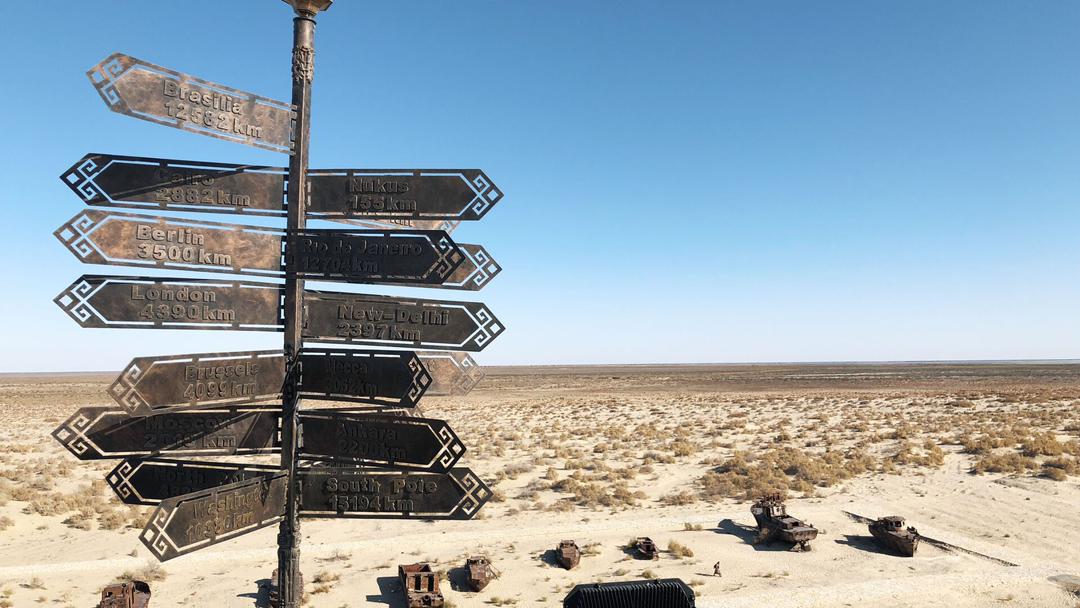
The Aral Sea, once one of the world’s largest inland bodies of water, has undergone a drastic transformation over the past few decades, resulting in an environmental catastrophe of global significance. This scientific article explores the historical context, causes, and ecological consequences of the Aral Sea crisis. The desiccation of the Aral Sea serves as a poignant example of the complex interplay between human activities and environmental degradation, highlighting the urgent need for sustainable management of water resources.
The Aral Sea, situated in Central Asia between Kazakhstan and Uzbekistan, was once the fourth-largest lake globally, covering an area of approximately 68,000 square kilometers. However, the past 50 years have witnessed a dramatic decline in its size, leading to severe environmental, economic, and social consequences for the region.
Historical Context: The roots of the Aral Sea crisis can be traced back to the mid-20th century when the Soviet Union initiated large-scale irrigation projects for cotton cultivation in the arid regions surrounding the sea. The diversion of water from the Amu Darya and Syr Darya rivers, the primary sources feeding the Aral Sea, significantly altered the natural hydrological balance.
Causes of the Aral Sea Desiccation: Multiple factors have contributed to the desiccation of the Aral Sea. Excessive water extraction for agricultural purposes, inefficient irrigation practices, and the absence of sustainable water management strategies have led to a substantial reduction in inflow. Additionally, the evaporation of water due to rising temperatures in the region has exacerbated the crisis.
Ecological Consequences: The desiccation of the Aral Sea has unleashed a cascade of ecological consequences. The shrinking water body has resulted in the salinization of the remaining water, negatively impacting aquatic ecosystems. The loss of habitat has decimated fish populations, leading to the collapse of the once-thriving fishing industry. Dust and salt storms originating from the exposed seabed have caused widespread soil degradation and respiratory health issues for the local population.
Social and Economic Impacts: The Aral Sea crisis has had profound social and economic repercussions on the communities surrounding it. Unemployment and poverty have surged as traditional livelihoods, such as fishing and agriculture, have been rendered unsustainable. Health problems, including respiratory diseases, have become endemic due to the inhalation of dust and salt particles carried by the wind.
Mitigation and Restoration Efforts: Efforts to address the Aral Sea crisis involve both regional and international collaboration. The construction of dams and water reservoirs, improved irrigation practices, and the implementation of sustainable water management policies are critical components of ongoing restoration initiatives. International organizations, NGOs, and governments are working together to fund and execute projects aimed at reviving the Aral Sea ecosystem.
The Aral Sea crisis stands as a stark reminder of the environmental consequences of unsustainable human activities. Addressing this ecological catastrophe requires a holistic approach encompassing regional cooperation, sustainable water management, and community engagement. The ongoing efforts to mitigate the impacts of the Aral Sea crisis provide hope for the restoration of this once-vibrant ecosystem and serve as a valuable lesson for the global community in the pursuit of environmental sustainability.
Lessons Learned: The tragedy of the Aral Sea offers valuable lessons for policymakers, environmentalists, and communities worldwide. It underscores the importance of carefully balancing economic development with environmental sustainability. Unbridled exploitation of natural resources without proper planning and management can lead to irreversible ecological damage, affecting not only local ecosystems but also the well-being of communities dependent on them.Sustainable Water Management: One of the critical takeaways from the Aral Sea crisis is the urgent need for sustainable water management practices. Governments and stakeholders must prioritize the development and implementation of water conservation measures, efficient irrigation technologies, and policies that consider the long-term ecological impact of water use. Integrated water resource management, involving local communities and scientific expertise, is essential to prevent similar disasters in other regions facing water scarcity.
Climate Change Adaptation: The Aral Sea crisis is closely linked to climate change, with rising temperatures exacerbating the evaporation of water and contributing to the region’s aridification. As climate change continues to pose global challenges, it is imperative to develop adaptive strategies that consider the interconnectedness of water resources, ecosystems, and human societies. The Aral Sea serves as a cautionary tale, emphasizing the necessity of climate-resilient policies and infrastructure.
International Collaboration: The Aral Sea crisis transcends national boundaries, emphasizing the need for international collaboration in addressing environmental challenges. Regional cooperation between Central Asian countries, supported by global partnerships, has played a crucial role in ongoing restoration efforts. The experience of the Aral Sea underscores the importance of fostering transboundary cooperation and sharing best practices to tackle shared environmental issues on a global scale.
In conclusion, the Aral Sea crisis stands as a poignant example of the intricate relationship between human activities and the environment. By learning from the mistakes of the past and implementing sustainable practices, we can strive to prevent similar ecological disasters and pave the way for a more harmonious coexistence between humanity and the planet. The restoration of the Aral Sea remains an ongoing endeavor, illustrating the enduring commitment required to heal our planet and preserve its natural wonders.
Allamuratova Gozzal. 1st grade student of the Bachelor’s degree in International journalism at the Uzbekistan state world language University in Tashkent, Uzbekistan. gozalallamuratova@gmail.com
Similar Posts by The Mt Kenya Times:
- Sengwer youth: When will Kenya stop treating a minority like an afterthought?
- When young lives become disposable
- The day death refused to be scammed
- Statement win at the Gtech: Brentford outclass Chelsea to claim all three points
- When disability funds become a frontier for accountability: Kenya’s PWDs refuse to be invisible
About the Author


 Brenda Holo