How to Start the School Term on the Right Foot: Conversations Every Teacher Should Have with Their Students


By: Alex Mwaura
Worth Noting:
- One of the first conversations that we should have with our students is about our expectations and goals. We should communicate clearly what we expect from our students in terms of behavior, attendance, participation, and performance, and also listen to what they expect from us and from the course. We should also help them set realistic and achievable goals for their learning, and provide feedback and guidance on how to reach them.
- Another conversation that we should have with our students is about their interests and passions. We should show interest in their lives, hobbies, dreams, and aspirations, and try to connect them with the curriculum and the learning activities.
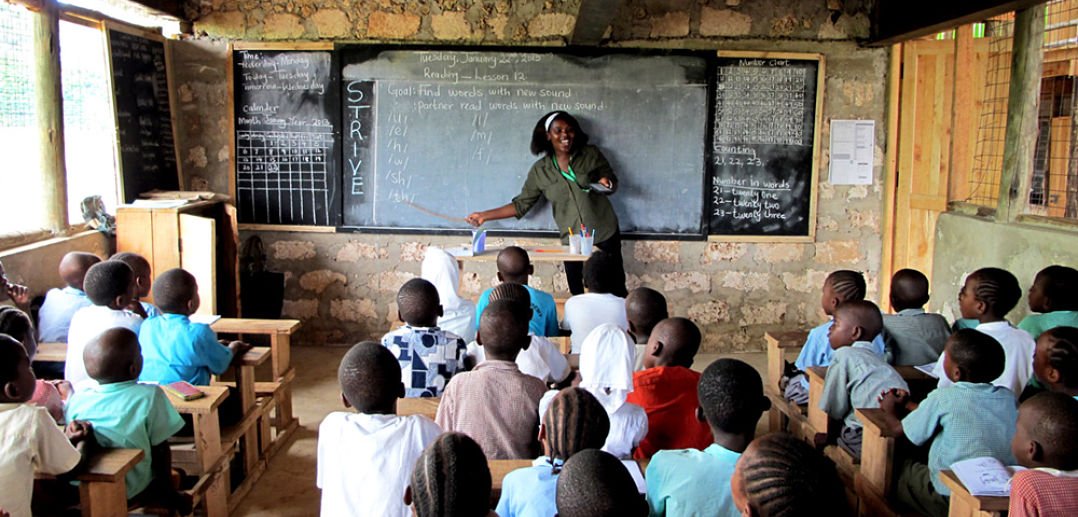
As teachers, we know how important it is to have meaningful conversations with our students. Conversations are not just a way of exchanging information or instructions, but also a way of building relationships, understanding, and trust. Conversations can also influence our students’ motivation, engagement, and achievement, as well as their emotional and social well-being.
This is especially true after a long holiday and a challenging year, when our students may have experienced various changes, difficulties, or uncertainties in their lives. They may have lost some of their academic skills, confidence, or interest. They may have faced some personal, family, or community issues. They may have developed some new habits, hobbies, or goals. They may have questions, concerns, or expectations about the new term, the new class transition, or the new normal.
That is why, as teachers, we need to have some conversations with our students before the term kicks off, to help them adjust, reconnect, and prepare for their learning journey. In this article, I will share with you some of the conversations that I think every teacher should have with their students, and why they are essential for their learning and well-being. I will also provide you with some strategies and resources that you can use to have effective conversations with your students, and to see the positive results.
Conversations about expectations and goals
One of the first conversations that we should have with our students is about our expectations and goals. We should communicate clearly what we expect from our students in terms of behavior, attendance, participation, and performance, and also listen to what they expect from us and from the course. We should also help them set realistic and achievable goals for their learning, and provide feedback and guidance on how to reach them.
This conversation is Important because it can help us and our students to establish a common vision, a shared understanding, and a mutual agreement. It can also help us and our students to monitor and evaluate our progress and achievements, and to celebrate our successes and learn from our failures. It can also help us and our students to create a positive and productive learning environment, where everyone knows what to do, how to do it, and why to do it.
Conversations about interests and passions
Another conversation that we should have with our students is about their interests and passions. We should show interest in their lives, hobbies, dreams, and aspirations, and try to connect them with the curriculum and the learning activities. We should also share our own interests and passions, and show enthusiasm and excitement for our subject and our teaching. This way, we can build rapport and relevance with our students, and foster their curiosity and creativity.
Why is this conversation important? Because it can help us and our students to discover and develop our talents, potentials, and identities. It can also help us and our students to find and create meaning, purpose, and joy in our learning. It can also help us and our students to explore and expand our horizons, perspectives, and possibilities.
Conversations about challenges and difficulties
The last conversation that we should have with our students is about their challenges and difficulties. We should acknowledge and empathize with the struggles and problems that they may face, both inside and outside the classroom. We should also encourage them to share their concerns and feelings, and offer support and solutions. We should also share our challenges and difficulties, and how we cope with them. This way, we can create a safe and supportive environment for our students, and promote their resilience and well-being.
This conversation is important because it can help us and our students to overcome and learn from our challenges and difficulties. It can also help us and our students to develop and strengthen our skills, strategies, and resources. It can also help us and our students to build and maintain our health, happiness, and harmony.
As teachers, we have the power and the responsibility to make a positive difference in our students’ lives and to help them achieve their dreams and aspirations. Let us use our power and responsibility wisely, and let us start the term on the right foot by having meaningful conversations with our students. Are you ready to have these conversations?
Written by,
Alex Mwaura
Intern, Corporate Affairs Office, University of Embu
Similar Posts by The Mt Kenya Times:
- Mt Kenya Times ePAPER August 29-30, 2026
- Old Mutual swings to KSh882M profit as insurance arm ends losing run
- US pumps KSh930M into Kenya police modernisation
- Kalonzo comes to the Coast with a simple, devastating message: You have been betrayed
- Tear gas, shuttered shops and a government out of touch: The KRA tax revolt that could define Kenya’s road to 2027
About the Author