The Pernicious Paradigm: Poverty As The Progenitor Of Societal Malaise An Interdisciplinary Exploration Of Poverty’s Pervasive Impact On Human Civilization
 The Mt Kenya Times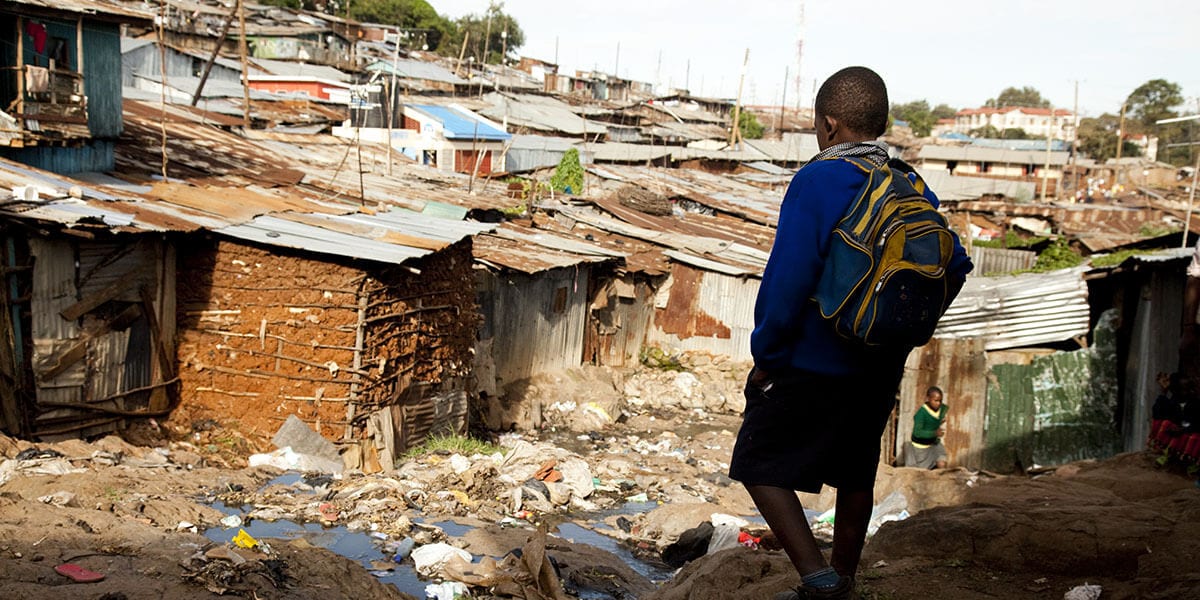
Poverty
By Jerameel Kevins Owuor Odhiambo
Worth Noting:
- This “bandwidth tax,” as Shafir terms it, engenders a myopic focus on immediate needs, often at the expense of future well-being. The resultant short-term decision-making paradigm can lead to a cascade of deleterious choices, ranging from substance abuse to criminal activity, as individuals grapple with the exigencies of survival in an environment of chronic scarcity.
- Moreover, the persistent stress engendered by poverty has been shown to have epigenetic effects, potentially altering gene expression in ways that can perpetuate cycles of poverty and associated maladaptive behaviors across generations, as elucidated by the groundbreaking research of Dr. Moshe Szyf at McGill University.
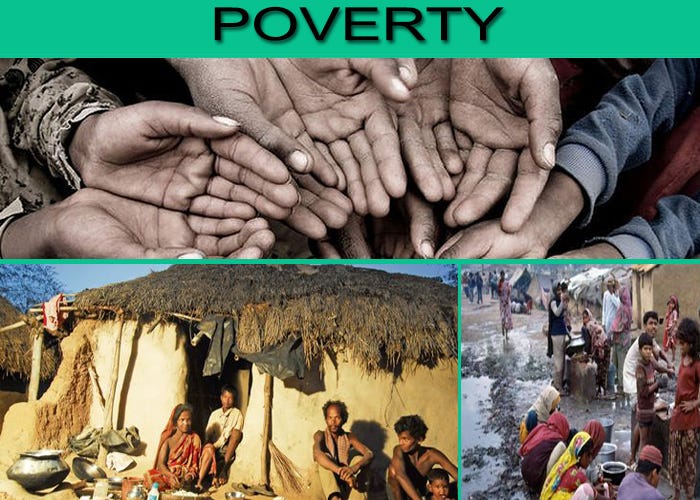 The biblical aphorism that “the love of money is the root of all evil” (1 Timothy 6:10) has long been a subject of philosophical and theological debate. However, this paper posits a more nuanced and perhaps controversial perspective: that poverty, rather than money itself, serves as the primordial wellspring from which the majority of societal ills emanate.
This assertion, while seemingly paradoxical, becomes increasingly cogent when examined through the multifaceted lenses of psychology, sociology, anthropology, law, and the rich tapestry of African literature and art.
By delving into the annals of history, with a particular emphasis on the African continent, we shall elucidate the myriad ways in which poverty has insidiously woven itself into the fabric of human existence, spawning a plethora of social, economic, and moral quandaries that continue to plague our global society.
The psychological ramifications of poverty are both profound and far-reaching, extending tendrils into every aspect of human cognition and behavior.
Dr. Eldar Shafir, professor of psychology and public affairs at Princeton University, posits in his seminal work “Scarcity: Why Having Too Little Means So Much” that poverty imposes a significant cognitive tax on individuals, diminishing their capacity for long-term planning and self-control.
This “bandwidth tax,” as Shafir terms it, engenders a myopic focus on immediate needs, often at the expense of future well-being. The resultant short-term decision-making paradigm can lead to a cascade of deleterious choices, ranging from substance abuse to criminal activity, as individuals grapple with the exigencies of survival in an environment of chronic scarcity.
Moreover, the persistent stress engendered by poverty has been shown to have epigenetic effects, potentially altering gene expression in ways that can perpetuate cycles of poverty and associated maladaptive behaviors across generations, as elucidated by the groundbreaking research of Dr. Moshe Szyf at McGill University.
From a sociological perspective, poverty serves as a crucible in which social bonds are simultaneously strengthened and strained to their breaking point. The renowned French sociologist Pierre Bourdieu’s concept of “habitus” provides a valuable framework for understanding how poverty shapes individual and collective dispositions, creating a self-perpetuating cycle of deprivation.
The “culture of poverty” theory, first proposed by anthropologist Oscar Lewis, while controversial, highlights the ways in which adaptive behaviors necessitated by poverty can become maladaptive when perpetuated across generations. This cultural transmission of poverty-induced behaviors and attitudes can ossify into social structures that resist change, even in the face of well-intentioned interventions.
The resultant social stratification serves as a fertile breeding ground for resentment, crime, and social unrest, as eloquently articulated by sociologist William Julius Wilson in his seminal work “The Truly Disadvantaged.”
The legal ramifications of poverty are equally profound, creating a labyrinthine system in which the impoverished are disproportionately ensnared. Legal scholar Barbara Ehrenreich’s incisive analysis in “Nickel and Dimed” exposes the myriad ways in which poverty effectively criminalizes existence itself, from vagrancy laws that penalize homelessness to the punitive fines and fees that can transform minor infractions into life-altering legal ordeals.
The concept of “poverty penalties,” as elucidated by law professor Peter Edelman, illustrates how the legal system often exacerbates rather than ameliorates the conditions of poverty, creating a Kafkaesque nightmare from which escape becomes increasingly improbable.
This systemic bias against the impoverished not only undermines the fundamental principle of equality before the law but also erodes public trust in legal institutions, potentially fomenting social unrest and vigilantism.
Anthropological studies provide a rich tapestry of evidence supporting the notion that poverty serves as a wellspring of societal ills. The work of cultural anthropologist Paul Farmer in Haiti and Rwanda has demonstrated the intricate links between poverty, structural violence, and public health crises.
Farmer’s concept of “structural violence” elucidates how poverty-induced social arrangements can inflict harm on individuals in ways that are often invisible to casual observation, yet profoundly impactful on life outcomes. Similarly, the research of medical anthropologist Nancy Scheper-Hughes in the favelas of Brazil reveals the ways in which chronic poverty can normalize violence and erode traditional kinship structures, leading to a breakdown of social cohesion and the emergence of alternative, often destructive, forms of social organization.
The annals of African history provide a particularly poignant illustration of poverty’s pernicious effects. The legacy of colonialism, with its systematic extraction of resources and disruption of traditional social structures, created a foundation of poverty that continues to reverberate through African societies.
The work of historian Walter Rodney, particularly his seminal text “How Europe Underdeveloped Africa,” provides a scathing indictment of the ways in which colonial exploitation created and perpetuated cycles of poverty that have proven remarkably resistant to post-independence efforts at amelioration.
The subsequent “resource curse” that has afflicted many African nations, as explicated by political scientist Michael L. Ross, demonstrates how even apparent wealth can, paradoxically, entrench poverty and foment conflict when inequitably distributed.
The impact of poverty on African art and literature cannot be overstated, serving as both muse and antagonist to generations of creators. The works of Ngũgĩ wa Thiong’o, particularly “Petals of Blood,” offer a searing critique of the ways in which poverty can corrupt both individuals and institutions, creating a society in which moral boundaries become increasingly blurred. Similarly, the poetry of Okot p’Bitek, especially his seminal “Song of Lawino,” provides a lyrical exploration of the cultural dissonance and social upheaval engendered by the collision of traditional African values with the poverty-inducing forces of colonialism and modernity.
These literary works serve not merely as artistic expressions but as sociological documents, offering profound insights into the lived experiences of those grappling with the multifaceted impacts of poverty.
The relationship between poverty and conflict in Africa provides a particularly stark illustration of poverty’s role as a progenitor of societal ills. The work of political scientist Paul Collier, particularly his “greed versus grievance” model of civil conflict, elucidates the ways in which poverty creates conditions ripe for exploitation by opportunistic actors.
The Lord’s Resistance Army in Uganda, the Revolutionary United Front in Sierra Leone, and myriad other militant groups across the continent have exploited the desperation engendered by poverty to recruit soldiers and foment conflict.
This symbiotic relationship between poverty and conflict creates a self-perpetuating cycle, with each feeding into and exacerbating the other, as poignantly illustrated in the works of journalist Michela Wrong.
The health implications of poverty in Africa provide yet another lens through which to view its role as a source of societal malaise. The HIV/AIDS epidemic, which has ravaged much of sub-Saharan Africa, is inextricably linked to conditions of poverty, as elucidated by the research of epidemiologist James Chin.
Poverty-induced malnutrition, lack of access to healthcare, and the breakdown of traditional social support structures have all contributed to the spread and impact of the disease. Moreover, the economic devastation wrought by the epidemic has, in turn, deepened poverty, creating a pernicious feedback loop that continues to challenge public health efforts across the continent.
The environmental consequences of poverty in Africa provide a sobering illustration of its far-reaching impacts. The work of environmental economist Edward B. Barbier highlights the ways in which poverty-induced resource exploitation can lead to environmental degradation, which in turn exacerbates poverty.
This “poverty-environment trap,” as Barbier terms it, is particularly evident in the deforestation of the Congo Basin and the desertification of the Sahel region. These environmental changes, driven by the immediate needs of impoverished populations, have long-term consequences that further entrench poverty and potentially sow the seeds for future conflicts over increasingly scarce resources.
The impact of poverty on education in Africa serves as a poignant example of how deprivation in one generation can perpetuate cycles of disadvantage. The work of development economist Esther Duflo has demonstrated the myriad ways in which poverty impedes access to and quality of education.
From the opportunity costs that keep children out of school to the cognitive impacts of malnutrition on learning capacity, poverty creates a multifaceted barrier to educational attainment. This educational deficit, in turn, limits economic opportunities, creating an intergenerational transmission of poverty that proves remarkably resistant to intervention.
The role of poverty in driving migration, both within Africa and to other continents, provides yet another illustration of its far-reaching societal impacts.
The work of migration scholar Stephen Castles elucidates the complex interplay between poverty, conflict, and environmental degradation in driving human movement. These migration flows, while often a rational response to local conditions of scarcity, can strain resources and social cohesion in receiving areas, potentially sowing the seeds for future conflicts.
Moreover, the brain drain associated with the emigration of skilled professionals from impoverished regions creates a self-reinforcing cycle of underdevelopment, as articulated by economist William Easterly.
In examining the multifaceted impacts of poverty, it becomes clear that its tentacles reach into every aspect of human existence, from the psychological to the sociological, from the legal to the environmental.
The works of African literary giants Chinua Achebe and Wole Soyinka provide a fitting denouement to this exploration. Achebe’s “Things Fall Apart” offers a poignant illustration of how poverty, both material and cultural, can erode traditional social structures and values, leading to a societal disintegration that resonates far beyond the immediate economic sphere.
Soyinka’s play “Death and the King’s Horseman” similarly explores the psychological and cultural impacts of poverty-induced social change, demonstrating how economic deprivation can lead to a poverty of spirit that is perhaps even more pernicious than material want.
As we grapple with the complex challenges of the 21st century, it behooves us to recognize poverty not merely as a symptom of societal dysfunction, but as a fundamental driver of the myriad ills that plague our global community. Only by addressing this root cause can we hope to create a more equitable, stable, and prosperous world for all.
The writer is a legal researcher and lawyer
Similar Posts by The Mt Kenya Times:
- Mt Kenya Times ePAPER October 19, 2026
- DCP takes healthcare pledge to Murang’a heartland
- Sifuna bets his political life on a presidential run
- Ruto turns Nandi rally into opposition assault as 2027 battle lines harden
- Kenya’s Ebola cases climb to eight as outbreak spreads beyond health workers
About the Author