Kericho Governor’s Impeachment Saga: A Test Of Accountability And Leadership

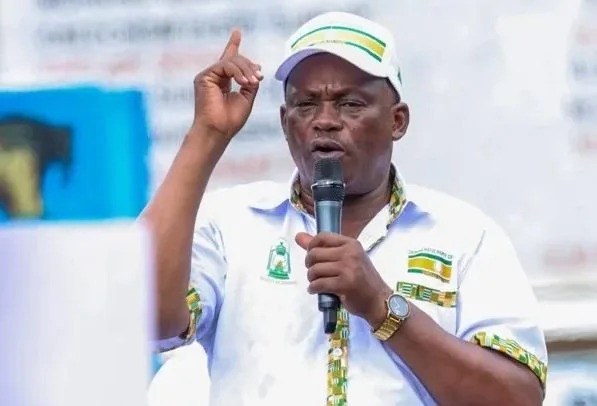
Kericho Governor Eric Mutai

By: James Kilonzo Bwire
The recent developments surrounding Kericho Governor Eric Mutai’s impending impeachment have once again shaken the political landscape in Kenya. The motion, spearheaded by Sigowet MCA Kiprotich Rogony and supported by a significant majority of the County Assembly, accuses Mutai of serious misconduct, including the misappropriation of funds intended for victims of the Londiani tragedy and gross violations of both national and county laws. As the governor pleads for mercy, this situation raises critical questions about accountability, governance, and the political dynamics at play in Kericho County.
Governor Mutai’s emotional appeal to the MCAs during a recent funeral service highlights the gravity of his predicament. In a rare moment of vulnerability, he implored the assembly members to reconsider their decision, reminding them of his contributions to their political careers and invoking his role as a father. This display of emotion is significant in a political culture often characterized by bravado and detachment. It underscores the human element in governance, where leaders are not just figures of authority but individuals with families and personal stakes in their roles.
The allegations against Mutai are serious and multifaceted. They include claims of mismanagement of funds intended for disaster relief, illegal tender awards, and creating a hostile work environment for county officials. The accusations paint a picture of a leader who has not only failed to uphold the principles of transparency and accountability but has also allegedly enriched himself at the expense of public trust. Such allegations are not merely personal attacks; they reflect broader systemic issues within Kenya’s governance framework, where corruption and mismanagement frequently undermine public confidence in elected officials.
The support for the impeachment motion—37 out of 47 MCAs—indicates a significant loss of confidence in Mutai’s leadership. This level of dissent among assembly members suggests that his administration may have alienated key political allies, exacerbating an already precarious situation. The underlying tensions between Mutai and his deputy further complicate matters, revealing fractures within the leadership that could have contributed to the current crisis. The fallout from these internal conflicts not only jeopardizes Mutai’s position but also raises concerns about effective governance in Kericho County.
As the assembly prepares for a hearing on October 2, it is essential to consider the implications of this impeachment motion beyond Mutai’s fate. Should he be removed from office, it would set a precedent for how similar cases are handled in the future. The outcome could embolden other MCAs to pursue impeachment motions against governors who fail to meet their expectations or adhere to ethical standards. Conversely, if Mutai successfully defends himself against these allegations, it may reinforce perceptions of impunity among political leaders, further eroding public trust in governance.
The situation also reflects broader societal issues regarding accountability and transparency in Kenyan politics. Citizens are increasingly demanding that their leaders be held accountable for their actions, particularly when public resources are involved. The public outcry surrounding this case demonstrates a growing awareness among constituents about the importance of ethical leadership and responsible governance. As such, this impeachment motion could serve as a litmus test for how seriously Kenya’s political institutions take these demands.
Moreover, Governor Mutai’s plea for compassion resonates with many Kenyans who recognize that leadership is fraught with challenges and mistakes are inevitable. His call for understanding reflects a desire for a more empathetic political culture—one that acknowledges human fallibility while holding leaders accountable for their actions. This perspective is crucial as Kenya navigates its complex political landscape, where power struggles often overshadow substantive governance.
In conclusion, the impending impeachment motion against Governor Eric Mutai is not merely an isolated incident; it encapsulates broader themes of accountability, leadership challenges, and political dynamics within Kenya. As he faces this critical juncture in his career, it remains to be seen whether he can effectively counter these serious allegations and restore confidence among his supporters and constituents. Regardless of the outcome, this situation serves as a reminder that effective governance requires not only adherence to legal frameworks but also a commitment to ethical leadership that prioritizes public trust above personal ambition.
The title “Kericho Governor’s Impeachment Saga: A Test of Accountability and Leadership” effectively captures the essence of this complex situation. It highlights the gravity of the allegations against Mutai, the political dynamics at play, and the broader implications for governance in Kenya. The title also suggests that this impeachment motion is more than just a personal battle for Mutai; it is a test of the country’s commitment to holding its leaders accountable and promoting ethical leadership.
James Kilonzo Bwire is a Media and Communication Practitioner.
Similar Posts by The Mt Kenya Times:
- From job seekers to job creators: Africa needs a new bargain between universities, governments and business
- BALLOTS, BULLETS AND THE PRICE OF A WARD
- Mt Kenya Times ePAPER October 24-25, 2026
- Muturi calls on IEBC to keep election technology tender clean and on schedule
- Ruto meets UAE minister in push to deepen trade ties
About the Author