The Mt Kenya Times
By: Silas Mwaudasheni Nande
Introduction
Leadership today is vastly different from the past. The rapid pace of technological advancements, global interconnectedness, and evolving workforce dynamics demand leaders to remain agile, knowledgeable, and adaptable. Gone are the days when leaders could rely solely on traditional experience; now, an ‘updated mind’ – one that is constantly improving and evolving – is a prerequisite for effective leadership.
This article explores why leaders must commit to lifelong learning, how upgrading their skill sets enhances their effectiveness, and which aspects of leadership require continuous development to align with the demands of the modern era.
Why Leaders Must Continuously Upgrade Themselves
1. Navigating Complexity in the Digital Age
The 21st century presents unprecedented challenges in governance, business, and public service. Digital transformation has reshaped industries, requiring leaders to understand emerging technologies such as artificial intelligence, automation, and data-driven decision-making. A leader who fails to upgrade their knowledge in these areas risks being obsolete.
2. Enhancing Decision-Making and Problem-Solving
Leadership effectiveness is rooted in sound decision-making. In today’s rapidly changing environment, the ability to analyze complex issues, synthesize information, and make informed decisions is crucial. Leaders who cultivate critical thinking and problem-solving skills through continuous education gain a competitive edge.
3. Keeping Up with Global Trends
From climate change policies to shifting geopolitical landscapes, leaders must remain well-versed in global trends. Upgrading their knowledge through research, industry insights, and international collaborations ensures they stay ahead and make decisions that reflect modern realities.
4. Developing Emotional Intelligence and Adaptive Leadership
Technical skills alone are insufficient. The modern leader must demonstrate emotional intelligence – empathy, self-awareness, and interpersonal skills – to effectively manage teams and stakeholders. Leadership programs focusing on emotional intelligence, conflict resolution, and adaptive leadership help leaders navigate organizational challenges.
5. Strengthening Communication and Influence
A leader’s ability to communicate with clarity, conviction, and credibility significantly impacts their effectiveness. Whether addressing employees, engaging with policymakers, or influencing stakeholders, continuous improvement in communication skills – including public speaking and digital communication – is a necessity.
Key Areas for Leadership Upgrades in the 21st Century
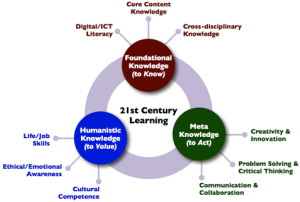 1. Expanding Knowledge Through Lifelong Learning
The best leaders commit to continuous learning, whether through executive education, specialized workshops, or self-study. Enrolling in leadership courses, attending seminars, and staying engaged with professional literature helps leaders refine their perspectives.
2. Embracing Technology and Digital Literacy
Leaders must familiarize themselves with digital tools and platforms that enhance productivity. Understanding data analytics, artificial intelligence applications, and automation systems ensures they harness technology for efficiency and innovation.
3. Mastering Change Management and Innovation
Change management is an essential leadership skill, particularly in times of uncertainty. Leaders must learn how to drive innovation, lead transformation initiatives, and foster a culture of adaptability within their organizations.
4. Strengthening Ethical Leadership and Corporate Governance
In an era of increased corporate responsibility, leaders must uphold ethical standards and good governance practices. Studying frameworks such as corporate social responsibility (CSR), ethical leadership, and sustainability policies strengthens their integrity and decision-making.
5. Networking and Collaborative Leadership
Leaders should engage with global networks and industry peers to exchange insights, develop strategic partnerships, and enhance collaborative leadership. Attending leadership forums, participating in think tanks, and forming professional alliances broadens their perspectives.
Practical Steps for Leaders to Upgrade Themselves
- Commit to Ongoing Education – Enroll in leadership courses, pursue relevant certifications, and engage with thought leadership resources.
- Stay Informed – Regularly read industry reports, research papers, and books related to leadership, governance, and emerging trends.
- Cultivate Mentorship and Coaching – Seek guidance from experienced mentors or hire executive coaches to refine leadership strategies.
- Invest in Technology Training – Acquire knowledge in digital tools, data analysis, and AI-driven decision-making.
- Prioritize Well-being and Resilience – Leadership effectiveness hinges on mental and emotional resilience. Engaging in wellness practices and stress management programs contributes to sustained effectiveness.
Conclusion
Leadership in the 21st century demands more than experience – it requires continuous growth, adaptability, and strategic learning. By upgrading their knowledge, skills, and perspectives, leaders position themselves to navigate complexities, drive transformation, and make a meaningful impact in their respective fields. The evolving leadership landscape necessitates an ‘updated mind,’ ensuring leaders remain relevant, effective, and visionary in a rapidly changing world.
Similar Posts by The Mt Kenya Times:
- Mt Kenya Times ePAPER September 29, 2026
- Kenya’s ageing crisis: Act now or pay later
- NYS fights to save KSh2.1B Nakuru road deal in court
- Leaders rally round Karua after father’s death
- Lamu residents: Compensate us first
About the Author