A Meeting Of Minds Or A Mirage? The Politics Of Morara Kebaso And Rigathi Gachagua

Inject Party Leader Morara Kebaso and former Deputy President Rigathi Gachagua

The meeting between Inject Party Leader Morara Kebaso and former Deputy President Rigathi Gachagua has drawn attention as Kenya grapples with a deeply polarized political climate. Framed as a dialogue on governance reforms and the realities of Kenyan politics, the encounter raises critical questions about its potential to bridge divisions or whether it is yet another symbolic gesture in a political system often criticized for prioritizing elite interests over substantive change.
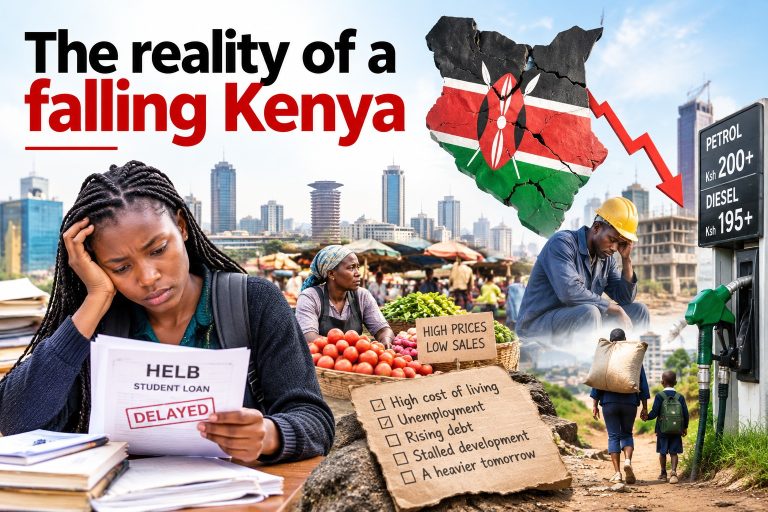
Kenya’s political history is littered with reform promises that rarely translate into meaningful action. From the 2008 National Dialogue to the Building Bridges Initiative (BBI), such efforts have often been derailed by self-serving political maneuvering. The impeachment of Gachagua in 2024, amid allegations of corruption and divisive rhetoric, further exemplifies the selective accountability that has eroded public trust in governance. Meanwhile, economic hardships, youth-led protests, and widespread discontent with systemic corruption underscore a growing demand for transformative leadership.
Kebaso’s engagement with Gachagua could be interpreted as an effort to foster dialogue in a nation where political discourse is increasingly adversarial. However, skeptics argue that such meetings often serve as strategic alignments ahead of elections, rather than addressing Kenya’s pressing challenges—rising debt, unemployment, and economic inequality. The reality is stark: Kenya’s fiscal constraints and governance inefficiencies require bold reforms that prioritize public welfare over political expediency.
For many Kenyans, particularly the youth, there is growing frustration with a system that perpetuates power consolidation while neglecting accountability. Recent protests against high living costs and corruption reflect a populace yearning for leaders who can deliver tangible solutions. In this context, meetings like the one between Kebaso and Gachagua will only resonate if they result in actionable reforms rather than empty rhetoric.
The path forward requires more than symbolic gestures. Kenya’s leaders must confront entrenched systems of patronage and corruption while addressing economic disparities that fuel public discontent. Whether this meeting signals a genuine commitment to reform or merely another chapter in Kenya’s history of political posturing remains to be seen. For now, the skepticism surrounding such engagements is not without merit. Only time will reveal whether this dialogue marks the beginning of meaningful change or just another mirage in Kenya’s complex political landscape.
James’ Bwire Kilonzo is a Media and Communication Practitioner.
Similar Posts by The Mt Kenya Times:
- Diaspora Times Global Oct 24 – Oct 30, 2026
- America’s baby bust: U.S. birth rate hits record low as women choose later motherhood
- Literary Outreach Incubation Program Instills The Culture From Book Adaption To Spoken Words
- Why starting school too early is failing our children
- Who defines Africa’s destiny? The western lens, African compliance and the struggle for intellectual sovereignty
About the Author