The question society keeps asking women — and why it needs to stop
By Collins Kibet
There is a question that follows many women through their adult lives with a persistence that no career achievement, academic distinction or personal milestone seems to silence. It arrives at family gatherings, in offices, across social media and in conversations that begin with something else entirely. “When are you having children?” For countless women, it is not experienced as casual curiosity. It lands as a verdict — a reminder that regardless of what she has built or become, society has already decided what a woman’s life is supposed to look like.
The assumption embedded in that question is rarely examined. Motherhood, in the framework many societies still operate within, is not simply one possible path among many. It is the destination. Marriage leads to it. Womanhood is completed by it. A woman who arrives at a certain age without children may find that the questions, which began gently enough, gradually harden into something closer to judgement. Relatives, neighbours and colleagues feel licensed to comment on a private circumstance that belongs entirely to the woman herself. What should be a personal matter becomes a public audit.
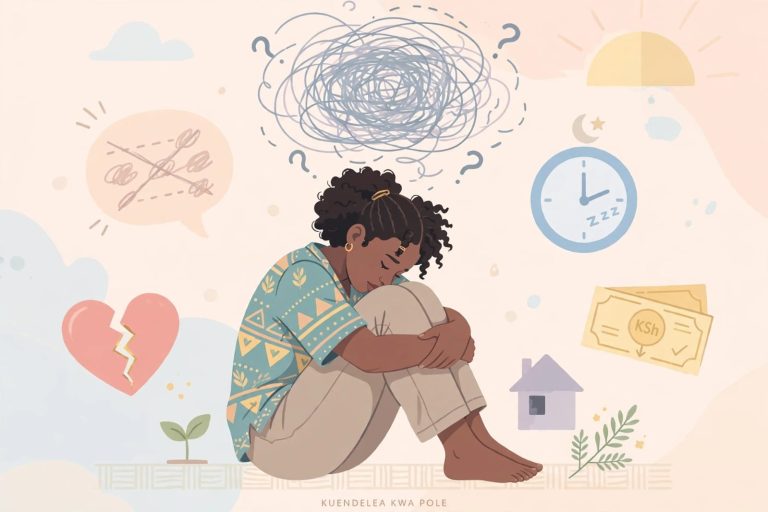
For some women, that pressure carries an additional cruelty. There are women who want children deeply and cannot have them. Infertility and reproductive challenges are medical realities that affect individuals and couples in ways that are rarely straightforward. Yet rather than compassion, such women may encounter blame, gossip and social marginalisation — treated as though they have failed at a duty rather than faced a difficulty. The emotional weight of that experience, compounded by public scrutiny, can be devastating.
Others carry stories that the people asking questions will never know. Financial instability, health challenges, the demands of caring for ageing relatives, the pursuit of education or the deliberate decision to establish professional foundations before considering parenthood — these are all legitimate circumstances that rarely feature in the social arithmetic applied to women of a certain age. Society tends to see only the absence of a child. It rarely pauses to consider what is actually present in that woman’s life.
And then there are women who have simply decided that motherhood is not what they want. That decision can be difficult for some to understand, but comprehension is not a prerequisite for respect. A woman who chooses a child-free life is not broken, selfish or incomplete. She has made a decision about her own existence, and that decision deserves the same dignity extended to any other personal choice.
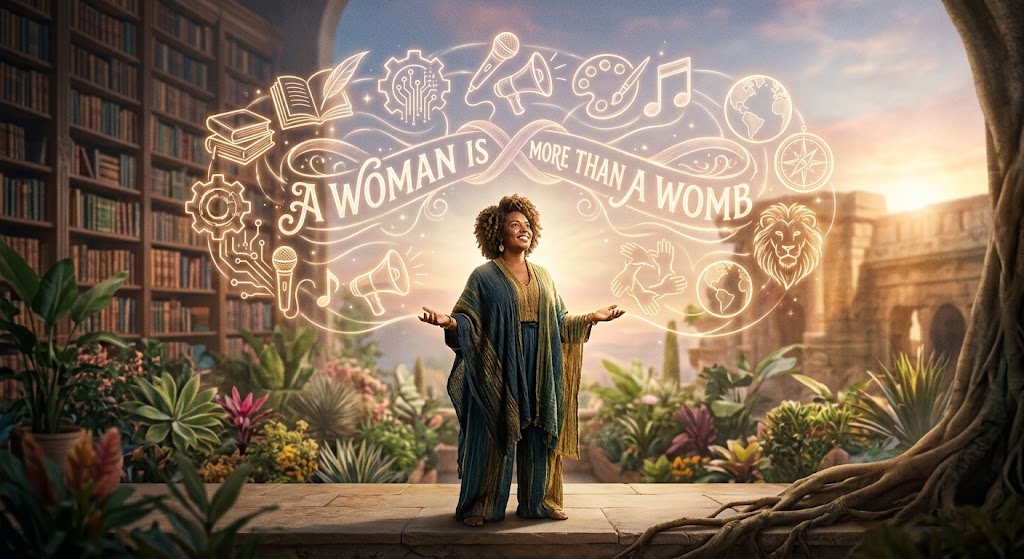
What makes the pressure around motherhood particularly revealing is what it exposes about how society constructs the idea of womanhood itself. Women are routinely expected to occupy multiple roles simultaneously — devoted daughter, supportive wife, present mother, accomplished professional, engaged community member — and to perform each without visible strain. When motherhood is then positioned as the definitive proof of a life well lived, every other achievement is implicitly ranked below it. The woman who has spent years educating hundreds of children, the one who built a business and created employment, the journalist who gave voice to the voiceless, the researcher whose work changed lives — are their contributions genuinely diminished because they did not give birth? The suggestion is absurd, yet it is the logical conclusion of valuing women primarily through their reproductive choices.
The same principle deserves to be applied to women who are mothers. Motherhood is one dimension of a woman’s identity, not the sum of it. A mother remains an individual with ambitions, opinions, talents and a life that extends beyond her children. Society should be as willing to see the whole person in a mother as it should be in a woman without children.
The conversation, therefore, needs to change — not to diminish the importance of families or to suggest that motherhood is anything less than the profound undertaking it is. Raising a child requires patience, sacrifice, financial commitment and emotional reserves that most people underestimate until they are called upon. Mothers deserve recognition and support. But appreciation for motherhood is a fundamentally different thing from making it compulsory evidence of a woman’s worth.
Economic realities also demand acknowledgement. Responsible parenthood requires resources — food, healthcare, education, stability. In an environment where many young people struggle to meet basic living costs and secure reliable employment, decisions about if and when to have children involve calculations that older social expectations were not designed to accommodate. Pressuring people into parenthood without regard for their circumstances does not strengthen families. It creates hardship.
What is needed is not a campaign against motherhood. It is a wider and more honest recognition that women build meaningful lives in different ways, that personal circumstances are more complex than social expectations allow for and that a woman’s worth was never something that needed to be earned through reproduction.
A woman is a complete human being before she becomes a mother. She remains one if she never does. Her value is not created in a delivery room and it does not expire in its absence. The measure of her life is the life she has lived, the people she has reached and the person she has chosen to become.
Perhaps the more useful question — the one society has been slow to ask — is not whether a woman has met the expectations placed upon her, but whether she has been given the freedom and the opportunity to build something that is genuinely hers.
Similar Posts by The Mt Kenya Times:
- Mt Kenya Times ePAPER October 3, 2026
- Ruto puts Coast landlords on notice over squatter harassment
- Nairobi lights candles for Raila in Uhuru Park tribute
- Jambojet returns to Entebbe with daily flights and fares from KSh22,950
- From Lamu to the region: What the Dangote Refinery could mean for Kenya’s energy economy
About the Author