
By: James Kilonzo Bwire
In an era where information flows freely and rapidly, the intersection of media and diplomacy has never been more critical. Prime Cabinet Secretary and Cabinet Secretary for Foreign Affairs, Musalia W. Mudavadi, has emphasized the essential role of media in shaping public opinion and driving international narratives. His assertion that the Ministry is committed to enhancing Kenya’s global image through effective communication is a timely reminder of the media’s power in foreign relations.
The media is not merely a conduit for information; it is a formidable force that can influence perceptions and drive diplomatic agendas. David Omwoyo, CEO of the Media Council of Kenya, echoed this sentiment by urging the media to practice responsible reporting and strategic communication to advance the country’s foreign policy. This call to action highlights the media’s centrality in building global partnerships and influencing how Kenya is perceived internationally.
As Kenya seeks to project its interests on the global stage, effective media engagement becomes a vital tool for soft power diplomacy. This approach aligns with the country’s foreign policy objectives, which aim to promote peace, security, and economic cooperation. By leveraging media strategically, Kenya can enhance its visibility and assert its position as a key player in regional and global affairs.
The emphasis on responsible journalism is crucial in countering misinformation and promoting a balanced narrative about Kenya’s initiatives and policies. A culture of transparency and accountability within the media can significantly bolster public trust in government actions, thereby strengthening diplomatic efforts. Research indicates that the media plays a complementary role in shaping foreign policy outcomes, making it imperative for government entities to collaborate effectively with media organizations.
Moreover, as political dynamics shift globally, the need for a coherent narrative that reflects Kenya’s aspirations becomes paramount. The partnership between government and media can facilitate this narrative-building process, allowing for a unified front in addressing both domestic and international challenges. For instance, as highlighted in various studies, including those from the University of Nairobi, effective communication strategies can help mitigate misunderstandings that arise during diplomatic negotiations.
In light of recent geopolitical developments, such as rising tensions in Eastern Africa and shifting alliances, it is essential for Kenya to harness its media capabilities to navigate these complexities. By fostering dialogue and collaboration between government officials and journalists, Kenya can ensure that its foreign policy goals are communicated effectively and resonate with both local and international audiences.
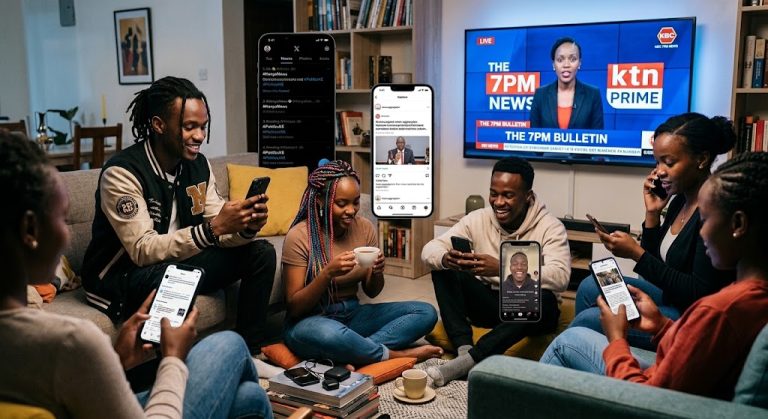
The potential for media diplomacy extends beyond traditional reporting; it encompasses digital platforms that engage younger demographics who are increasingly influential in shaping public opinion. Embracing new communication technologies—such as social media—can enhance outreach efforts and foster greater engagement with citizens. This strategy aligns with the findings of recent studies on media’s impact on foreign policy decision-making in Kenya, which suggest that utilizing digital platforms can bridge gaps between policymakers and the public.
Furthermore, establishing a strong regional media network could amplify Kenya’s voice in international forums. A well-coordinated approach to media diplomacy would allow for more effective dissemination of information regarding Kenya’s foreign policy initiatives while also facilitating greater collaboration with neighboring countries. This could be particularly beneficial in addressing shared challenges such as climate change, security threats, and economic development.
As part of this strategy, training diplomats on effective media relations becomes crucial. Equipping government officials with skills to engage with journalists will not only improve communication but also ensure that accurate information reaches the public. Such training could include workshops on strategic messaging, crisis communication, and understanding the evolving media landscape.
In conclusion, as Musalia W. Mudavadi leads efforts to amplify Kenya’s global voice, it is imperative that the media be recognized as an essential ally in this endeavor. By prioritizing responsible journalism and strategic communication, Kenya can not only enhance its international image but also contribute to a more informed public discourse. The future of Kenya’s diplomatic efforts hinges on this collaboration—one that promises to elevate the nation’s standing on the world stage while fostering unity at home.
As we move forward into an increasingly interconnected world, it is clear that the synergy between government initiatives and media engagement will play a pivotal role in shaping not only how Kenya is viewed internationally but also how effectively it can advocate for its interests on global platforms. The commitment to fostering this relationship will ultimately determine how well Kenya navigates the complexities of modern diplomacy while remaining true to its values and aspirations as a nation committed to peace, prosperity, and cooperation.
James Kilonzo Bwire is a Media and Communication Practitioner.
Similar Posts by The Mt Kenya Times:
- Kindiki defends Kenya Kwanza record: Can projects alone define a government?
- Botswanan writer lands in Nairobi: Dr. Otukile visits the country that gave her first break
- Kakuzi birdwatching tour ends in triumph as Japanese royalty sights rare migratory birds
- KSh6.4 million up for grabs as MKU searches for its most impactful alumni
- South Sudan: A test of leadership
About the Author