Combating Climate Change: A Global Imperative For Sustainable Survival
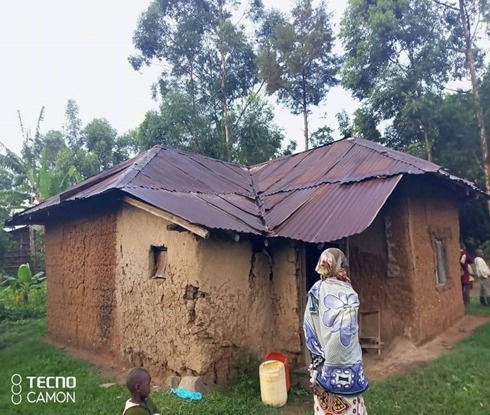
Harmfull gasses emitted to the environment react with rain water to form acid rains that corrodes iron sheets and makes plants to have stunted growth.

 Climatic change, commonly referred to as climate change, is one of the most pressing challenges facing humanity today. It encompasses a range of long-term shifts in temperature, precipitation patterns, sea levels, and other aspects of the Earth’s climate system. This phenomenon is primarily driven by human activities, particularly the emission of greenhouse gases such as carbon dioxide, methane, and nitrous oxide into the atmosphere.
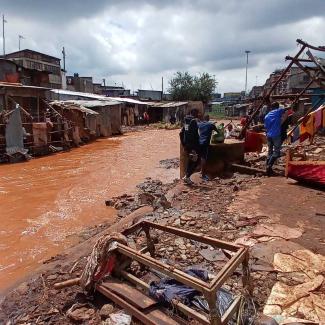
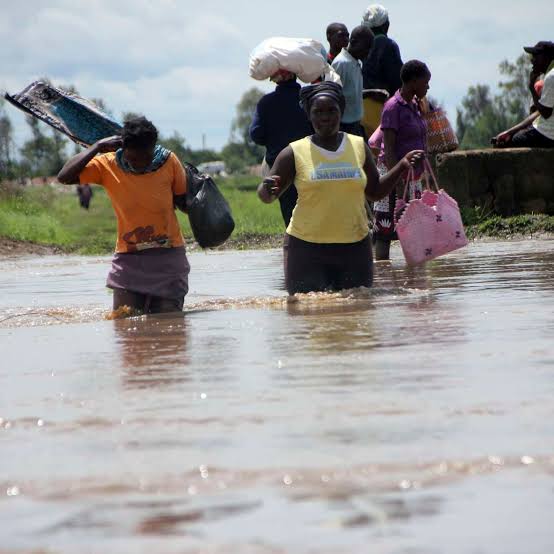
The consequences of climatic change are far-reaching and profound. Rising global temperatures have led to more frequent and intense heatwaves, altering ecosystems, and endangering vulnerable species. Melting glaciers and ice sheets contribute to rising sea levels, posing threats to coastal communities and island nations. Changes in precipitation patterns lead to extreme weather events, including more severe hurricanes, droughts, and flooding, with devastating impacts on agriculture, water resources, and infrastructure.
Addressing the climatic change crisis requires a multi-faceted approach, involving international cooperation, policy changes, technological advancements, and individual efforts. One of the key solutions lies in transitioning to renewable energy sources such as solar, wind, and hydropower. This shift away from fossil fuels would significantly reduce greenhouse gas emissions and mitigate the drivers of climatic change.
Another crucial aspect is the adoption of sustainable land use and forestry practices. Forests act as carbon sinks, absorbing CO2 from the atmosphere, so protecting and restoring forests is essential. Additionally, promoting sustainable agriculture and reducing deforestation can help prevent further degradation of ecosystems and biodiversity loss.
International agreements and policies play a pivotal role in addressing climate change. The Paris Agreement, for instance, outlines commitments from nations to limit global temperature rise and enhance climate resilience. Governments must work together to set and achieve emission reduction targets, while also providing support to vulnerable countries in adapting to the impacts of climatic change.
Individual actions are also vital in this fight. By reducing energy consumption, using public transportation, and adopting more sustainable lifestyle choices, individuals can collectively contribute to reducing carbon footprints. Raising awareness and educating the public about the importance of climate change can foster a sense of responsibility and drive further actions.
Technological innovations are key in developing solutions to the crisis. Advances in carbon capture and storage, renewable energy storage, and sustainable agriculture practices can significantly mitigate the impact of human activities on the environment. Investing in research and development of these technologies is essential for a sustainable future.
In conclusion, climatic change poses a serious threat to the planet and its inhabitants. However, by implementing a combination of strategies, including transitioning to renewable energy sources, adopting sustainable land use practices, international cooperation, and individual efforts, we can work towards mitigating its effects. It’s a collective responsibility that requires immediate and sustained action to ensure a habitable planet for future generations.
By Ruth Adhiambo, Rongo University
Similar Posts by The Mt Kenya Times:
- When universities shut down, small traders pay the price
- Sociolinguistic factors in the use of English Barbarisms among Uzbek youth
- Gachagua’s silent return: The emerging political temperament that could redefine Kenya’s 2027 elections
- When comradeship saves a life
- Not every struggling student is lazy
About the Author