Empowering Youth Through Technical Training: The Key To Reducing Unemployment In Kenya
 The Mt Kenya Times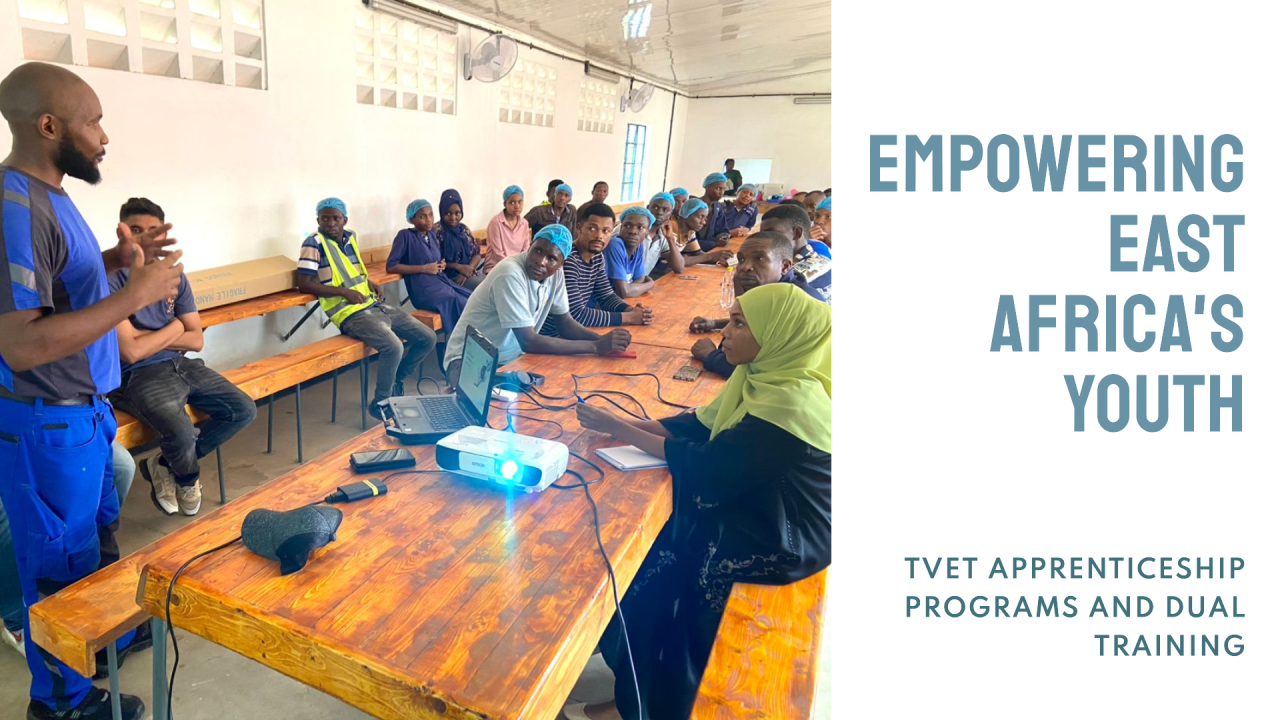
By: David Nyaga
In recent years, Kenya has witnessed a growing mismatch between university education and the job market. Thousands of graduates leave universities every year, clutching degrees but facing the grim reality of limited job opportunities. Meanwhile, those who pursue technical courses such as plumbing, electrical installation, hairdressing, and welding often find themselves better positioned in the job market or even self-employed shortly after graduation.
Technical and vocational education and training (TVET) institutions offer practical skills that are directly applicable to the needs of the market. Unlike degree holders who often wait for white-collar jobs that may take years to come, artisans and technicians can quickly establish themselves as entrepreneurs or be absorbed into ongoing construction, industrial, or service-sector projects.
Plumbing, for instance, remains one of the most demanded skills in the construction and water sectors. Electrical technicians are essential in residential, commercial, and industrial settings. Hairdressers and beauty therapists, with the right skills and tools, can start their own businesses almost immediately. These trades offer daily income and grow with experience.
It is time Kenya shifts focus and invests more in technical education. These courses should be enhanced, subsidized, and encouraged among the youth. By doing so, the country can reduce unemployment, create a culture of self-reliance, and build a stronger, more inclusive economy.
Degrees are still valuable, but not everyone must follow the same path. In today’s Kenya, a toolkit might just be more powerful than a graduation gown.
Similar Posts by The Mt Kenya Times:
- When viral fame finds ordinary Kenyans: The night the internet decides you are famous
- Mt Kenya Times ePAPER September 17, 2026
- Ruto and Uhuru: The rupture at the heart of Kenya’s 2027 election
- Gakoromone traders and rights group demand closure of sewage discharge
- Retirement is not disenfranchisement: Reclaiming the constitutional rights of Kenya’s former presidents
About the Author