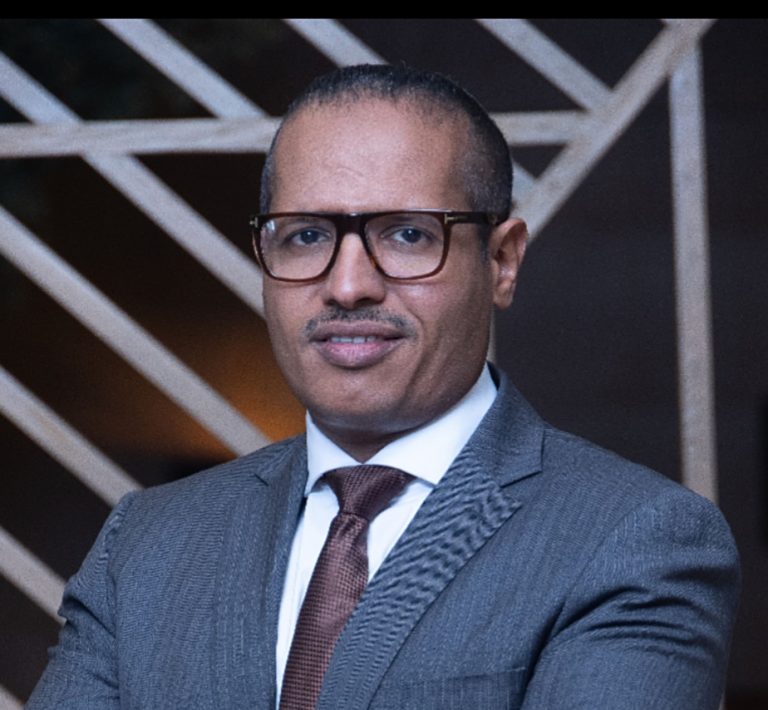
KEBS strengthens Africa’s quality infrastructure under Ngari’s leadership
 The Mt Kenya Times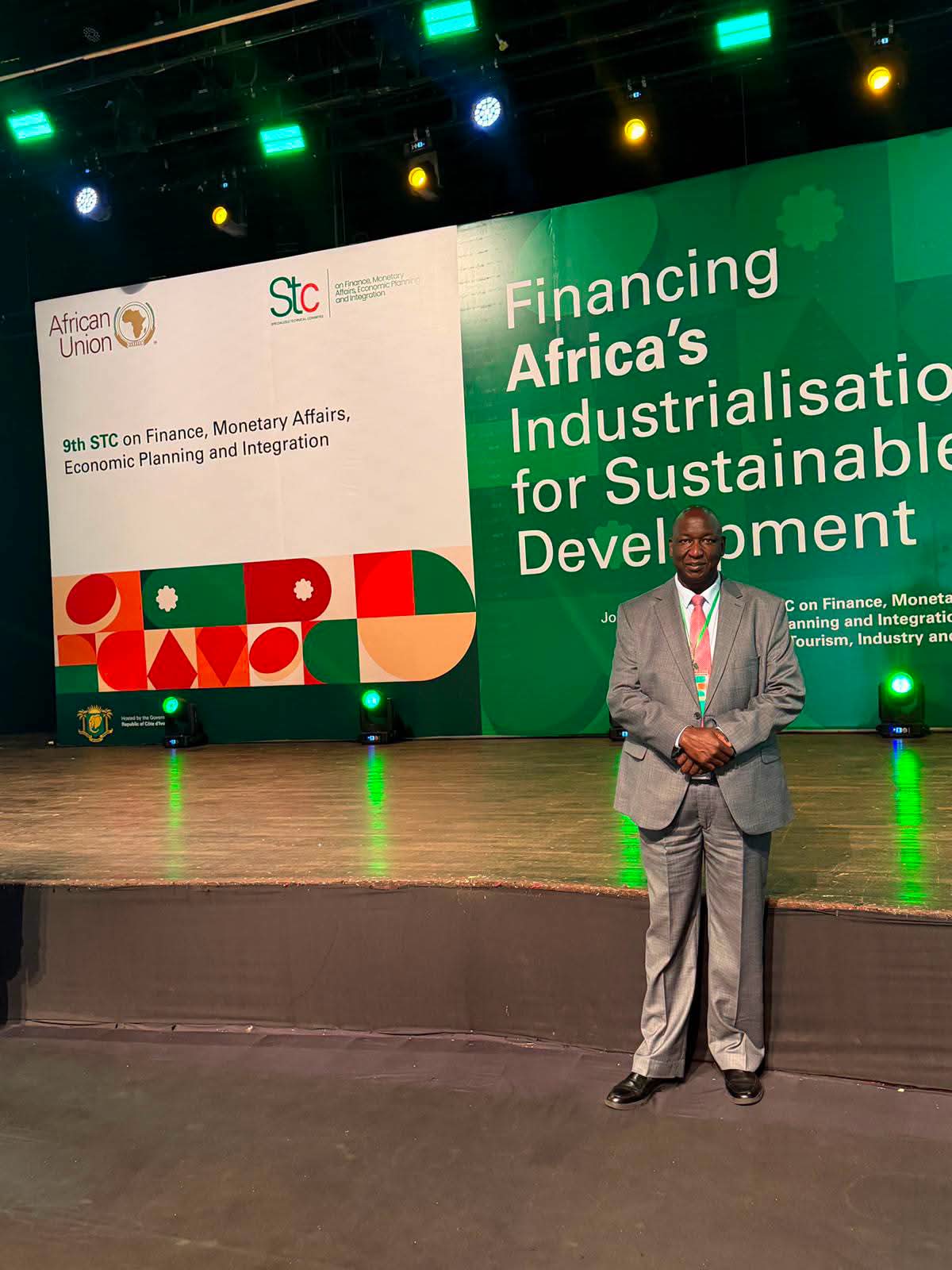
Director of Metrology and Testing Henry Rotich
Kenya’s standards body is quietly becoming one of the continent’s most influential voices on trade, metrology and industrial competitiveness.
By John Kariuki
The Kenya Bureau of Standards is cementing its position as a regional leader in quality infrastructure, with Director of Metrology and Testing Henry Rotich representing the country at the 5th Specialised Technical Committee Meeting on Trade, Tourism, Industry and Minerals in Abidjan, Côte d’Ivoire.
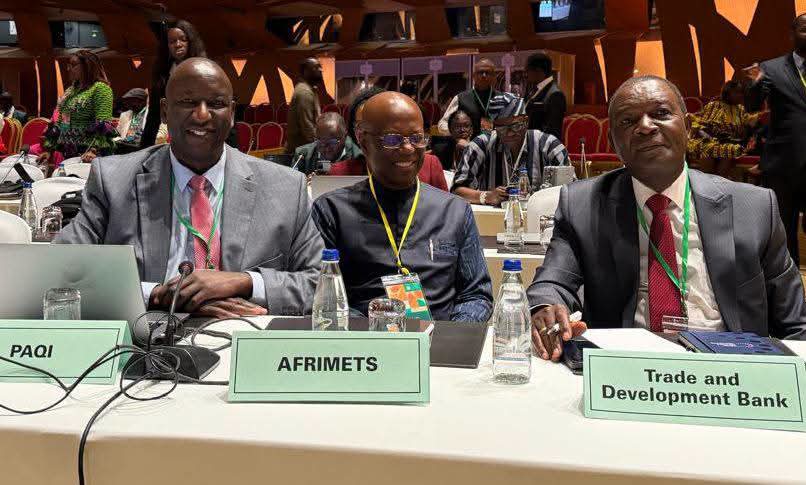
Rotich is attending the high-level five-day forum in his dual capacity as Chairman of the Pan African Quality Infrastructure and President of the Intra-Africa Metrology System, known respectively as PAQI and AFRIMETS. The meeting has brought together African policymakers and technical experts to chart strategies for accelerating trade, industrialisation and economic integration across the continent — conversations in which Kenya has increasingly moved from participant to agenda-setter.
His presence in Abidjan reflects a broader shift in KEBS’ continental standing, one driven in large part by the strategic direction set by Managing Director Esther Ngari, who leads the institution’s work across standards development, quality assurance, metrology, testing and trade facilitation.
Since taking the helm at KEBS, Ngari has made quality infrastructure a serious national conversation rather than a technical afterthought. Her tenure has been defined by a push towards excellence and modernisation — strengthening laboratory services, promoting conformity assessment, and embedding a quality-conscious culture among manufacturers and consumers alike. The results are tangible. Kenyan exporters operating under KEBS certification are finding it easier to access regional and international markets, precisely because the institution has worked to align local standards with internationally recognised benchmarks.
“Quality is not a bureaucratic requirement — it is a competitive advantage,” Ngari has said, a phrase that has come to characterise her approach to an institution that underpins the credibility of virtually everything Kenya makes and sells.
Under her stewardship, KEBS has supported government efforts to expand Kenya’s export footprint by ensuring locally manufactured products meet global safety and quality thresholds. The institution’s work in standardisation, certification, inspection and testing has enhanced confidence in Kenyan goods, reduced technical barriers to trade, and helped open doors in markets that demand rigorous compliance before a product reaches the shelf.
Ngari has also prioritised the adoption of technology and more efficient systems to modernise service delivery — a recognition that an institution responsible for the integrity of trade cannot afford to operate on outdated processes. Her vision dovetails neatly with Kenya’s broader industrialisation agenda and with the ambitions of the African Continental Free Trade Area, where harmonised standards are not a courtesy but a prerequisite for unlocking the $3.4 trillion intra-African market.
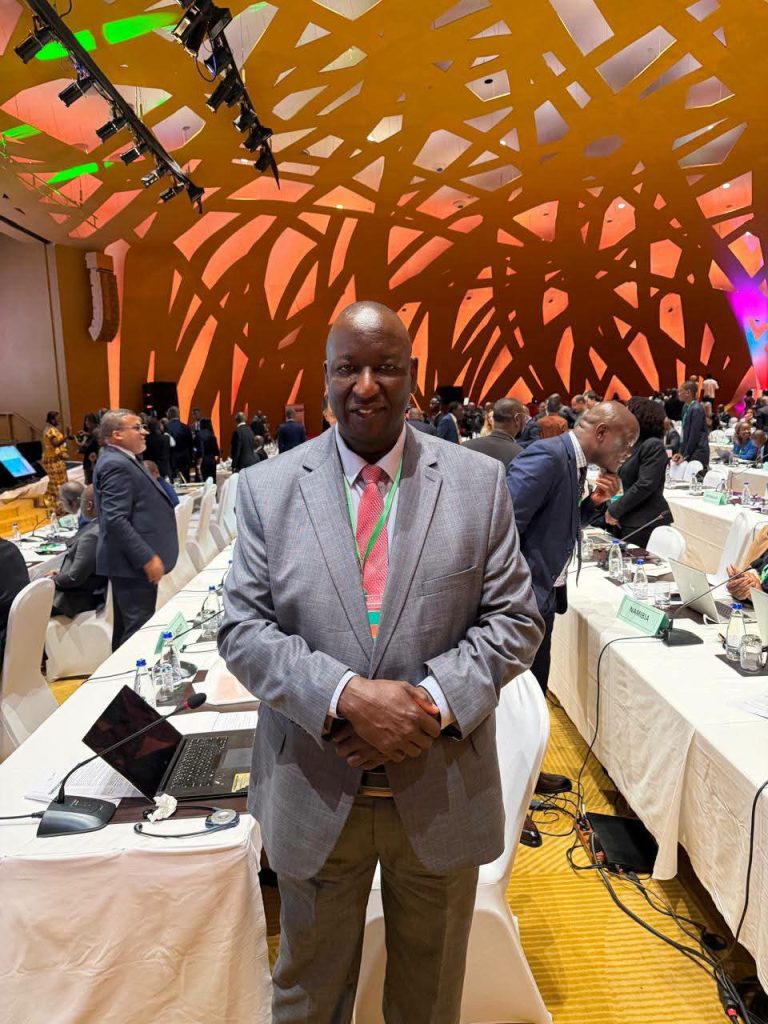
At the continental level, Rotich’s leadership roles within PAQI and AFRIMETS give Kenya a seat at the table where Africa’s measurement and standards architecture is being designed. His engagement in Abidjan is not merely representational — it is substantive. Kenya brings genuine technical depth to these forums, and Rotich’s participation signals the country’s readiness to share that expertise, promote harmonised standards and strengthen the measurement systems that underpin fair trade and industrial competitiveness across the continent.
The Abidjan discussions are expected to deepen collaboration among member states, promote the exchange of best practices and reinforce the institutions responsible for standards, metrology, accreditation and conformity assessment. For a continent where non-tariff barriers — including divergent standards — remain among the most stubborn obstacles to trade, that work carries real economic consequence.
As Africa accelerates its integration agenda, KEBS is well-positioned to help shape the quality infrastructure on which that ambition depends. It is the kind of institutional influence that rarely makes headlines but quietly determines whether a product gets across a border — or does not.
Behind that influence, for now, stands a director general who has decided that standards are worth fighting for.
Similar Posts by The Mt Kenya Times:
- Mt Kenya Times ePAPER October 21, 2026
- Kenya confirms ninth Ebola case as outbreak remains contained within single cluster
- Musk pledges SpaceX share for every American child in 2027
- Abiy calls for deeper Kenya-Ethiopia trade partnership at Eldoret ceremony
- Kenya’s oil moment: Promise, responsibility and the long road from Turkana to market
About the Author