Muslim leaders back Ruto, launch policy unit after Nairobi forum
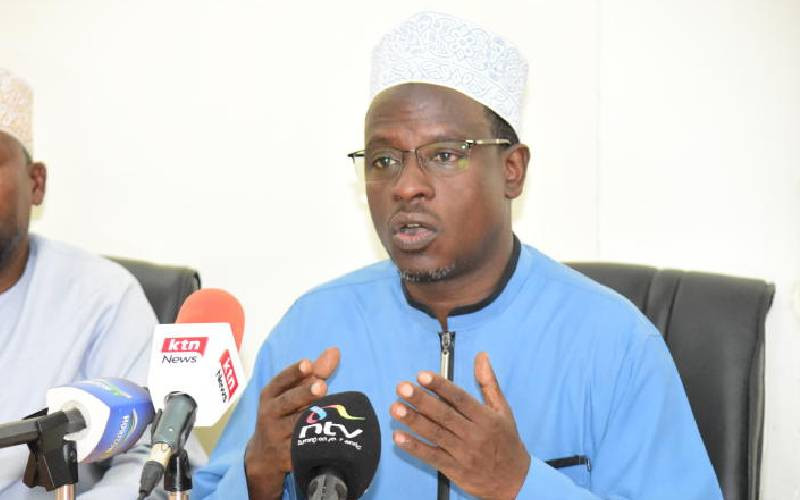
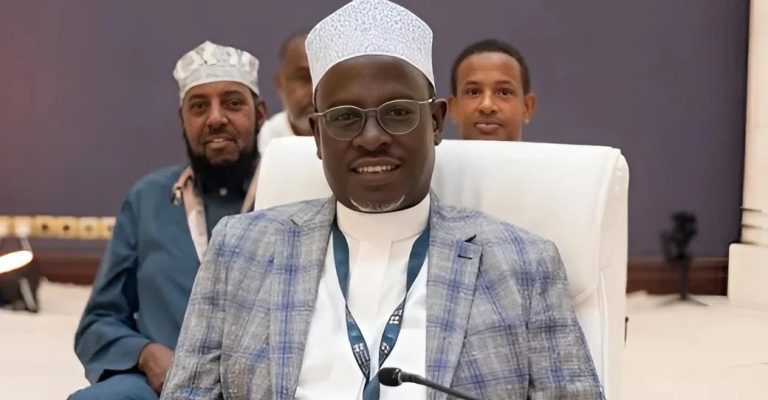
SUPKEM National Chairman Al-Hajji Hassan Ole Naado
SUPKEM delegates from all 47 counties endorse structured engagement with government and establish a permanent liaison directorate
By Jane Njeri
The Supreme Council of Kenya Muslims yesterday concluded a landmark national forum in Nairobi, issuing a communiqué that signals a decisive shift in how the country’s Muslim leadership intends to engage with the state — moving from historical grievance and adversarial posturing toward structured institutional partnership with both the executive and legislature.
The National Muslim Leaders Forum, convened under SUPKEM and attended by scholars and community leaders drawn from all 47 counties, heard addresses from senior government officials and ended with the launch of a new permanent policy unit designed to embed Muslim institutional interests within the machinery of national governance.
In a communiqué signed by SUPKEM National Chairman Al-Hajji Hassan Ole Naado, delegates acknowledged what they described as deliberate and high-level engagement from the state. President William Ruto’s address was delivered by Cabinet Secretary Aden Duale, while Prime Cabinet Secretary Musalia Mudavadi was represented by Professor AbdulRazak Shaukat, who spoke on systemic collaboration between Muslim institutions and government. Hassan Omar, Secretary General of the UDA Party and an East Africa Legislative Assembly MP, and Eldas MP Adan Keynan both addressed the forum, emphasising the integration of Muslim leadership into national socio-economic structures.
The forum’s most substantive intellectual contribution came from David Ndii, chairperson of the President’s Council of Economic Advisors, who presented a structural analysis of post-colonial African governance — specifically the enduring tension between political consolidation and economic development as competing first priorities. Delegates said his framework provided critical context for situating the Muslim community’s developmental agenda within the broader national trajectory.
Charles Hinga Mwaura, Principal Secretary, outlined the government’s Affordable Housing Programme, walking delegates through the mechanics of community participation and homeownership pathways. Representatives from the Social Health Authority, the Vision 2030 Delivery Secretariat, and the National Authority on the Campaign Against Alcohol and Drug Abuse also addressed the forum, briefing delegates on their respective mandates and outreach programmes.
The centrepiece resolution of the gathering was the formal launch of the Ummatic Policy Liaison Directorate, a permanent administrative unit lodged within SUPKEM’s Strategic Networking Pillar. The directorate will maintain standing interfaces with government line ministries, the Vision 2030 Delivery Secretariat, and the National Treasury. It will audit policy compliance, produce data-driven briefs for Muslim legislators and civil servants, and manage relationships with international bilateral donors willing to fund community development programmes. Unlike reactive crisis management structures, the directorate is designed for continuous, technical engagement with the state.
The communiqué also resolved to build institutional capacity among Muslim professionals and youth, and to establish community-led mechanisms that align the Muslim community’s developmental priorities with national economic frameworks. The delegates declared that the responsibility for safeguarding Muslim interests could no longer be left solely to external actors, and that the community must anchor its own voice within Kenya’s governance and economic architecture.
Ole Naado, in signing the communiqué, framed the shift in unambiguous terms: having witnessed concrete government commitments, the Muslim community would reciprocate in equal measure — meeting what the communiqué described as a stretched hand of friendship with its own.
Similar Posts by The Mt Kenya Times:
- Women farmers at risk of being left behind as global food crisis deepens, report warns
- Degrees in hand, jobs out of reach
- How Kenya’s state-owned giants feast on preferential privilege while competition starves
- Cheating our children: The quiet crisis threatening Kenya’s KCSE
- Mt Kenya Times ePAPER October 15, 2026
About the Author