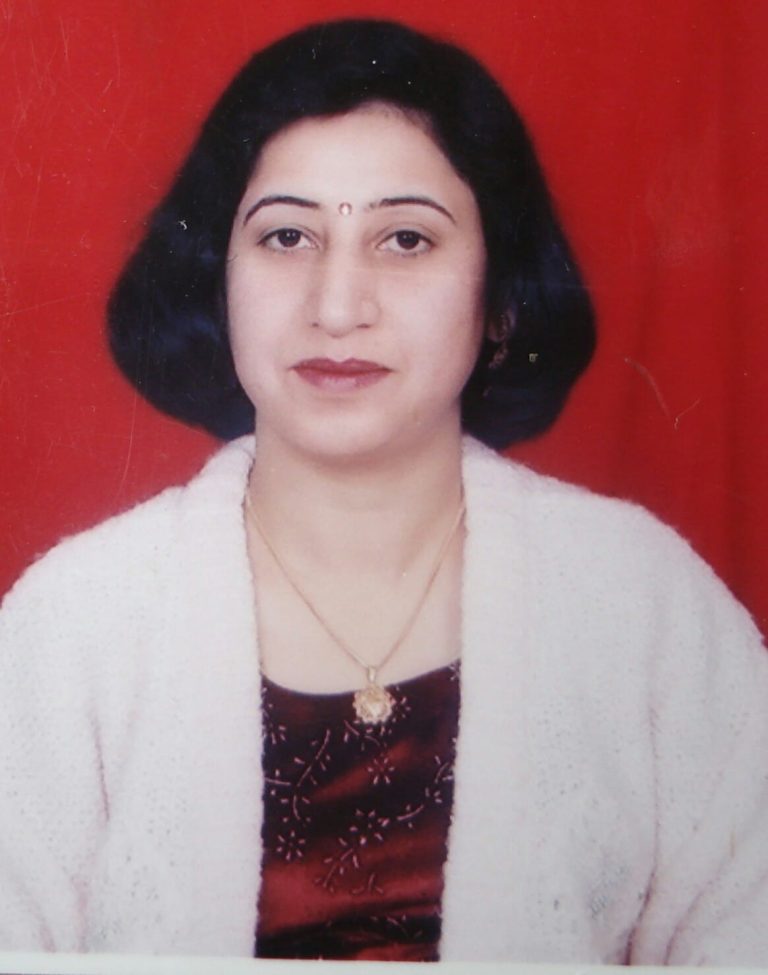
Aziza Saparbaeva

“Hero of our time” is a prose work of M. Y. Lermontov.
The main character of the work is a young Russian officer, Grigory Alexandrovich Pechorin. In the 1st part of the work, Pechorin is presented in the imagination of Maxim Maksimovich, in the 2nd part, we hear Pechorin’s description in his own language (side notebook).
The character of Pechorin was selfish, always thinking about himself, who could pretend to be very happy, very lonely and unhappy.
He wants to be loved, but he himself is not truly lovable, he did not want to sacrifice anything for anyone.
He was looking for news, he found it, but he quickly got bored and started looking for it again…
The work describes a society of people, not people.
And the fact that the author of the work gives this name is a bitter irony.
I found it permissible to quote what the author said about the work:
“You say that morality does not benefit from this? I’m sorry. It’s enough that we feed people with so many sweet things; it upsets their stomachs; they need bitter medicine, sharp truths. But after what I said, the author of this book once told people Don’t think that he is a proud dreamer of a cure. He only took pleasure in describing the person of the present time whom he met so much against his happiness. It is enough to show him what kind of pain it is, and how to heal it knows.”
Whether or not you want to read a book depicting the people of Lermontov’s time, the Russian society of that time, is up to you.
I bring to your attention these excerpts from the language of the hero of the work, the conclusion is from yourself:
“What is pride itself? – a phrase that means striving to be superior to everyone else. My greatest source of pleasure is to subjugate those around me to my will; isn’t it a sign and the greatest celebration of this superiority, to create a feeling of love, loyalty and fear in others towards me? No right Isn’t it the sweetest part of our pride to cause someone else’s pain or joy without having it? What is satiated pride?
In the first and second picture, Lermantov’s book,
In the second photo, the author of the article is Aziza Saparbaeva.
Aziza Saparbaeva, student of the 3rd stage of history education, Urganch State University, Faculty of Socio-Economic Sciences, winner of the state scholarship named after Navoi.
Similar Posts by The Mt Kenya Times:
- Mt Kenya Times ePAPER October 27, 2026
- Sifuna draws hope from Serbia and Brazil as Kenya’s 2027 race heats up
- Uhuru calls for unity as he marks 65th birthday
- Kenya establishes international crimes division: Justice delayed, but will it be delivered?
- World marathon champion Jepchirchir suspended in fresh blow to Kenya’s clean sport drive
About the Author