Negligence Of Laws On Media By Kenya: A Risk To Press Freedom And Accountability


By: Antony Otieno
For many years, Kenya has been considered a regional hub of free expression and a particularly vibrant media landscape. Beneath this, however, lies the bitter reality that laxity in matters of media legislation and the selective implementation of regulations pose a real threat to Press Freedom and democratic accountability therewith. In as much as constitutional shields exist by virtue of Article 34 in the Kenyan Constitution, haphazard execution and updating of media legislation have left the field vulnerable to such abuse, corruption, and political malfeasance.
The celebrated Media Council Act of 2013 and other related laws marked important milestones in the creation of a free and fair media environment. In practice, however, these laws are implemented poorly. Mostly, regulatory bodies such as the Media Council of Kenya either lack autonomy or the resources necessary to enforce a set code of ethics effectively. Additionally, penalties for violations are selectively applied, with larger and more powerful entities sometimes being given impunity while smaller players face disproportionately harsh punishment.
Furthermore, the rapid evolution of digital media has outpaced legislative reform. Laws that govern digital journalism, social media, and online content regulation remain fragmented or outdated. This places journalists and content creators in a legal gray area, where arbitrary crackdowns and legal challenges are common.
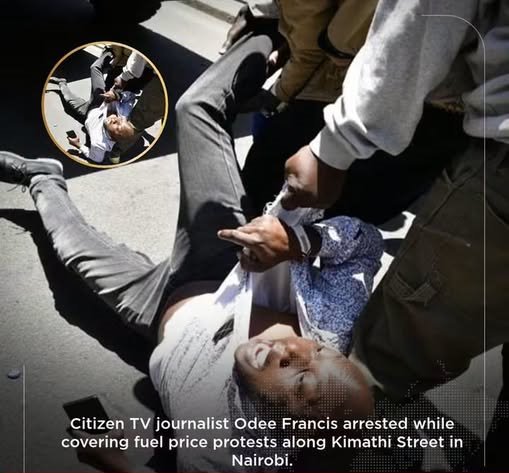
Political Interference and Media Harassment is another way the media laws are being neglected. The media in Kenya are greatly interfered with politically; laws are used or not applied to muzzle dissenting voices. Journalists reporting on corruption, human rights abuses, or even electoral malpractices face harassment, intimidation, and even physical attacks. In many cases, law enforcement agencies fail to take any action over such incidents, thus sending a chilling message to media practitioners.
For instance, the abuse of the Computer Misuse and Cybercrimes Act of 2018 has fanned fears that the law may be used to muzzle free speech. Supposedly devised to rein in cybercrime, the law has been used to crack down on journalists and whistleblowers, especially those critical of the government.
Similarly, forgotten media laws have contributed to the erosion of media independence through economic pressures. Due to a lack of specific guidelines related to advertising policies, most specifically about government-sponsored advertisements, state agencies have withheld advertising revenues from critical outlets. This financial manipulation obliges some media houses either to self-censor or to conduct editorial policies according to the wish of the government at the expense of the right of the public to information.
The reform and enforcement of media laws will go a long way in addressing these challenges. We have to try Strengthening regulatory bodies, protect journalists and give media independence as a way of implementing reforms.
Neglect of media laws in Kenya is a disservice to democratic values in the country, apart from the right to information for its citizens. The country needs a free, independent, and accountable media that would hold power to account and foster an informed electorate. It is about time Kenya renews its commitment to the ideals of press freedom by addressing gaps in its media laws and their just application. Doing nothing will only serve to consolidate the vulnerabilities of the media sector, weakening one of the pillars of democracy.
Similar Posts by The Mt Kenya Times:
- 89 junior golfers chase glory at NCBA Lisle Shaw Championship
- Scaloni set to stay: Argentina coach to sign 2030 World Cup deal
- Mt Kenya Times ePAPER October 22, 2026
- Ruto heads to Harare for COMESA summit on trade and regional security
- Mudavadi and Wetangula walk out as Sifuna speaks at Nabwera memorial
About the Author