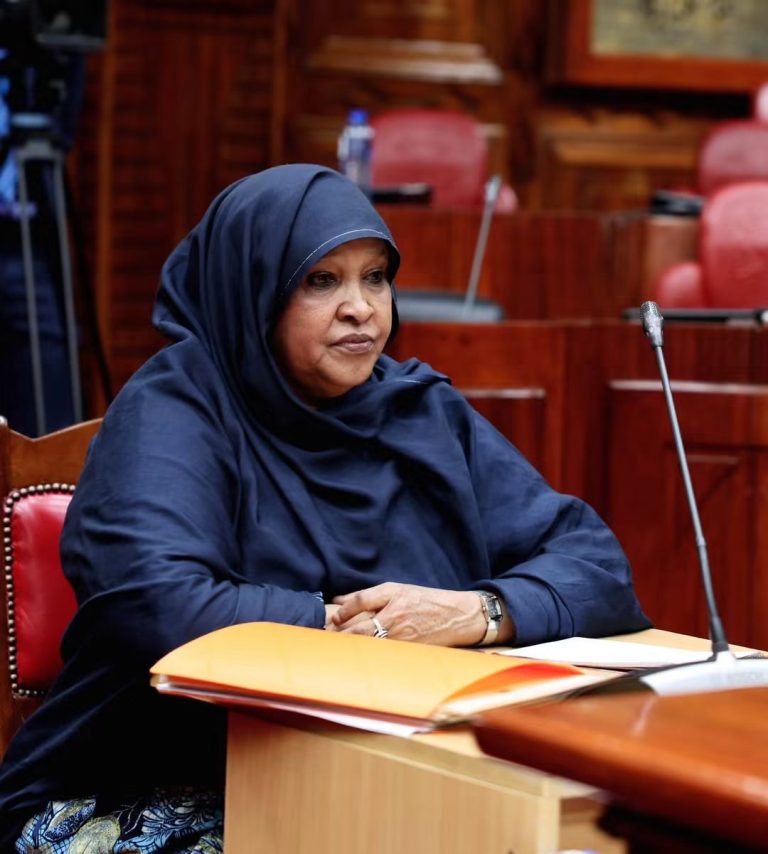
Trans Nzoia governor George Natembeya
Trans Nzoia governor George Natembeya last week met student leaders from across all 47 counties during a high-level engagement forum held at Westwood Hotel in Westlands, Nairobi, where he urged them to rise beyond campus politics and prepare for impactful leadership on the national stage. Addressing the diverse group of young leaders drawn from institutions of higher learning across the country, Natembeya commended them for their courage to lead, saying their willingness to serve was a powerful symbol of responsibility and vision.
The governor encouraged the student leaders to think critically about the legacy they intend to leave, challenging them to use their positions to champion issues that directly affect the youth, including job creation, mental health, inclusivity, and education reform. He reaffirmed his commitment to working with the youth, pledging to create platforms for dialogue and long-term partnerships that would drive sustainable and inclusive development. The governor urged the student leaders to lead with purpose and integrity, reminding them that their generation holds the key to unlocking Kenya’s full potential.

The National Treasury and the African Development Bank (AfDB) are close to finalising an agreement for an additional Sh9.6 billion to complete Phase 1 of the Thwake Multi-Purpose Dam, located at the confluence of Athi and Thwake Rivers on the border of Makueni and Kitui Counties. Once completed, the dam is expected to be a game changer in the Lower Eastern Region, benefiting over 1.2 million people and supplying water to Konza City. The announcement was made during an inspection tour of the dam by officials from the National Treasury, AfDB, and the Ministry of Water, Sanitation and Irrigation, who reiterated their commitment to the critical infrastructure project. Mtchera Chirwa, Director of AfDB’s Water and Sanitation Department noted that Thwake Dam symbolises Kenya’s ambition for sustainable development, offering improved water security, agricultural productivity, and clean energy for the region. Currently at 94.2% physical completion, the dam is a pillar in Kenya’s development agenda.

A multi-agency security team has interpcepted over 8,000 litres of ethanol worth Sh 14 million, believed to have been smuggled into Kenya from neighbouring Ugnd through a porous border section near Busia Town. Western Regional Police Commander Issa Mohamood, who led the operation, said the contraband was concealed under bags of chicken feed in a lorry, Isuzu registration number KDB 287U, which is now detained at Malaba Police Station. The driver of the truck escaped using a motorcycle and police have mounted a manhunt. Mohamood warned against smuggling and the use of ethanol in illicit brews, citing health dangers and revenue loss. Samples of the substance have been taken to the government chemist laboratory for analysis.
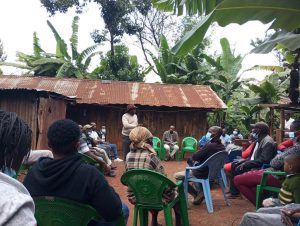
Leaders and residents of Kangema Constituency, Murang’a, gathering for prayers at the home of 22-year-old Boniface Kariuki, the hawker who was allegedly shot by police during last week’s demonstrations in Nairobi last week. They urged the Independent Policing Oversight Authority (IPOA) to conduct a swift and impartial investigation to ensure justice is served.

Women in Sigor, West Pokot County, are set to benefit from a KSh7 million economic empowerment programme launched by Farouk Kibet, President William Ruto’s aide, in line with the Kenya Kwanza government’s promise to uplift marginalized groups. The initiative was unveiled during a colourful ceremony at Sigor Centre, attended by a host of national and county leaders. The leaders rallied the community to embrace government programmes such as the Hustler Fund and other affirmative initiatives targeting women.
Kibet emphasised the administration’s commitment to inclusive development, while leaders called for political stability, criticising opposition protests for disrupting national progress.

The Kenya Institute of Primate Research (KIPRE) has launched its 5-Year Strategic Plan (2025–2030). The event that took place in Nairobi signifies an important milestone in Kenya’s pursuit of cutting-edge research, health security, and environmental conservation. The plan sets out a focused agenda to enhance biomedical and preclinical research, strengthen ethical primate conservation, and drive innovation in addressing both local and global health challenges. Anchored in Kenya Vision 2030, the Bottom-Up Economic Transformation Agenda (BETA), and the goal of Universal Health Coverage (UHC), the strategy affirms KIPRE’s critical role in delivering on Kenya’s sustainable development aspirations. It is a bold step forward for science, sustainability, and public health in Kenya. The event was graced by, among others, the Secretary for Administration at the Ministry of Health Hassan Harakhe.
Similar Posts by The Mt Kenya Times:
- Olise seals France win over Belgium in Nations League thriller
- Fatuma faces Senate scrutiny in PSC commissioner bid
- Birik: Lokichar first oil on course for December
- Eng Mwangi: Dangote refinery could reshape Kenya’s industry
- Mt Kenya Times ePAPER September 29, 2026
About the Author