Nurturing Minds, Building Futures: Promoting a Culture of Literacy, Education, Mental Health, and Empowering Uganda’s Youth


By: Natasha Ahereza
Worth Noting:
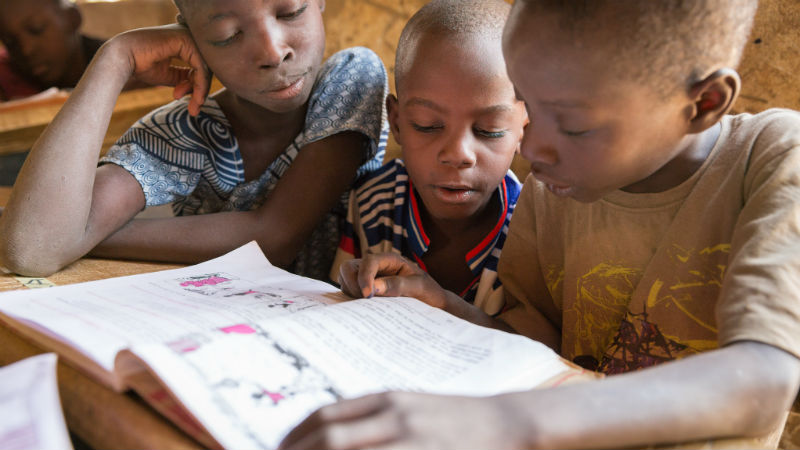
- Literacy is the cornerstone of any nation’s development. In Uganda, promoting a reading culture is not merely about teaching children how to read but also about fostering a lifelong love for books and knowledge.
- Education is the key to breaking the cycle of poverty, illiteracy, and early pregnancies. It equips young people with the knowledge and skills they need to make informed decisions about their lives.
- Early pregnancies and child marriages can rob young girls of their potential and limit their opportunities.
- Mental health is often an overlooked aspect of a child’s well-being. The pressures of life can take a toll on students, affecting their ability to learn and grow.
In the heart of the African continent, Uganda is home to a rich tapestry of cultures and traditions. However, as it strides towards progress and development, there are significant challenges that the nation faces, particularly in the realms of literacy, education, early pregnancies, child marriages, and mental health. In this article, we delve into the critical need to promote and support a reading culture, enhance education, and combat early pregnancies and child marriages while prioritizing the mental health of learners in Uganda.
The Power of Literacy:
Literacy is the cornerstone of any nation’s development. In Uganda, promoting a reading culture is not merely about teaching children how to read but also about fostering a lifelong love for books and knowledge. The more children read, the more they broaden their horizons, develop critical thinking skills, and open doors to opportunities. Reading empowers individuals, allowing them to envision a brighter future, irrespective of their backgrounds.
Promoting a reading culture involves:
Access to Books: Ensuring every child has access to a well-stocked library or quality reading material, both at school and in their communities.
Encouraging Parents and Guardians: Families play a pivotal role in cultivating a love for reading. Encouraging parents and guardians to read with their children not only strengthens family bonds but also instills a lifelong reading habit.
Supporting Local Authors: Promoting literature by Ugandan authors encourages a sense of identity and familiarity for young readers. It can be a powerful motivator to pick up a book and engage with stories relevant to their lives.
Empowering through Education:
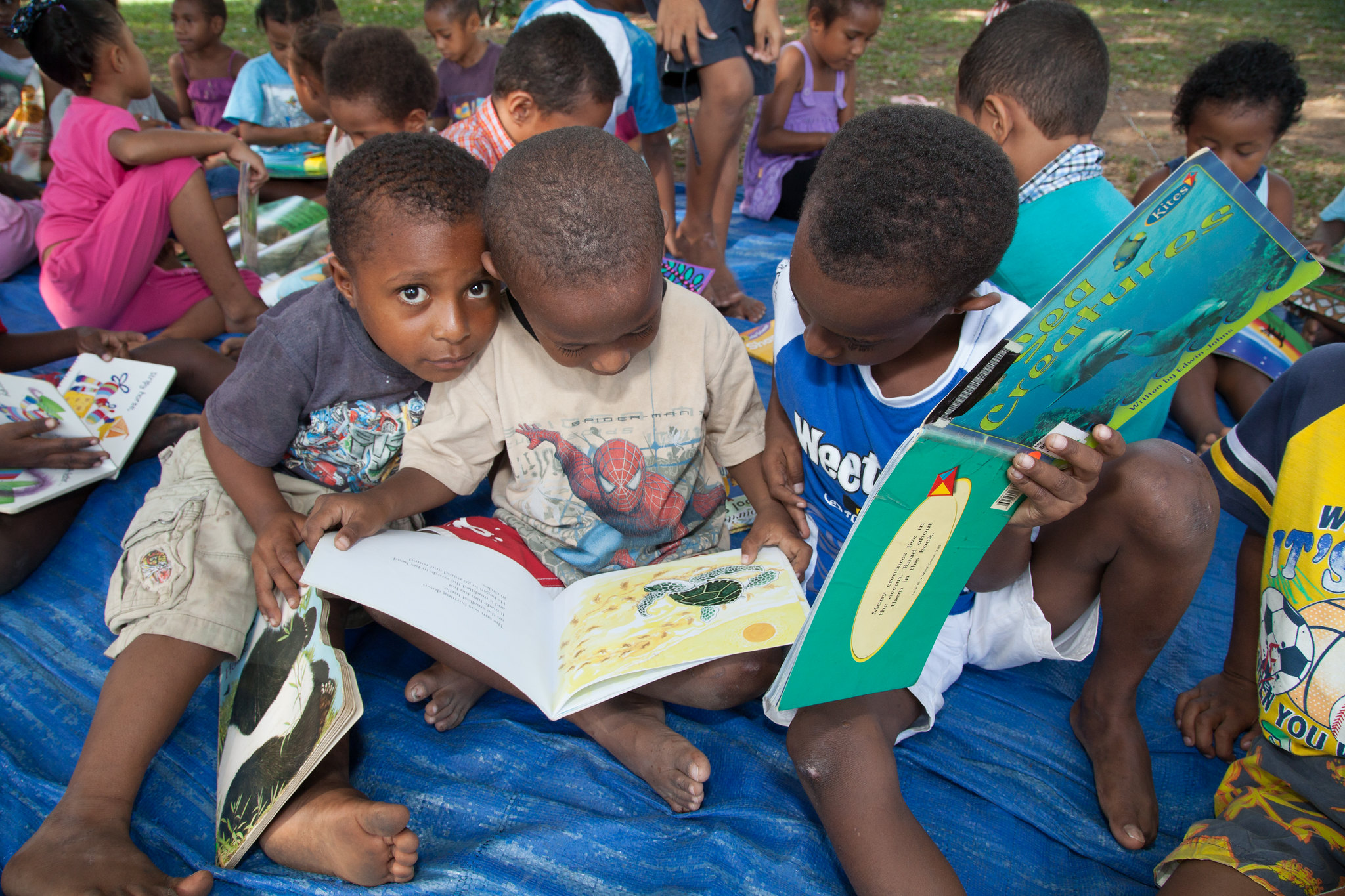
Education is the key to breaking the cycle of poverty, illiteracy, and early pregnancies. It equips young people with the knowledge and skills they need to make informed decisions about their lives. Here’s how we can support education in Uganda:
Quality Education: Ensuring schools are equipped with qualified teachers, proper infrastructure, and resources. Education should be accessible and of a high standard, irrespective of one’s location.
Comprehensive Sex Education: Including comprehensive sex education in the curriculum to equip students with the knowledge they need to make responsible decisions regarding their sexual and reproductive health.
Career Guidance: Offering career guidance and counseling to students, helping them set meaningful goals for their futures.
A Stand against Early Pregnancy and Child Marriage:
Early pregnancies and child marriages can rob young girls of their potential and limit their opportunities. To combat these issues:
Legislative Changes: Advocating for stricter laws against child marriages and more comprehensive policies that protect the rights of children.
Community Engagement: Raising awareness in communities about the dangers of early pregnancies and child marriages through campaigns and community dialogues.
Economic Empowerment: Empowering young girls with economic opportunities, enabling them to support themselves and their families, thus reducing the likelihood of early marriages.
Prioritizing Mental Health:
Mental health is often an overlooked aspect of a child’s well-being. The pressures of life can take a toll on students, affecting their ability to learn and grow. Prioritizing mental health means:
Mental Health Education: Integrating mental health education into the school curriculum, teaching students how to manage stress and seek help when needed.
Counseling Services: Providing access to counseling services within schools for students who may need emotional support.
Reducing Stigma: Promoting open discussions about mental health to reduce the stigma associated with seeking help.
Conclusion
Promoting a culture of literacy, quality education, and addressing early pregnancies, child marriages, and mental health issues among learners in Uganda is essential to unlock the nation’s full potential. It is a call to action for government bodies, non-governmental organizations, communities, and families to work together to provide children with the opportunities they need to thrive, grow, and become future leaders who can contribute to Uganda’s development. Nurturing minds, building futures, and safeguarding the well-being of the youth is not just a choice; it’s a responsibility that we all share.
Similar Posts by The Mt Kenya Times:
- Mt Kenya Times ePAPER October 24-25, 2026
- Muturi calls on IEBC to keep election technology tender clean and on schedule
- Ruto meets UAE minister in push to deepen trade ties
- Gideon Moi breaks silence on Ruto fallout, cites broken promises
- The doctor who refused to abandon a sick Uganda
About the Author