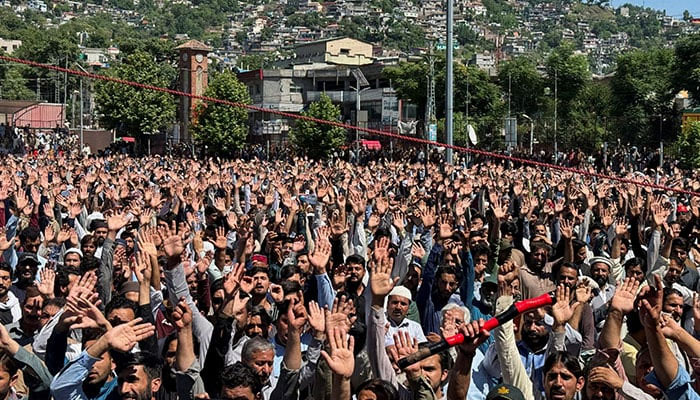
Uganda Police detain a protester, Thursday, April 14, 2011 in Kampala, Uganda. Witnesses in Uganda say police fired tear gas into a hospital during a skirmish with stone-throwing protesters. Military police officers shot Uganda's top opposition politician in the arm Thursday and fired tear gas into a hospital as demonstrations against rising fuel and food prices broke out in several locations across the country, officials said. The opposition politician, Kizza Besigye, was walking to work to protest high gas prices (AP Photo/Stephen Wandera)

Will the Ugandan government respect the mandate of the Africa Charter over promotion and protection of human and people’s rights across Africa and its commitments?
By: Aryampa Brighton
Worth Noting:
- The recent actions of the Ugandan government to restrict civic spaces, harass human rights defenders and criminalize legal activities and weaponize judiciary against the environmental human rights defenders has spurred the African Commission to adopt a resolution condemning the human rights violations and urging the government to rectify the situation.
- The resolution, adopted during the session on the 6th of November, 2024, highlighted the Commission’s deep concerns on the increased use of judicial harassment against the activists and EHRDs, condemning also the numerous incidents of reprisals and the use of the judicial system to pursue questionable and vague criminal charges against defenders that curtail the promotion and protection of fundamental human and people’s rights in Uganda.

By: Aryampa Brighton
Worth Noting:
• The recent actions of the Ugandan government to restrict civic spaces, harass human rights defenders and criminalize legal activities and weaponize judiciary against the environmental human rights defenders has spurred the African Commission to adopt a resolution condemning the human rights violations and urging the government to rectify the situation.
• The resolution, adopted during the session on the 6th of November, 2024, highlighted the Commission’s deep concerns on the increased use of judicial harassment against the activists and EHRDs, condemning also the numerous incidents of reprisals and the use of the judicial system to pursue questionable and vague criminal charges against defenders that curtail the promotion and protection of fundamental human and people’s rights in Uganda.
The African Commission on Human and Peoples’ Rights, the African Union human rights body, has been urging the Ugandan government to respect and protect human rights and end the harassment and attacks on environmental human rights defenders and activists.
Since 2022, Ugandan environmental human rights activists and students protesting the construction of the East African Crude Oil Pipeline (EACOP), Tilenga, Kingfisher, oil refinery and other related projects, have been subjected to increased attacks on fundamental rights, including being subjected to arbitrary arrests, unlawful detentions, long remands, deliberate court delays, abductions and enforced disappearances, use of excessive force, torture and ill treatment.
Uganda is a party to the African Charter on Human and Peoples’ Rights, a main human rights treaty, outlines the obligations of the governments of African nations to protect human rights as well as specifies rights protected under the Charter. Uganda has been a party to the Convention since 7 August 1994 and has agreed to undertake legislative and other steps to ensure that Ugandans can enjoy these rights and freedoms. These include freedom from torture and ill treatment, right to liberty and security of person as well as freedom of association and assembly.
The recent actions of the Ugandan government to restrict civic spaces, harass human rights defenders and criminalize legal activities and weaponize judiciary against the environmental human rights defenders has spurred the African Commission to adopt a resolution condemning the human rights violations and urging the government to rectify the situation.
The resolution, adopted during the session on the 6th of November, 2024, highlighted the Commission’s deep concerns on the increased use of judicial harassment against the activists and EHRDs, condemning also the numerous incidents of reprisals and the use of the judicial system to pursue questionable and vague criminal charges against defenders that curtail the promotion and protection of fundamental human and people’s rights in Uganda. The Commission emphasized that these criminal charges of incitement to violence, common nuisance, unlawful assembly, obstruction of a police officer are not violate the protection of fundamental rights guaranteed in the constitution and various regional and international treaties that Uganda is a party to but also intended to harass and intimidate activists and effectively criminalize legitimate protest activities, silence the critics and limit civic participation guaranteed by the Ugandan Constitution.
In light of these concerning human rights issues, the commission called upon the government of Uganda to ensure full respect for the rights of freedom of expression, peaceful assembly, protest and association as guaranteed by not only Ugandan Constitution, but regional and international human rights laws, cease the increased attacks, arbitrary arrests, detentions, ill treatment and harassment of citizens exercising their inherent fundamental rights and freedoms, conduct prompt, thorough and impartial investigations into all human rights violations and encouraged to ratify and domesticate the International Convention on the Protection of All persons from Enforced Disappearances and implement the relevant provisions in the domestic law.
Since the adoption of the resolution, the question of the day remains whether and when the government of Uganda will respect the Commission’s mandate and the commitment to the African Charter. The awaiting response to the resolution is coming at the time when Ugandans have many questions stemming from a few high profile cases, including Dr. Besigye’s case, senior Human Rights’ lawyer Kiiza Eron and many others who have been charged on bogus charges with civilians in military courts.
As we eagerly wait for the government’s response to the African Commission’s resolution and pending Judgements that may have a far reaching impact on the enjoyment of the rights and freedoms in our country, we,, the Ugandans should know that promotion and protection of human rights is a shared responsibility and we have a duty under the constitution to hold our government accountable for any person or group of persons whose rights have been violated. Reflecting on President Museveni’s statement on African Liberation Day May 2024 that Africa’s Unity is a must, and the future lies in unity not isolation, there can never be unity or a bright future without respect to human and people’s rights.
Aryampa Brighton.
The writer is an Advocate of the High Court of Uganda and a member of Uganda Law society. aryampa.brighton@gmail.com / baryampa@ygcug.org
The African Commission on Human and Peoples’ Rights, the African Union human rights body, has been urging the Ugandan government to respect and protect human rights and end the harassment and attacks on environmental human rights defenders and activists.
Since 2022, Ugandan environmental human rights activists and students protesting the construction of the East African Crude Oil Pipeline (EACOP), Tilenga, Kingfisher, oil refinery and other related projects, have been subjected to increased attacks on fundamental rights, including being subjected to arbitrary arrests, unlawful detentions, long remands, deliberate court delays, abductions and enforced disappearances, use of excessive force, torture and ill treatment.
Uganda is a party to the African Charter on Human and Peoples’ Rights, a main human rights treaty, outlines the obligations of the governments of African nations to protect human rights as well as specifies rights protected under the Charter. Uganda has been a party to the Convention since 7 August 1994 and has agreed to undertake legislative and other steps to ensure that Ugandans can enjoy these rights and freedoms. These include freedom from torture and ill treatment, right to liberty and security of person as well as freedom of association and assembly.
The recent actions of the Ugandan government to restrict civic spaces, harass human rights defenders and criminalize legal activities and weaponize judiciary against the environmental human rights defenders has spurred the African Commission to adopt a resolution condemning the human rights violations and urging the government to rectify the situation.
The resolution, adopted during the session on the 6th of November, 2024, highlighted the Commission’s deep concerns on the increased use of judicial harassment against the activists and EHRDs, condemning also the numerous incidents of reprisals and the use of the judicial system to pursue questionable and vague criminal charges against defenders that curtail the promotion and protection of fundamental human and people’s rights in Uganda. The Commission emphasized that these criminal charges of incitement to violence, common nuisance, unlawful assembly, obstruction of a police officer are not violate the protection of fundamental rights guaranteed in the constitution and various regional and international treaties that Uganda is a party to but also intended to harass and intimidate activists and effectively criminalize legitimate protest activities, silence the critics and limit civic participation guaranteed by the Ugandan Constitution.
In light of these concerning human rights issues, the commission called upon the government of Uganda to ensure full respect for the rights of freedom of expression, peaceful assembly, protest and association as guaranteed by not only Ugandan Constitution, but regional and international human rights laws, cease the increased attacks, arbitrary arrests, detentions, ill treatment and harassment of citizens exercising their inherent fundamental rights and freedoms, conduct prompt, thorough and impartial investigations into all human rights violations and encouraged to ratify and domesticate the International Convention on the Protection of All persons from Enforced Disappearances and implement the relevant provisions in the domestic law.
Since the adoption of the resolution, the question of the day remains whether and when the government of Uganda will respect the Commission’s mandate and the commitment to the African Charter. The awaiting response to the resolution is coming at the time when Ugandans have many questions stemming from a few high profile cases, including Dr. Besigye’s case, senior Human Rights’ lawyer Kiiza Eron and many others who have been charged on bogus charges with civilians in military courts.
As we eagerly wait for the government’s response to the African Commission’s resolution and pending Judgements that may have a far reaching impact on the enjoyment of the rights and freedoms in our country, we,, the Ugandans should know that promotion and protection of human rights is a shared responsibility and we have a duty under the constitution to hold our government accountable for any person or group of persons whose rights have been violated. Reflecting on President Museveni’s statement on African Liberation Day May 2024 that Africa’s Unity is a must, and the future lies in unity not isolation, there can never be unity or a bright future without respect to human and people’s rights.
Aryampa Brighton.
The writer is an Advocate of the High Court of Uganda and a member of Uganda Law society. aryampa.brighton@gmail.com / baryampa@ygcug.org
Similar Posts by The Mt Kenya Times:
- When political rallies become danger zones
- Paper chasing in the shadow of substance: Kenya’s tragicomic obsession with metrics over mastery
- Why we have accents: The hidden story behind the way we speak
- Utumishi girls fire and the search for justice
- Mt Kenya Times ePAPER September 21, 2026
About the Author