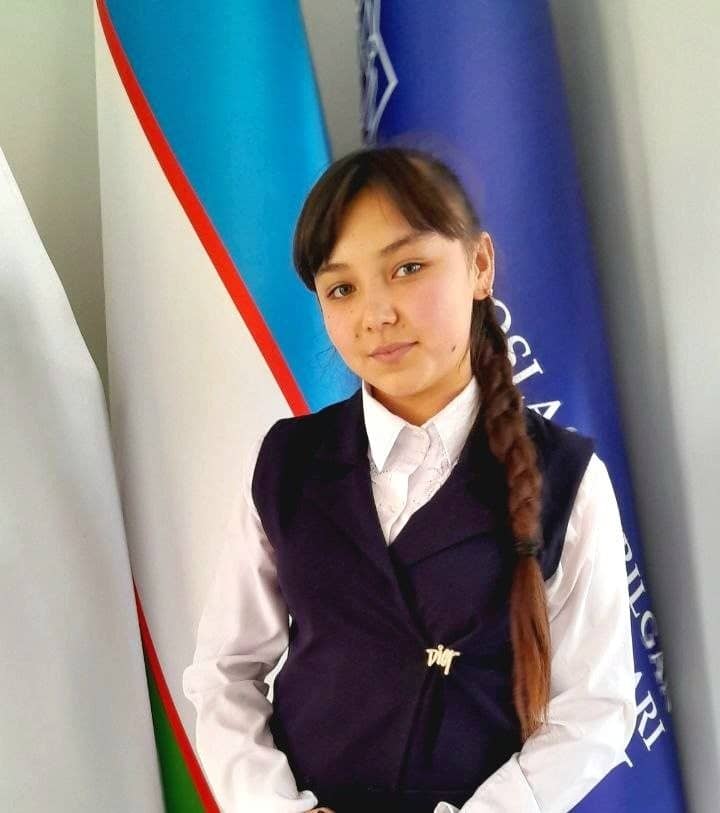
Ziyodaxon O‘roqboyeva

By: Ziyodaxon O‘roqboyeva
Uzbekistan
Uzbek oral folk art is incredibly rich and unparalleled. If we say that the oral folk art of any nation vividly shows its history, we would not be mistaken. Folk oral art can be compared to a spring, and those who benefit from it can be likened to seedlings nourished by this spring. Through the works of folk oral art, people learn from the wisdom and bravery of their ancestors, and get acquainted with their great forebears and their way of life. Folklore reveals the people’s wisdom, talent, and linguistic wealth. Folk tales serve as an essential source for studying each nation’s history, spiritual and cultural lifestyle, inner world, beliefs, social relationships with other brotherly peoples and tribes, customs, climate, and natural conditions of their living place.
Keywords: Uzbek folk tale, literary fairy tale, types of tales, impact on children.
Uzbek Folk Tales and Literary Fairy Tales: A Deep Dive
Folk tales, as one of the ancient epic genres, are widely spread among people, encapsulating centuries-old national values, lifestyle, traditions, and customs in an epic narrative manner. They are mainly narrated in prose by professional storytellers and have formed a unique poetic system with distinct artistic structures and motifs. The earliest forms can be found in Mahmud Kashgari’s “Divan-i Lughat al-Turk,” indicating oral storytelling traditions.
In Uzbekistan, folk tales have different names based on regions: “matal” in Surkhandarya and Samarkand, “ushuk” around Bukhara, “varsaqi” in Khorezm, and “cho’pchak” in Tashkent and its surroundings. These tales stand out from other genres of folklore with their imaginative and realistic depictions of life, magic and supernatural elements, and the extraordinary heroism of their characters. Fiction is a crucial element in tales, driving the plot and ensuring dynamic conflict resolution. Various fictional samples serve an educational and aesthetic function, acting as a unique artistic tool.
Based on the presence of imaginary and realistic fictions, tales can be categorized into two groups: those based on imaginary fictions (magical, miraculous) and those based on realistic fictions. Each tale typically narrates three objectives: the hero’s bravery against evil forces to protect the people, romantic pursuits involving foreign princesses or fairies, or quests for medicine or liberation of captives, and finally, the protagonist’s fight against injustice and tyranny.
Folk Tales:
Folk tales rightfully serve as a powerful source of historical facts and insights into a people’s life and social structure. Every nation, throughout its history, has created numerous exemplary stories for adults and children, passing down its experience and wisdom to future generations. Folk tales reflect human relationships, moral principles, and fundamental values, teaching clear distinctions between good and evil, joy and sorrow, love and hatred, truth and falsehood. These tales are notable for embedding profound social meanings within simple and easily readable texts, preserving the richness of the folk language.
Types of Folk Tales:
- Animal Tales: Allegorical tales like “Susambil,” “The Wolf and the Fox,” “The Fox’s Division,” and “The Two Owls” use animal characters to depict human traits such as cunning, cruelty, and flattery.
- Magical Tales: These tales, like “Yalmog’iz,” “Simurg,” “Devbachcha,” and “Kenja Botir,” feature magic, heroism, and extraordinary events.
- Humorous Tales: Some tales, such as “Quloqboy,” “Handalak Polvon,” and “Uch Yolg’onda Qirq Yolg’on,” are comedic, satirizing societal ills and praising virtues like wisdom and resourcefulness.
- Household Tales: These tales often criticize oppression and injustice, as seen in stories like “Three Brave Brothers,” “Oygul and Baxtiyor,” “Tohir and Zuhra,” and “Farhod and Shirin.”
Comparison with Literary Fairy Tales:
While literary fairy tales emerged later than folk tales, they also draw on folk motifs and magical elements.
However, literary the development of plots and character choices strictly follow the author’s intentions. By the mid-19th century, literary fairy tales evolved closer to novellas and even short stories. Notable examples include works by A. Hoffmann, C. Perrault, H.C. Andersen, and the Brothers Grimm.
Educational Role of Fairy Tales:
Fairy tales are written in simple language suitable for children, fostering their imagination and teaching moral virtues like empathy, understanding, and kindness. After reading a fairy tale, children learn about the existence of good and evil, loyalty and betrayal, foolishness and cleverness. Fairy tales can also help parents navigate and overcome crisis situations by providing moral lessons.
Similar Posts by The Mt Kenya Times:
- BALLOTS, BULLETS AND THE PRICE OF A WARD
- Mt Kenya Times ePAPER October 24-25, 2026
- Muturi calls on IEBC to keep election technology tender clean and on schedule
- Ruto meets UAE minister in push to deepen trade ties
- Gideon Moi breaks silence on Ruto fallout, cites broken promises
About the Author