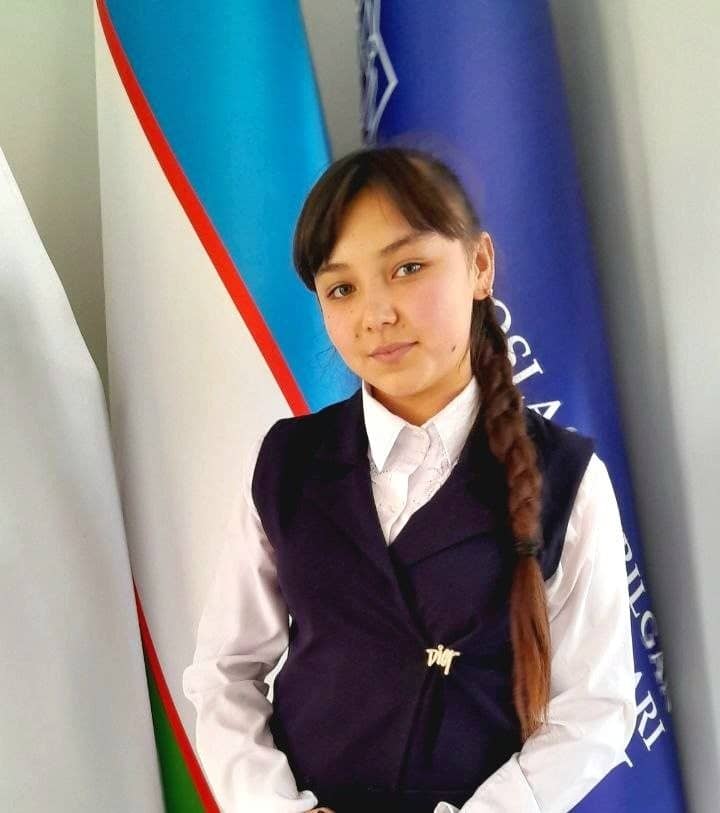
Xadjiyeva Nodira

By: Xadjiyeva Nodira
Qoraqolpoq Davlat Universiteti
Filologiya va tillarni o’qitish: ingliz tili yo’nalishi 4- bosqich talabasi
Annotation: In the article, you can learn about synonymous, antonymic, patronymic phenomena used in the use of phraseology in English and Uzbek, as well as the changes that occur between them.
Key words: phraseology, synonymy, antonymy, paronymy, meaning differences.
Phraseology is a branch of linguistics that deals with phrases used to convey meaning in a language. A phrasal verb is a movable and immutable construct. In the current period, even the most common languages around the world use phraseology in their linguistics. In particular, if we learn English, he uses phrases effectively in English. Basically, if a person creates a cantex by himself, such as writing, speaking, then using phraseology is one of the best methods. It polishes our speech and ensures the artistry of our written text. Phraseological homonymy, synonymy, paronymy arise based on the relation of form. And the meaning of one word is represented by a whole phraseological unit.
Phraseological homonymy: the meaning expressed by phrases is equal in terms. Phraseological equivalence means that the used phrase has its own meaning in addition to the figurative meaning. Phraseological homonymy is formed on the basis of one phraseological unit, which, in addition to its meaning, is portable and has meanings. For example:
- Jon bermoq – ma’nosi: “ o’lmoq” “ so’nggi nafasini chiqarmoq”
Semiz va hamisha yurak kasalidan qiynalib yurgan xotin arava ustida yulduz to’la osmonga termulib jon berdi. (Sh. Rahmatullayev 138-b)
- Jon bermoq – ma’nosi: “ barhayot qilmoq”
…- Odamzodga jon bergan ham, jonini oladigan ham yaratganing o’zi. (U. Tursunov)
- Ustidan chiqmoq- ma’nosi:“ Biror narsa qilayotganda tepasiga borib qolmoq”
Qaynanangiz rosa sevar ekan, rais, – dedi Ro’zi polvon hazil aralash, – ovqatning ustidan chiqdingiz. (Sh. Rahmatullayev)
- Ustidan chiqmoq – ma’nosi: “bajarmoq ”
Demak, Hakimov telefonda bergan so’zining ustidan chiqibdi. ( P. Qodirov )
Frazema(o’zgarmas birikma) hamda so’z(erkin birikma) o’rtasidagi tenglikni hodisasini biz omonimiya emas, aksincha frazeologik omonimlik deb ataymiz. Bundan ko’rinadiki, “omonimiya” va “omonimlik” bir-biridan farqlanadi. Bunga misol qilib:
- Ko’z yummoq(turg’un birikma, frazema)- ma’nosi: “ ko’ra-bila turib e’tiborsiz qoldirmoq.
- Ko’z yummoq(erkin birikma)- ma’nosi: “Ko’zini yumib olmoq”.
- Ko’z yummoq(turg’un birikma, frazema)- ma’nosi: “vafot etmoq”.
Phraseological paronymy – phrases that differ by one or two lexical units in the structure of the used sentence. In this case, the lexical unit should be basically similar to each other. For example:
- Yetti uxlab tushiga kirmaslik – ma’nosi: “ mutloqo u haqida o’ylamaslik”.
- Yetti uxlab tushida ham ko’rmaslik – ma’nosi “ hech qachon ko’rmaslik, bilmaslik”. Bu ikki frazemalar ma’nosida ham, “kirmaslik”, “ ko’rmaslik” so’zlari bilan ham bir- biriga paronimiya bo’lib kelgan.
Phraseological synonymy is the phenomenon of combining several phrases around one phrase. For example:
- Pixini yorgan odam – ma’nosi: “ ayyor odam”.
- Ilonning yo’g’ini yalagan odam ekan – ma’nosi: “ ayyor odam”.
- Yer bilan osmoncha – ma’nosi: “ Juda katta farq”.
- Ot bilan tuyacha – ma’nosi: “ Juda katta farq”.
As there is synonymy in lexical units, the phenomenon of synonymy also occurs between phrases. We can see this in the above examples.
Synonymy is common among lexical units and phrases. The great phraseological linguist A. B. Kunin defined phraseological synonyms as follows: “Phraseological synonyms are co-referent phraseological units that belong to the same grammatical class, have common and differential semantic components, are stylistically similar and dissimilar. are units”.
If the terms we call synonyms do not mean the same thing, they are not synonymous terms. If the same word does not appear in the lexicon, it does not mean that we cannot call them synonyms, on the contrary, if they have the same meaning, then they are phraseological synonyms. For example:
- Like a bat out of hell-go – ma’nosi: “bir zumda”
- like a bomb-in a crack –ma’nosi: “tezda” that the phrases are synonymous
no doubt. But it should not be forgotten that a component in the lexical structure of synonymous phrases can be expressed by the same word. However, the components expressed by different words in the phrases should not be mutually synonymous. Otherwise, it is equal to the variants of one phrase. For example:
- on one’s own- under one’s
- own power of one’s own hat (independently) in a synonymous line
Despite the repetition of the word “own”, they are not variants, but synonymous units.
In addition to the general meaning patterns typical for synonymy, it embodies specific meaning aspects. For example, if the synonyms “an eager beaver” and “ball off fire” have the common meaning of “restlessness”, the first unit is used more for diligent, active workers. Our second phrase is used for fire, flying, agile people. That is why it is necessary to use them in a methodical manner.
In conclusion, it should be mentioned that the study of the phenomena of antonymy, synonymy, and paronymy in Uzbek and English will help to better understand phraseology and to promote their semantic meaning relations on a wider level. It is precisely because of these that the meaning gives an opportunity to express the peculiarities of the spiritual and lexical structure of phraseological units.
Similar Posts by The Mt Kenya Times:
- Mt Kenya Times ePAPER October 20, 2026
- Ruto rallies Kalenjin elders in Rift Valley unity push
- Sonko bid to nullify impeachment judgments fast-tracked in court
- Arrest the sponsors, not just the foot soldiers, Kalonzo tells police
- Police and politics shut down Kitale’s busiest market
About the Author