
The victory of vulnerable in Sharm shows what can be achieved when enough people get behind a good idea
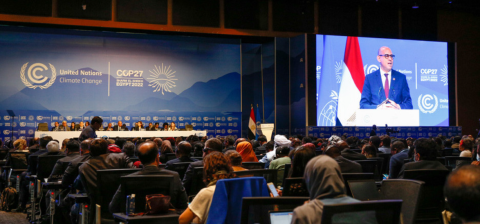
The 27th session of the Conference of the Parties (COP27)

Worth Noting:
- Truth be told that creating a fund is one thing and fulfilling its mandate is another different aspect, but it’s currently an empty vessel, the meeting also made baby strides in tackling the root cause of the problem. I thought we would build on agreement secured at Glasgow (COP26) which saw countries agree to phase-down all fossil fuels, including coal, oil and gas
- Success at COP27 for it to be an African COP, however, should be gauged not simply on reaching agreement on COP decisions, but rather, on reaching agreement on decisions that contribute to the further development of a fair, equitable, effective, and ambitious multilateral climate regime under the UNFCCC and its Paris Agreement that enhances international cooperation and increases support to African and other developing countries.
“Seven months ago, we left sherm-el-sheikh Egypt excited that the loss and damage fund has been created”
The 27th session of the Conference of the Parties (COP27) of the UN Framework Convention on Climate Change (UNFCCC) in Sharm el Sheikh Egypt, gave false hopes to the entire African continent for a successful outcome, The history of the annual UN climate talks, now in their 27th year, is marked by setbacks, delays and inaction from the world’s rich carbon emitters, as the climate crisis devastates countries and
communities in front of our very eyes, seven month ago we left sherm el sheikh very excited because after several days of negotiations, a loss and damage fund was created because the case was so strong and the voices so unified and loud that the rich countries would not be able to ignore us again on African soil.
There were high expectations that “the African COP” would deliver substantive progress and implementable climate actions on the priority issues for Africa and other developing countries, because they agreed to create a special fund for “losses and damages”, which will effectively compensate people who have suffered the most severe climate impacts,
Historically, G20 countries have emitted majority of the greenhouse gases driving the climate crisis and they are there the great financiers of this fund in an effort to pay for their damages to developing countries to help them in addressing their mitigation and adaptation strategies.
Truth be told that creating a fund is one thing and fulfilling its mandate is another different aspect, but it’s currently an empty vessel, the meeting also made baby strides in tackling the root cause of the problem. I thought we would build on agreement secured at Glasgow (COP26) which saw countries agree to phase-down all fossil fuels, including coal, oil and gas
Success at COP27 for it to be an African COP, however, should be gauged not simply on reaching agreement on COP decisions, but rather, on reaching agreement on decisions that contribute to the further development of a fair, equitable, effective, and ambitious multilateral climate regime under the UNFCCC and its Paris Agreement that enhances international cooperation and increases support to African and other developing countries.
Climate change is already causing shifts in growing seasons and increased dry spells and heavy rainfall. This has contributed to the growth of malnourishment and the transmission of vector-borne diseases such as malaria, and yellow fever. Economic productivity and growth in Africa are likely to be adversely impacted as well. Africa’s capacity to respond is undermined by economic insecurity, debt, and a deeply inequitable global financial and trade system.
However, despite being among the least historically responsible for climate change causing greenhouse gas emissions while being among those particularly vulnerable to the adverse effects of climate change, African countries are already contributing more than their fair share to adaptation – accounting for one-fifth of the expenditure required to reduce potential economic impacts on the continent. Africans, in more senses than one, are now paying the bill for climate change-related adverse effects caused by the historical emissions of developed countries.
Success at COP27 ultimately rests on real delivery of enhanced climate finance and other support to Africa and other developing countries, ability to get money flowing from wealthy countries to those most in need – at the pace and scale required to match the climate crisis. One of the biggest points of tension at COP27 was the developed world’s failure so far to fulfil its promise to mobilize US$100 billion per year in finance by 2020. As well as meeting that sum, developed countries need to set out how they will increase it from 2025.
Such climate finance is needed to help support African and other developing countries’ climate actions, especially given that many of them face fiscal resource constraints, other developmental priorities, as well as immense debts that make it difficult for them to allocate more resources to climate action.
African hopes have risen again and now entirely rests on the upcoming COP28 in UAE (Dubai), but will it offer an opportunity for change? Dr .Sultan Al Jaber, the president –designate for COP28 is the minister of industry and Advanced Technology and head of the Abu Dhabi National oil company (ADNOC), one of the world’s largest oil companies, his appointment created major criticism arguing that it creates a conflict of interest with his position because his role is about inter-governmental negotiations with the goal of establishing consensus during the conference.
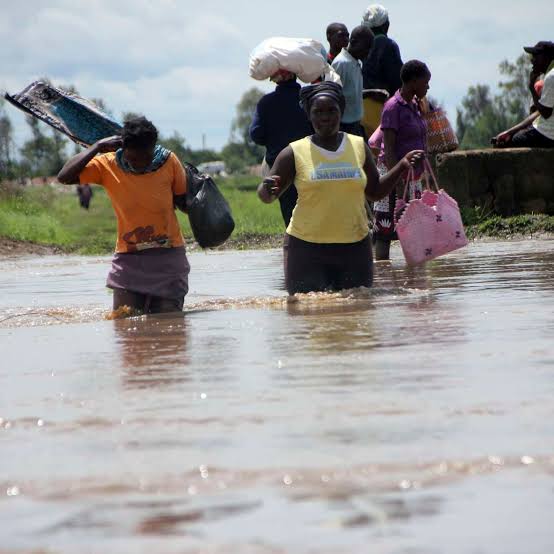
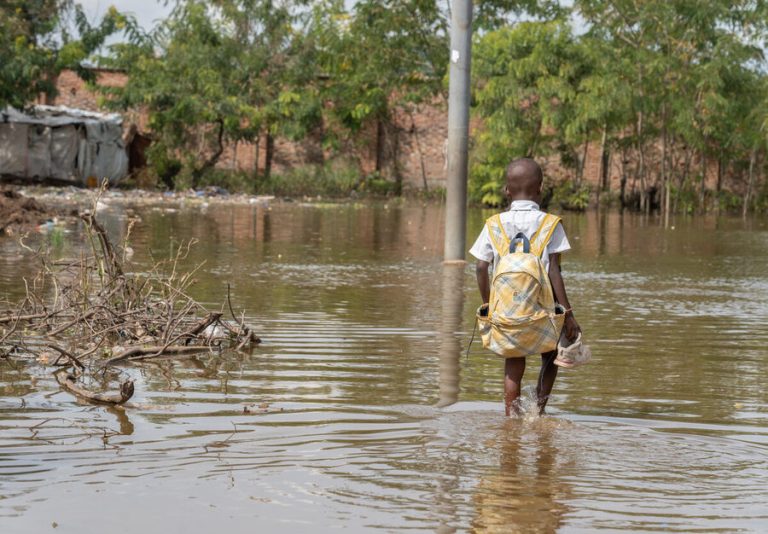
For Africa, the stakes are high. The continent is among the most vulnerable to the impacts of climate change, from droughts and floods and other extreme weather events. Many African countries are already facing devastating consequences of global warming, including crop failures, water shortages and displacement from their homes and livelihoods, such is partly due to un-sustainable flow of climate finance to scale up climate action
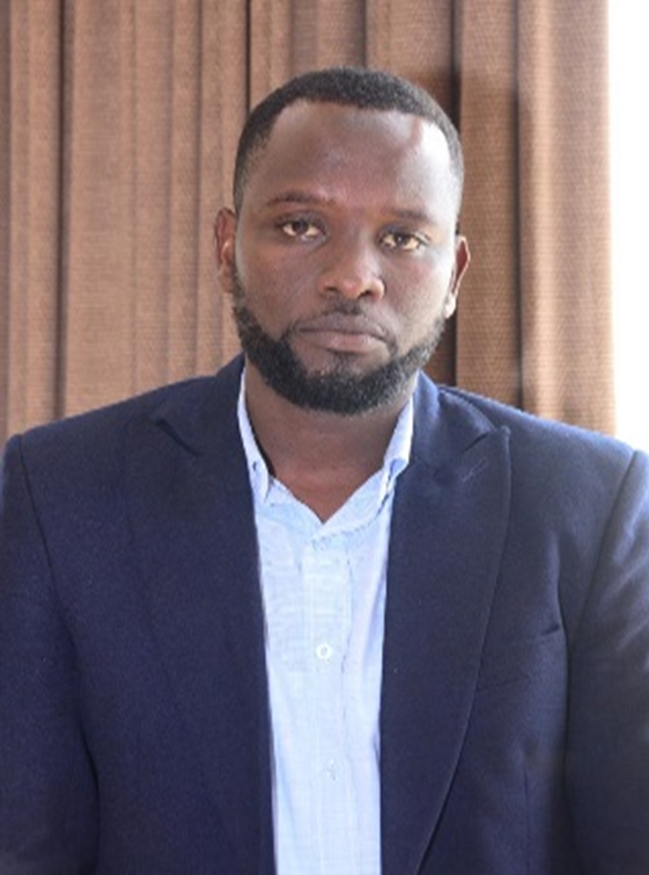
Imam MUGISHA
The writer is a member of civil society coalition on oil and gas (CSCO) and a Team leader at youth concern on environment and development (YCED)
Twitter: @imamMugisha
Similar Posts by The Mt Kenya Times:
- The role of youth in modern diplomacy: From passive observers to active global participants
- Mt Kenya Times ePAPER October 3, 2026
- Ruto puts Coast landlords on notice over squatter harassment
- Nairobi lights candles for Raila in Uhuru Park tribute
- Jambojet returns to Entebbe with daily flights and fares from KSh22,950
About the Author

 Brenda Holo