Why For Vision 2030 To Be Realised In Kenya We Must Differentiate Gender Equality And Equity
 The Mt Kenya Times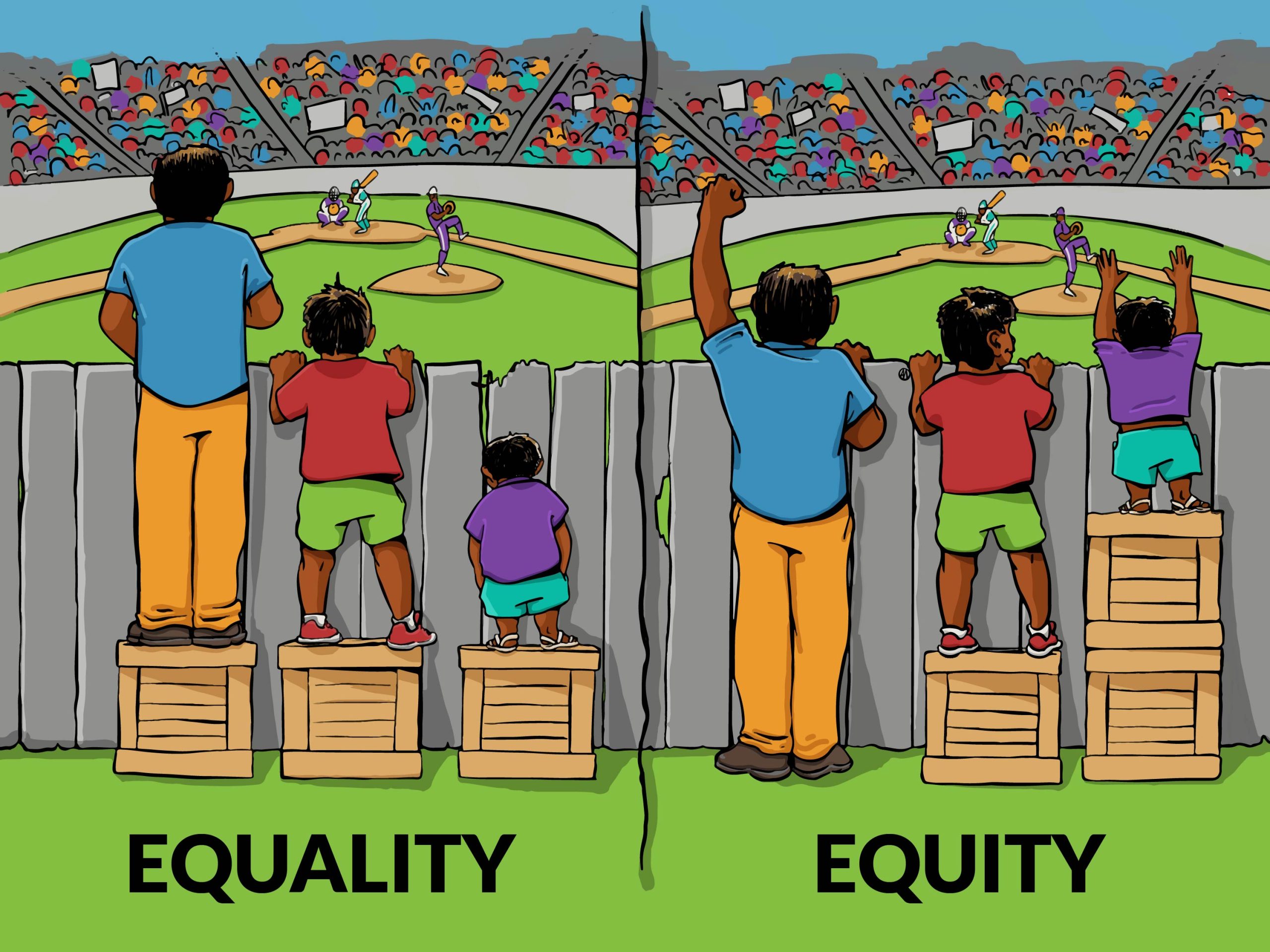

For over a decade, Kenya’s national ambition has been guided by a single, powerful dream: Vision 2030. It is our blueprint for a prosperous, globally competitive, and just nation. We have correctly identified gender equality as a critical pillar for achieving this vision. But we are building our future on a dangerously flawed foundation because we are consistently confusing two vital and very different concepts: equality and equity.
The difference is not academic; it is the difference between performative action and real transformation.
Gender equality is the goal of providing everyone with the same opportunities and resources. It is about giving every citizen the same-sized shoe, believing this is fair. But this approach only works if everyone has the same-sized foot. In Kenya, they do not.
Gender equity, on the other hand, is the process of being fair. It is the wisdom to recognize that different people start from different places and require different support to reach the same goal. Equity is not about giving everyone the same-sized shoe; it is about taking the time to measure each person’s foot and giving them a shoe that actually fits.
Our national strategy has been obsessed with the idea of equality, while largely ignoring the hard, necessary work of equity. This is why our progress has stalled.
Consider the Economic Pillar of Vision 2030. An “equality” approach says: “All loan applicants must provide a title deed as collateral.” This sounds fair and equal. But an “equity” approach recognises a critical fact, highlighted by organisations like the Kenya Land Alliance: due to historic and cultural biases, women own a tiny fraction of our nation’s land. The “equal” rule, therefore, is systemically designed to exclude women. Equity demands a different, tailored solution: creating credit-scoring models that use alternative data, like M-Pesa history, to give women a fair chance.
Look at the Social Pillar and education. An “equality” approach provides free primary education for all children. This is a monumental achievement. But an “equity” approach understands, as UNICEF has repeatedly shown, that girls face unique barriers. They are more likely to miss school due to period poverty or to be kept home to care for sick relatives. Equity, therefore, is not just building a school; it is providing sanitary towels and investing in community healthcare to free up a girl’s time to learn.
Finally, look at the Political Pillar. An “equality” approach says: “Anyone is free to run for office.” But an “equity” approach recognises that women face immense financial, cultural, and historical barriers to political leadership. The Two-Thirds Gender Rule is not a violation of equality; it is a powerful, necessary tool of equity, designed to correct a deep-seated historical imbalance and ensure our parliament actually looks like our country.
Vision 2030 cannot be achieved by a one-size-fits-all strategy. It requires us to move beyond the simple dream of equality and embrace the more intelligent, more difficult, and more effective work of equity. We must stop giving everyone the same shoe and start making sure everyone has a shoe that fits. Only then can we all walk the path to a truly prosperous Kenya, together.
By: Davidson Otieno Omondi
Author, The Unfinished Revolution
Student, Rongo University
Similar Posts by The Mt Kenya Times:
- Mt Kenya Times ePAPER October 26, 2026
- Sakaja challenges Kamukunji police over Eastleigh suspect bail
- Muturi demands binding livestreaming rules for 2027 polls to prevent repeat of 2022 chaos
- NTSA calls for road safety to be declared a national disaster after 24 die in Mtito Andei crash
- Ruku turns on Waiguru over deputy president ambitions: ‘That seat is not being contested for’
About the Author