Why You Should Embrace ‘People -First -Language When Addressing People With Disability’
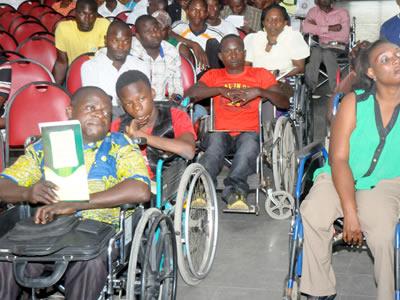
People -First -Language When Addressing People With Disability

By: Brenda Holo
Think of that nickname your classmates jokingly called you back in the day. You hated it, right? It made you feel like a lesser human being. But if you told someone how you felt, they’d probably tell you, “It’s just a name like any other. Don’t let it grow in you”. Well it’s 2022 folks only one week to 2023. And we are woke enough to know that the language we use to describe the people around us makes an impact, right?
Labeling people is dangerous. When we place labels on people, we create a stigma that separates individuals from the community.
We continuously use words to identify people as something different or as lesser. We do this with gender, ethnicity, as well as disability. Once we apply a label to a group of people, it makes it easier for us to treat that group as less than equal.
Lately, I have noticed people slipping back into old habits. By labeling people with adjectives that describe their disease, disability, illness or limitation, we put them last.
What is “people- first- language”?
Basically, it means: putting the person before a qualifier. In this case I’m talking about people with disabilities. So instead of saying, “I have an autistic sibling,” you’d put the person before the disability: “I have a sibling who is autistic”.
Why do we need to embrace the language?
Well, because your sibling in this case is a person who happens to have autism. His /Her identity is not autism, they might be tons more. When you put their disability first, you are perpetuating a stigma that may seem harmless, but it results in false ideas people have around a certain type of person they see as different. Instead use your words to foster a positive outlook that raises the individual up.
Studies in the recent past have shown that the words we choose are important. Using disease first language like “an epileptic” instead of “a person with epilepsy” made a significant difference in how people felt about interacting with that person on various levels.
Using people’s first language, (people WITH disabilities) when communicating with those who do not have a disability or disease makes them less likely to associate negative stereotypes with us and our community.
Similar Posts by The Mt Kenya Times:
- Diaspora Times Global Oct 17 – Oct 23, 2026
- Is social media a blessing or a curse for university students?
- Light at last: How electricity is reshaping Nandi and Uasin Gishu
- The triple squeeze: how EPRA’s fuel price hike is reshaping the survival equation for the common mwananchi
- Zelenskyy accuses Trump of rewarding Putin as Pope pleads for peace from a hospital bed
About the Author