Bridging The Rift: Strengthening The Relationship Between President Ruto And Deputy President Gachagua For Kenya’s Stability
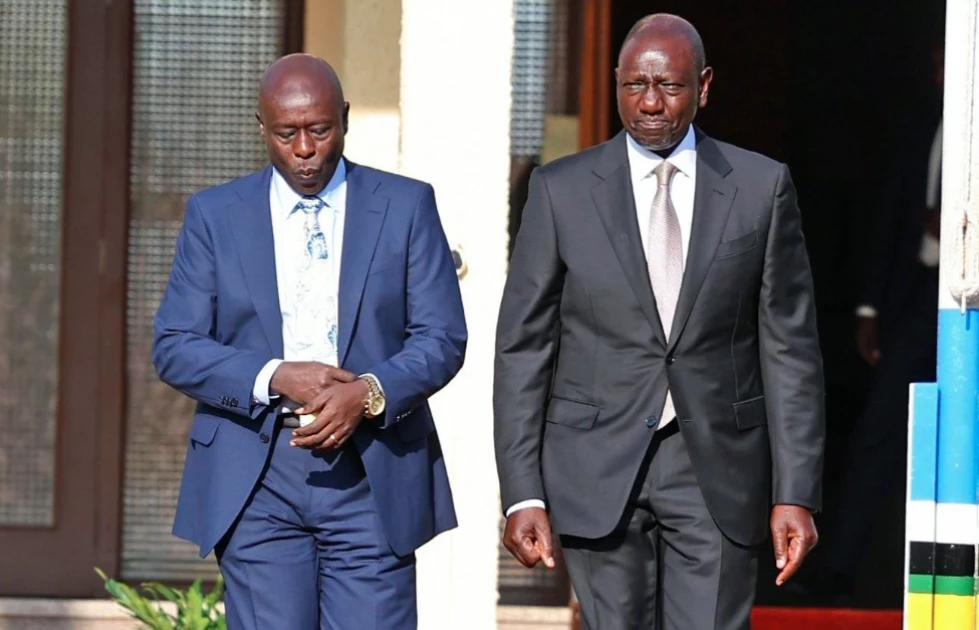
President William Ruto and his Deputy Rigathi Gachagua

By: James Kilonzo Bwire
The relationship between President William Ruto and Deputy President Rigathi Gachagua is critical for Kenya’s political landscape. Effective leadership hinges on collaboration and mutual respect among top officials, a sentiment echoed by political scholars. The current tensions between Ruto and Gachagua highlight the urgent need for strategies to mend their partnership.
Open communication is essential in mitigating misunderstandings. Professor E. Beerbohm emphasizes that this principle is not merely theoretical; it is a practical necessity in political leadership dynamics. When leaders engage in candid discussions, they can address grievances before they escalate into larger conflicts. The ability to express concerns without fear of retribution fosters an environment of trust and collaboration. Beerbohm argues that reliable channels of communication allow representatives to be held accountable for their commitments, which is vital in maintaining public trust. This accountability is crucial in a representative democracy, where citizens expect their leaders to fulfill promises made during campaigns.
Aligning on shared goals is another crucial strategy for enhancing collaboration. Political theorists argue that unity in purpose often translates to effective governance. When Ruto and Gachagua focus on common objectives, they can present a cohesive front that resonates with the electorate. This alignment not only strengthens their internal relationship but also enhances public confidence in their administration. Beerbohm’s insights suggest that high policy areas where party leadership is engaged are critical for maintaining the effectiveness of governance, reinforcing the need for both leaders to work towards common goals.
The importance of public appearances together cannot be overstated. Joint appearances at significant events signal unity to the public, countering any narratives of discord. Political science research indicates that visible solidarity among leaders can reinforce public trust and support. Ruto and Gachagua must prioritize appearing together to demonstrate their commitment to working collaboratively for Kenya’s benefit. This aligns with findings from political communication studies, which show that leaders’ public visibility directly impacts their perceived legitimacy.
Involving mediators can also be beneficial in navigating conflicts. Political science literature suggests that external perspectives often facilitate resolution in high-stakes environments. Trusted allies or advisors can help bridge gaps between the two leaders, ensuring that discussions remain constructive and focused on development rather than personal grievances. The role of mediation in political relationships has been highlighted by various scholars who emphasize its effectiveness in conflict resolution.
Listening to the electorate’s concerns actively is another vital aspect of leadership. Gachagua’s recent remarks highlight the need for leaders to prioritize addressing socio-economic issues over internal political squabbles. This approach aligns with democratic principles, where leaders are accountable to their constituents. Engaging with citizens fosters a sense of ownership and inclusivity in governance, as emphasized by Beerbohm’s advocacy for participatory governance models.
Gachagua’s emphasis on engaging with the youth reflects a forward-thinking approach to leadership. Understanding the perspectives of younger generations is vital for shaping policies that resonate with future voters. By involving youth in discussions about governance, Ruto and Gachagua can cultivate a more inclusive political environment that addresses the needs of all demographics.
The dynamics within the Kenya Kwanza coalition also play a significant role in the relationship between Ruto and Gachagua. Gachagua has pointed out that some members do not respect his position or contributions, which can create friction at the top levels of government. Addressing these internal party dynamics is essential for fostering a harmonious working relationship among leaders who have different backgrounds and interests.
Transparency is another key element in rebuilding trust between Ruto and Gachagua. As political leaders, they must be accountable not only to each other but also to the public. Clear communication regarding their decisions and policies will help mitigate speculation and rumors about their relationship. Studies show that transparency enhances government legitimacy and fosters citizen trust.
Looking at global political dynamics can provide insights into strengthening leadership relationships. Successful leaders worldwide often prioritize collaboration over competition within their ranks. By adopting similar practices, Ruto and Gachagua can enhance their effectiveness as a team while learning from global best practices in political leadership.
Respecting each other’s roles is critical in any leadership structure. Gachagua’s assertion that respect for his office should be paramount serves as a reminder that every leader brings unique strengths to the table. Acknowledging these strengths fosters a collaborative environment where both leaders can thrive.
Actions speak louder than words; thus, both leaders must demonstrate their commitment to collaboration through tangible actions. Initiatives aimed at addressing pressing national issues should be jointly led by Ruto and Gachagua, showcasing their united front during challenging times.
Creating a culture of inclusivity within the administration will further strengthen their partnership. By encouraging diverse voices within government discussions, both leaders can ensure that policies reflect the needs of all Kenyans while fostering a sense of belonging among different groups.
Political leaders often face external pressures that can strain relationships. Ruto and Gachagua must develop strategies to navigate these pressures collectively, ensuring they remain focused on their shared vision for Kenya while managing external expectations.
Both leaders must prioritize development over political rivalries as they work towards addressing pressing socio-economic issues affecting citizens today. Focusing on tangible outcomes will resonate more with citizens than internal disputes.
Establishing mechanisms for constructive feedback within their administration will allow both leaders to express concerns without fear of backlash or misinterpretation by others within the party structure.
Leveraging technology for communication can enhance engagement between Ruto and Gachagua as well as with the public. Social media platforms provide opportunities for direct interaction with constituents, fostering transparency while allowing them to gauge public sentiment effectively.
Finally, both leaders should commit to continuous improvement in their relationship through regular assessments of their partnership dynamics over time—identifying areas needing attention ensures they remain aligned in purpose while adapting strategies as circumstances evolve.
In conclusion, strengthening the relationship between President William Ruto and Deputy President Rigathi Gachagua is vital for Kenya’s political stability and effective governance amid ongoing challenges facing society today—from economic recovery efforts post-pandemic through addressing youth unemployment rates—by prioritizing open communication channels along with shared goals; enhancing public visibility together; utilizing mediation techniques; engaging citizens actively; respecting each other’s roles; fostering inclusivity—all elements critical toward building stronger partnerships capable of addressing pressing national challenges effectively moving forward into an uncertain future ahead.
James Kilonzo Bwire is a Media and Communication Practitioner.
Similar Posts by The Mt Kenya Times:
- When the seller roars and the buyer whispers: Kenya’s competition law and the uneven hunt for market tyrants
- Kane ends England’s 25-year Ballon d’Or wait with record-breaking Bayern season
- Saka dedicates Sócrates Award to Rwandan boy who regained his sight
- Mt Kenya Times ePAPER October 27, 2026
- Sifuna draws hope from Serbia and Brazil as Kenya’s 2027 race heats up
About the Author