Kenya must never let funding failures destroy the dreams of its young people, says Mwathi
 The Mt Kenya Times
Peter Mwathi
The incoming Limuru MP argues that university financing is not a budget line but a national investment whose returns are measured in doctors, engineers and entrepreneurs
By John Kariuki
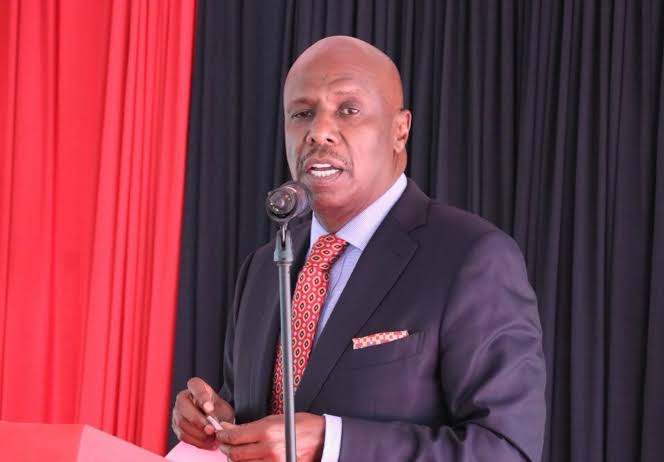
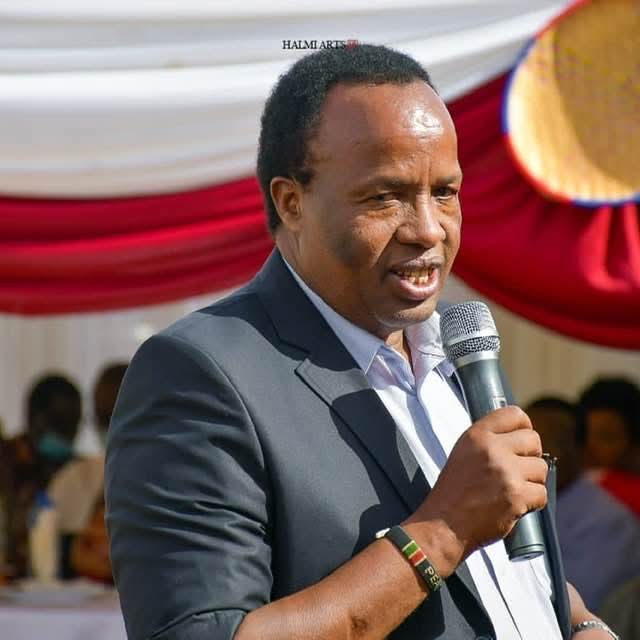
Peter Mwathi, the Limuru parliamentary aspirant, says Kenya cannot afford to normalise a crisis in which students who earned their university places on merit are being forced out of lecture halls by funding delays and financial shortfalls that have nothing to do with their academic ability.
“The dreams of our young people should never be postponed because of funding challenges,” Mwathi said. “Every student sitting in a university lecture hall today carries the hopes of a family and the promise of a stronger Kenya tomorrow. We must protect those dreams with urgency, compassion, and practical solutions.”
For Mwathi, education remains the great equaliser — and higher education in particular must never become a privilege accessible only to those with financial means. He argues that behind every funding delay lies a human story: a student who worked tirelessly to meet admission requirements, parents who gave up everything to pay fees, and communities whose aspirations rest on the shoulders of young people expected to return as professionals, teachers, engineers and innovators.
The consequences of inaction, he warns, are measurable. Students missing lectures, deferring examinations or abandoning their studies altogether do not simply represent personal setbacks — they represent a haemorrhage of human capital that the country’s economy cannot afford.
Mwathi contends that investing in university education is among the most rational decisions any government can make. Nations that have achieved durable economic progress have, without exception, prioritised education, research and skills development. Kenya, he says, must hold that course.
University graduates, he notes, become the professionals who strengthen healthcare systems, modernise agriculture, build infrastructure, advance technology and create employment. Every student who completes a degree represents a return on investment whose dividends extend from the individual to the family, the community and the national economy.
Addressing the crisis, Mwathi says, demands practical, sustainable and student-centred solutions. He calls for greater predictability in the disbursement of government financial support so that learners can concentrate on their studies rather than on whether their rent and tuition will be covered. He also presses for transparency and clear communication from the responsible agencies — students and their families, he argues, deserve to understand funding timelines and eligibility criteria without having to wade through bureaucratic opacity.
He is equally direct in his challenge to the private sector. Government alone cannot carry the full weight of higher education financing. Banks, industry bodies, alumni associations, development partners and philanthropic organisations all have a role to play in expanding the resource base available to deserving students.
Beyond funding, Mwathi believes universities must deepen their commitment to mentorship, career guidance, entrepreneurship training and industry linkages, ensuring graduates emerge not merely as job-seekers but as job-creators equipped to drive economic transformation.
Kenya’s youthful population, he maintains, is the country’s single greatest strategic asset. With the right investment and opportunity, young people have the creativity, resilience and drive to push the country toward greater prosperity. Neglecting their educational needs, however, risks a long-term social and economic reckoning the country may struggle to reverse.
Mwathi is also clear that this conversation must rise above politics. The future of an entire generation is a national responsibility, not a partisan one. Stakeholders across the political divide, he says, should be united by a single question: how do we ensure that every deserving student stays in the classroom and completes their education?
As he campaigns for the Limuru seat, Mwathi says championing policies that expand educational opportunity and protect learners from financial hardship will be a defining commitment of his tenure should he win. He expresses confidence that through sound policy and sustained investment, Kenya can build a higher education system that is accessible, equitable, and genuinely responsive to the aspirations of its young people.
The country’s future, he says, will be determined by how wisely it invests in them today.
Similar Posts by The Mt Kenya Times:
- From job seekers to job creators: Africa needs a new bargain between universities, governments and business
- BALLOTS, BULLETS AND THE PRICE OF A WARD
- Mt Kenya Times ePAPER October 24-25, 2026
- Muturi calls on IEBC to keep election technology tender clean and on schedule
- Ruto meets UAE minister in push to deepen trade ties
About the Author