Strengthening Public Barazas: A Key To Effective Governance In Kenya
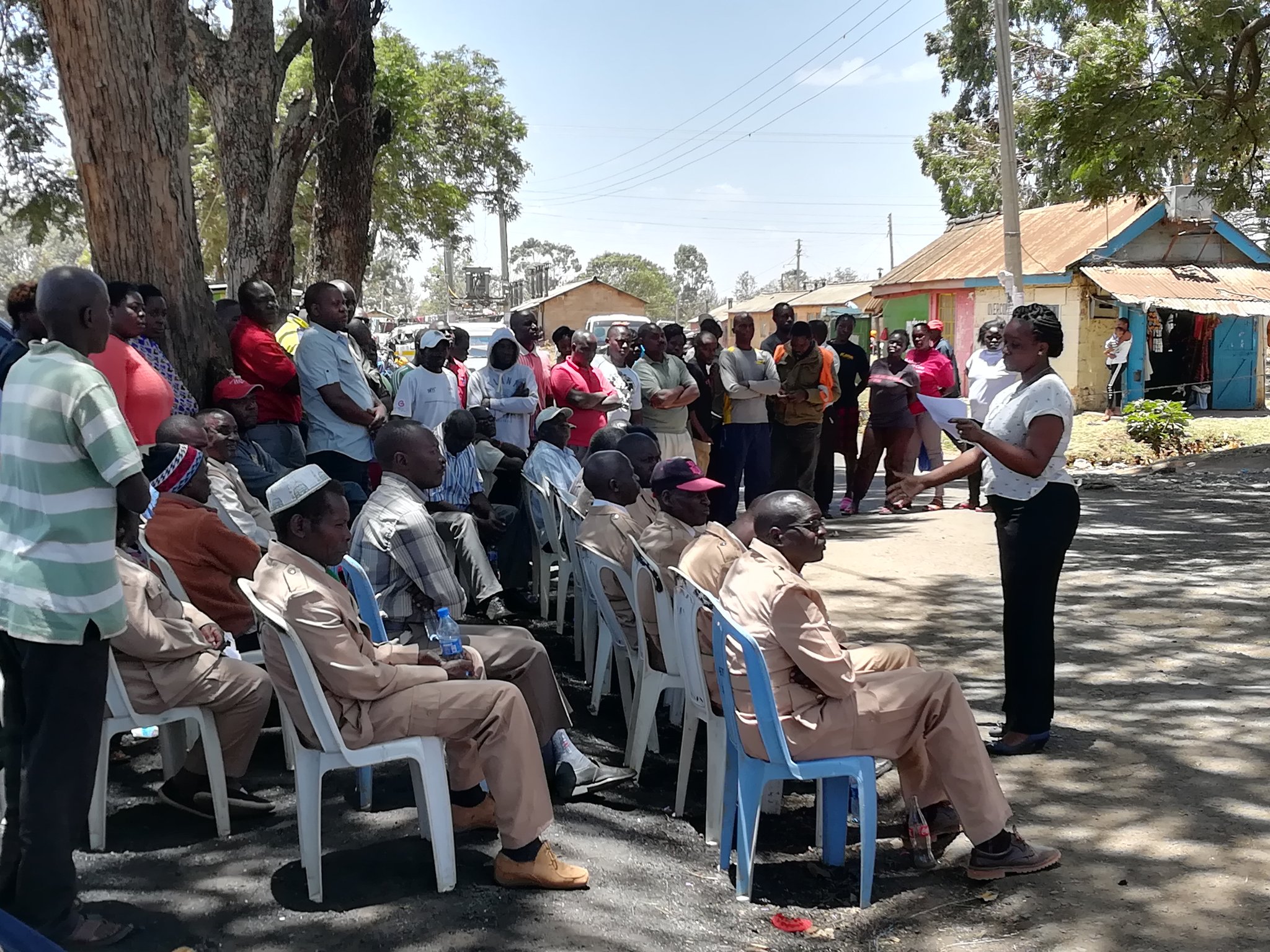
Strengthening Public Barazas.

By: James Kilonzo Bwire
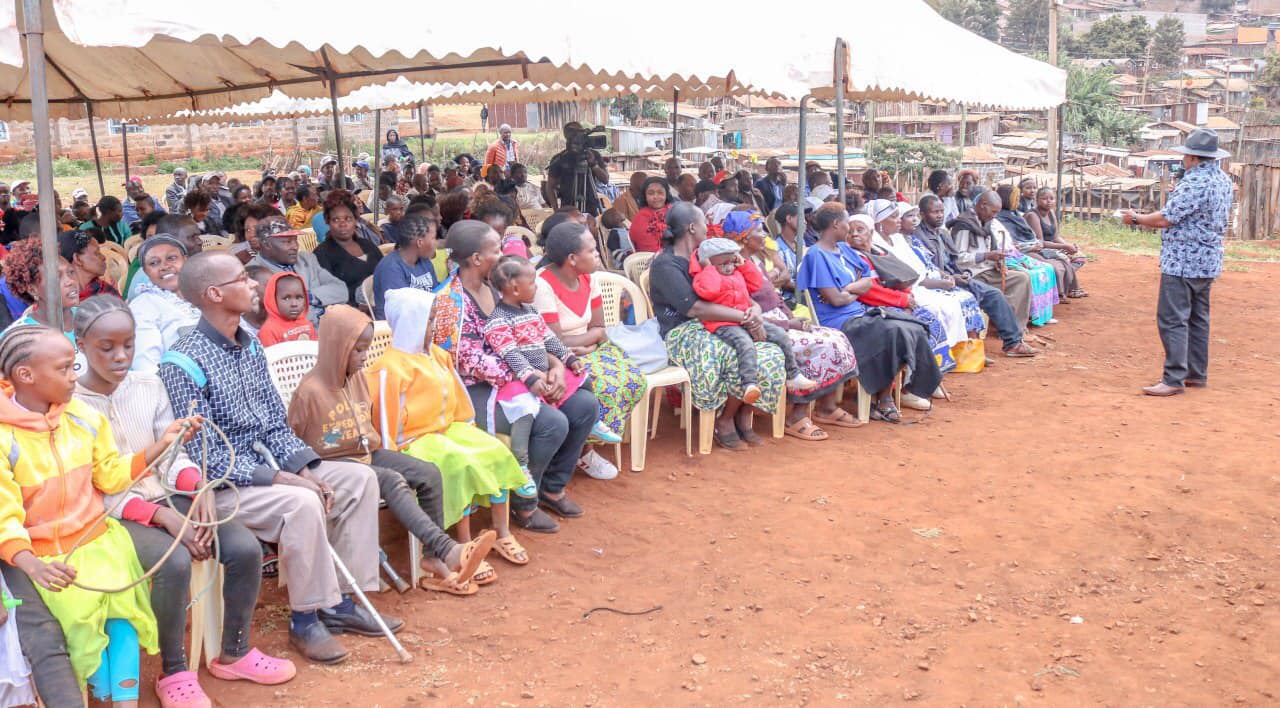
The Kenyan government’s use of public barazas as a platform for citizen engagement in policy implementation is a commendable practice that should be strengthened and expanded. Barazas provide a vital link between the government and the people, fostering transparency, accountability, and responsive governance. As the country navigates complex challenges, harnessing the power of public participation through barazas is crucial for effective and inclusive development.
Barazas offer a direct avenue for citizens to engage with government officials, holding them accountable for service delivery and the use of public resources. This open dialogue enhances transparency in government operations, ensuring that citizens have a voice in the decisions that affect their lives. By providing a platform for citizens to voice their concerns and priorities, barazas enable the government to make informed decisions that are responsive to local needs. Furthermore, barazas bring together diverse groups of citizens, empowering them to actively participate in monitoring and providing input on government programs in their communities. This fosters a sense of ownership and civic engagement, as citizens take an active role in shaping the development agenda. By encouraging participation, barazas help to bridge the gap between the government and the people, creating a more inclusive and responsive system of governance.
During barazas, citizens have the opportunity to surface implementation challenges and bottlenecks that the government may not be aware of. This valuable feedback allows for timely course corrections, ensuring that government programs are effectively reaching their intended beneficiaries. By harnessing the knowledge and experiences of citizens, barazas contribute to the successful implementation of policies and programs. Regular interaction and feedback loops established through barazas help to rebuild trust between citizens and the government. This trust is critical for the effective implementation of policies, as citizens are more likely to support and engage with programs they have had a hand in shaping. By demonstrating responsiveness to citizen input, the government can foster a culture of collaboration and mutual understanding.
However, the effectiveness of barazas can be hindered by historical and structural challenges. Research indicates that barazas have a chequered history, often viewed as tools for rubber-stamping decisions rather than genuine platforms for citizen participation. Issues such as power contestation, corruption, and intimidation can undermine the legitimacy of these gatherings, particularly in marginalized communities. For instance, in informal settlements like Mukuru Kayaba, residents have reported feeling excluded from meaningful participation, which diminishes the potential of barazas to serve as effective engagement tools. Addressing these challenges is essential to ensure that barazas truly reflect the voices of all citizens, especially the most vulnerable.
To further enhance the effectiveness of barazas, the government should consider institutionalizing them at all levels, not just at the district and sub-county levels. Increasing funding for barazas will ensure they are held more frequently, allowing for regular interaction and feedback between citizens and government officials. Strengthening feedback mechanisms is also vital to demonstrate the government’s responsiveness to citizen input, showcasing how participation influences policy decisions and program implementation. Additionally, conducting regular assessments of barazas will help continuously improve their design and effectiveness, ensuring they remain relevant to the needs of the communities they serve.
Public barazas are a valuable tool for engaging citizens in the implementation of government programs and policies in Kenya. By enhancing accountability, transparency, and citizen participation, barazas contribute to more effective and responsive governance. As the country faces complex challenges, harnessing the power of public participation through barazas is crucial for inclusive and sustainable development. The government should continue to invest in and strengthen this important mechanism for citizen engagement, ensuring that the voices of all Kenyans are heard and represented in the decision-making process. Ultimately, revitalizing barazas can empower citizens, enhance governance, and foster a more equitable society.
James Kilonzo Bwire is a Media and Communication student at Masinde Muliro University of Science and Technology kakamega.
Similar Posts by The Mt Kenya Times:
- When the seller roars and the buyer whispers: Kenya’s competition law and the uneven hunt for market tyrants
- Kane ends England’s 25-year Ballon d’Or wait with record-breaking Bayern season
- Saka dedicates Sócrates Award to Rwandan boy who regained his sight
- Mt Kenya Times ePAPER October 27, 2026
- Sifuna draws hope from Serbia and Brazil as Kenya’s 2027 race heats up
About the Author