Kenya's Broad-Based Government

By: James Kilonzo Bwire
President William Ruto’s bold move to establish a broad-based government in Kenya has ignited both hope and skepticism among the nation’s citizens. While the concept of an inclusive administration that brings together diverse political factions holds the promise of unity and progress, it also faces significant challenges and criticism.
Ruto’s vision for a broad-based government is rooted in his belief that collaboration across political lines is essential for unlocking the country’s full potential. By incorporating leaders from opposition parties, such as Hassan Joho, Wycliffe Oparanya, and Opiyo Wandayi, into his newly sworn-in cabinet, the administration aims to leverage their expertise and experience to enhance governance and drive economic transformation.
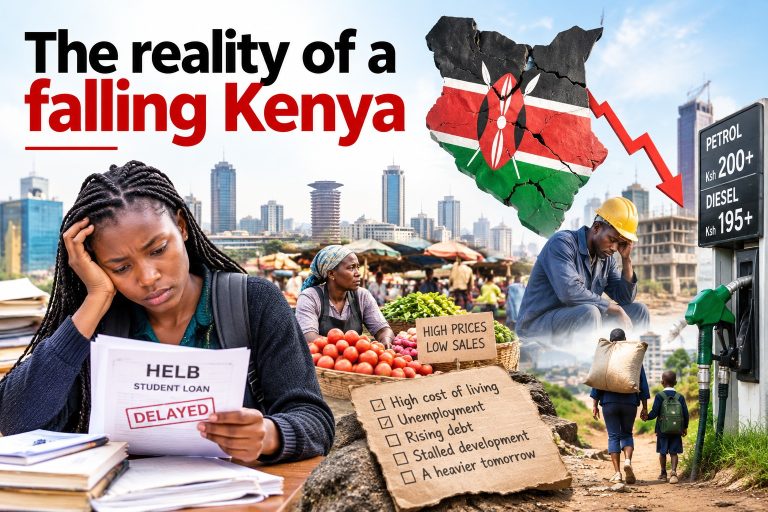
The President’s optimism is palpable as he argues that inclusivity will enable the government to address pressing economic issues more effectively. However, skepticism remains, particularly from the youth, who demand substantial reforms and accountability. Many argue that simply including opposition members does not address the systemic issues within the government, and protests have erupted, reflecting discontent with the current administration’s handling of economic and social issues.
Kenya’s political landscape has long been characterized by intense rivalry and division, often leading to unrest and stagnation. The concept of a broad-based government seeks to break this cycle by fostering a culture of cooperation and inclusivity. Ruto’s initiative is a response to the need for a fresh start in governance, particularly in the wake of recent protests against the Finance Bill, which highlighted the public’s frustrations with the leadership.
The success of Kenya’s broad-based government will depend on its ability to navigate internal challenges and genuinely address the concerns of all citizens, particularly marginalized groups like the youth. While the formation of such an administration is a step towards greater inclusivity, it must be accompanied by genuine reforms to rebuild public trust and ensure effective governance.
President Ruto’s bold move to establish a broad-based government in Kenya is a gamble with high stakes. If successful, it could usher in a new era of unity, collaboration, and progress. However, if it fails to deliver on its promises and address the systemic issues plaguing the nation, it risks further eroding public trust and exacerbating the very divisions it seeks to heal.
The future of Kenya’s broad-based government hangs in the balance, and the nation watches with bated breath to see if it will fulfill its promise or succumb to its peril. The newly sworn-in cabinet, which includes both seasoned politicians and fresh faces, will be tasked with navigating this delicate balance and proving to the Kenyan people that their hopes for a better future are not misplaced.
As the nation embarks on this new chapter, it is clear that the path ahead is not without its challenges. However, with a spirit of cooperation, a commitment to reform, and a genuine desire to serve the people of Kenya, the broad-based government has the potential to usher in a new era of progress and prosperity for the nation.
James Kilonzo Bwire is a Media and Communication student at Masinde Muliro University of Science and Technology kakamega.
Email address kilonzojames5713@gmail.com
Similar Posts by The Mt Kenya Times:
- When the seller roars and the buyer whispers: Kenya’s competition law and the uneven hunt for market tyrants
- Kane ends England’s 25-year Ballon d’Or wait with record-breaking Bayern season
- Saka dedicates Sócrates Award to Rwandan boy who regained his sight
- Mt Kenya Times ePAPER October 27, 2026
- Sifuna draws hope from Serbia and Brazil as Kenya’s 2027 race heats up
About the Author