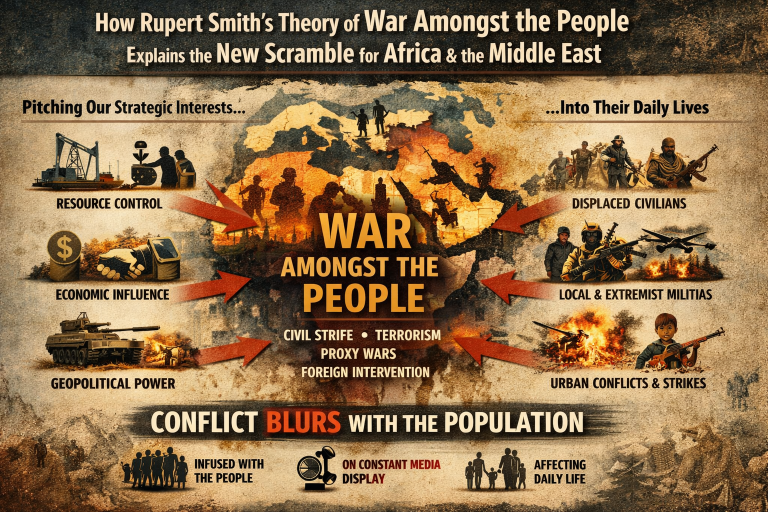
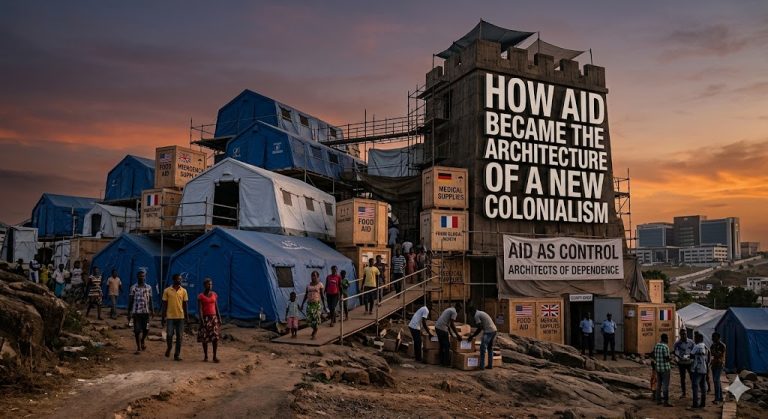
The Shackles Of Imposed Justice: When African Autonomy Collides With Global North Narratives
 The Mt Kenya Times
By: Silas Mwaudasheni Nande
Across the vast and diverse continent of Africa, a silent struggle for self-determination plays out daily in the halls of power and the lives of ordinary citizens. It’s a struggle rooted in the paradoxical legacy of colonialism: independent African states, yet often operating under constitutions, laws, and policies that bear the indelible stamp of their former colonizers from the Global North. The irony deepens when these same African nations attempt to forge their own paths, only to face fervent resistance from the Global North, which frequently invokes the universal banner of “human rights” to critique and even undermine these homegrown initiatives.
This notion is not mere academic conjecture; it is a lived reality with tangible consequences for African governance, development, and sovereignty. The narrative often spun is one of African states “violating human rights” when, in fact, the deeper issue is a clash of legal philosophies, cultural contexts, and geopolitical interests.
The Enduring Legal Blueprint of the Global North
A critical examination reveals how deeply ingrained Global North legal frameworks remain in African jurisprudence. Many African countries inherited legal systems directly from their colonial masters – common law from Britain, civil law from France, or a hybrid of both. This transplantation wasn’t just about legal procedure; it carried with it underlying philosophical assumptions, judicial precedents, and even specific statutes that were designed for colonial administration, not for independent African nations.
Criminal Codes: Take, for instance, the criminal codes in many Anglophone African countries. They often mirror the English Penal Code, including provisions that reflect colonial-era concerns such as vagrancy laws. These laws, while perhaps intended to control movement or maintain public order in a colonial context, can be ill-suited to modern African societies and are sometimes used to suppress dissent or marginalize vulnerable populations. For example, some vagrancy laws, originally designed to control “idle” Africans and ensure labor supply, persist in various forms, impacting individuals who are homeless or informally employed.
Land Tenure Systems: The colonial imposition of individual land ownership, often overriding communal or customary land tenure systems, is another prime example. In many parts of Africa, pre-colonial societies had complex communal land rights, where land was a shared resource, not a commodity to be bought and sold. Colonial powers introduced Western concepts of private property, leading to displacement, land grabs, and ongoing disputes that continue to destabilize communities. Even today, land reform efforts in many African nations grapple with the legacy of these imposed systems and face pressure from external actors to conform to Western notions of property rights.
 Constitutional Frameworks: The very constitutions under which many African states operate often reflect Westminster or French models, with their specific separation of powers, judicial review mechanisms, and bills of rights. While these frameworks offer a basis for democratic governance, their application in diverse African contexts can lead to tensions. For example, the emphasis on individual rights, as championed by the Global North, can sometimes clash with traditional African communal values or the need for collective development.
The ‘Human Rights’ Cudgel: A Tool of Influence?
When African states attempt to deviate from these inherited frameworks or formulate policies that align with their own unique socio-cultural realities, the Global North often raises the alarm, citing human rights violations. This resistance can manifest in various ways:
Conditional Aid and Loans: Development aid and international loans are frequently tied to “good governance” and human rights conditionalities, often defined by Global North standards. If an African state enacts a policy perceived as deviating from these standards, financial assistance can be withheld or reduced, effectively remote-controlling policy decisions. This pressure can force African governments to prioritize external demands over internal needs or popular will.
Diplomatic Pressure and Sanctions: African nations that adopt policies deemed “problematic” by the Global North may face diplomatic isolation, travel bans on officials, or even targeted sanctions. This exerts immense pressure on governments to conform to external expectations, even when those expectations might not be culturally appropriate or economically beneficial for their citizens.
Media Narratives and Public Opinion: Western media often plays a significant role in shaping global perceptions of African policies. A policy that challenges established norms or economic interests of the Global North might be swiftly condemned as “authoritarian” or a “violation of human rights,” irrespective of the nuances of its intent or local support. This can create a chilling effect, discouraging African leaders from pursuing genuinely innovative and contextually relevant solutions.
Specific African Contexts: Where Remote Control is Evident
LGBTQ+ Rights: One of the most prominent examples of this clash is the issue of LGBTQ+ rights. Many African countries, rooted in traditional values and religious beliefs, have laws criminalizing homosexual acts. The Global North often strongly condemns these laws as egregious human rights violations, leading to intense diplomatic pressure, aid cuts, and public shaming campaigns. While the principle of universal human rights is paramount, the manner in which this issue is framed by the Global North often disregards the deeply held cultural and religious convictions prevalent in many African societies, leading to accusations of cultural imperialism.
Resource Management and Extraction Laws: African nations rich in natural resources often face immense pressure from multinational corporations, largely based in the Global North, and their home governments, to adopt extractive policies that favor foreign investment and ensure the flow of raw materials. When African governments attempt to enact laws that promote greater local content, beneficiation, or environmental protection, they are sometimes accused of violating international trade agreements or creating an “unfavorable investment climate,” often veiled under the guise of “rule of law” which is itself heavily influenced by Global North legal traditions. The resistance to these policies can be so strong that it effectively dictates how African nations manage their own resources.
Freedom of Expression and Media Laws: While freedom of expression is a universal human right, its interpretation and application can differ. In some African contexts, laws on defamation, sedition, or public order, often inherited from colonial penal codes, are used to limit critical speech or restrict media freedom. When African governments enact or enforce these laws, even if their intent is to maintain social cohesion or protect national security, they often face accusations of suppressing dissent, leading to external pressure and condemnation. The challenge lies in finding a balance that upholds fundamental freedoms while respecting local contexts and preventing genuine abuses of power.
Towards Genuine African Autonomy
The path forward for African states lies in asserting their legislative and policy autonomy without fear of undue external interference. This requires:
Reclaiming Legal Sovereignty: A comprehensive review and reform of inherited legal frameworks, adapting them to African realities and aspirations. This includes developing indigenous legal scholarship and fostering a jurisprudence that is truly African.
Contextualizing Human Rights: Engaging in a nuanced dialogue with the Global North on the interpretation and application of human rights, emphasizing that universal principles can be upheld within diverse cultural and historical contexts. This means challenging the idea that a singular, Western-centric definition of human rights is the only valid one.
Diversifying Partnerships and Funding: Reducing over-reliance on aid and loans tied to restrictive conditionalities by exploring alternative funding mechanisms and forging partnerships with a wider array of global actors.
Strengthening Regional Institutions: Empowering regional bodies like the African Union and its human rights mechanisms to articulate and enforce African perspectives on governance and human rights, thereby reducing the continent’s susceptibility to external pressures.
Africa’s journey towards true self-determination requires not just political independence, but also a liberation from the intellectual and legal legacies that continue to remote-control its policy choices. Only then can the continent genuinely chart its own course, formulating laws and policies that authentically serve the needs and aspirations of its people, free from the shadow of imposed justice and selective human rights narratives.
Similar Posts by The Mt Kenya Times:
- Kenya joins US and UK to put citizens on the terrorism frontline
- Kenya’s parliament races to tame the AI frontier
- Kalonzo calls Ruto to order over Uhuru attacks
- Gachagua takes his 2027 campaign to America
- Uhuru owns “sponsor” — and Ruto should be worried
About the Author