The Mt Kenya Times
By: Wanjohi P Mugambi
UNICEF uses the term ‘child protection’ to refer preventing and responding to violence, exploitation and abuse against children – including commercial sexual exploitation, trafficking, child labour and harmful traditional practices, such as female genital mutilation/cutting can and child marriage. UNICEF child protection programmes also target children who are uniquely vulnerable to these abuses; such as when living without parental care, in conflict with the law and in armed conflict. Violations of the child’s right to protection take place in every country and are massive, under-recognized and under-reported barriers to child survival and development, in addition to being human rights violations. Children subjected to violence, exploitation, abuse and neglect are at risk of death, poor physical and mental health, HIV/AIDS infection, educational problem, displacement, homeless
A child protection system consists of laws and policies, meaningful coordination across government departments and between sectors at different levels, multiple governmental and nongovernmental actors working in synergy, knowledge of and data on child protection issues and good practices, minimum Child protection standards and oversight, preventive and responsive services, a skilled child protection workforce, adequate funding, children’s voices and participation and an aware and supportive public.
Every child has the right to be safe from harm. Nevertheless, every year the lives and physical, mental and emotional well-being of millions of children around the world are threatened by maltreatment such as abuse, neglect, violence and exploitation.
Studies from around the world show that approximately 20 percent of women and 5 to 10 percent of men report having been sexually abused as children. Other studies show that between a quarter and a half of all children report severe and frequent physical abuse.
In addition, it is estimated that 215 million children are involved in child labor, which is a form of child exploitation; 115 million of them are involved in hazardous work. These are only some of the staggering figures that show the magnitude of child protection violations around the world.
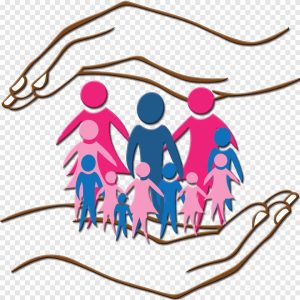 They are under-recognized and under-reported and constitute barriers to the fulfillment of children’s human rights. They also undermine children’s healthy development and survival. These violations occur in every country, culture and social and economic group. However, children whose parents or caregivers are absent owing to illness, death or abandonment are more vulnerable to maltreatment, because they have lost their first line of protection Children in this category are those who have or are affected by HIV, which is a primary focus of the community-based care and support programs of FHI 360 and its implementing partners (IPs) around the world.
Protecting children made vulnerable by this epidemic is a priority for the international community. In June 2006, for example, the General Assembly of the United Nation (UN) issued a “Political Declaration on HIAIDS.” This affirmed government commitment to “addressing as a priority the vulnerabilities faced by children affected by and living with HIV; providing support and rehabilitation to these children and their families, women and the elderly particularly in their role as caregivers; promoting child-oriented HIV and AIDS policies and programs and increased protection for children orphaned and affected by HIV and AIDS;…and building, where needed, and supporting the social security systems that protect them.”In addition, many international and nongovernmental organizations (NGOs),including FHI 360, have endorsed “The Framework for the Protection, Care and Support of Orphans and Vulnerable Children Living in a World with HIV and AIDS.” The document published by the United Nation.
Children’s Fund (UNICEF) in 2004 and often referred to as “the Framework,” outlines strategies and actions.5 And in October 2005, UNICEF launched the Unite for Children, UN against AIDS global campaign. Among the campaign’s central goals are the protection, care and support of children affected by HIV. Community-based care and support programs for children living with and affected by HIV provide unique opportunities for FHI 360 country programs and local IPs to protect children. These programs connect with the most vulnerable children in poor communities. Moreover, their child-focused, family-centered.
Teaching students about child protection and making yourself a part of their support system invites them to come to you with a problem. School personnel must understand and know how to respond appropriately, knowing that it is often very difficult for children to disclose abuse. Students often cannot tell about a touching problem because of the fear of: Memory. Children often cope with their abuse by pushing it so far back in their minds that they “forget.” To remember means to feel hurt again. Loss of Love. Children often worry that their parents or friends won’t love them once they know about their abuse because now they are “dirty.” This is often because children will take responsibility for their abuse. Children also often fear the separation of their family because of the telling. Offenders work hard to reinforce these feelings in order to keep the child silent. Shame & Guilt. Children either know or can sense that what happened, especially a sexual experiences with an adult are wrong. By telling someone and acknowledging that this happened, they fear the shame of the abuse. They fear they will get into trouble for telling. Older children will experience more of a sense of guilt than younger children, especially in sexual abuse. Blame. Children fear that they will be blamed for what happened and in the case of sexual abuse that they somehow wanted it. Adults tend to be believed over the child and offenders often state that the child “asked” for the sexual touch or other abuse. Harm. Offenders often maintain control over their victims by threatening harm to them or their families if they tell. Children are then burdened with the inappropriate responsibility for keeping their families safe.
When working with issues around abuse it is important to be concerned with vulnerable populations. This population consists of students who are developmentally delayed, children with learning differences, or children with disorders such as Asperger’s or autism. These populations often do not express emotions or understand human interaction in the same way as the average child. Often they will not understand that what is happening is wrong, nor may they have the voice to express the danger they are in. With these children it is particularly important to notice if their behavior changes or they become self-destructive in any way.
Similar Posts by The Mt Kenya Times:
- KEBS wins regional trade award at East Africa construction ceremony
- Maasai man reclaims his roots as DNA result confirms 100pc Kenyan heritage
- ICC member states dismiss prosecutor Khan over serious misconduct
- Court convicts Obado, Oyamo and Obiero of Sharon Otieno’s murder
- Kenya’s KSh995.7 billion borrowing plan risks squeezing credit for small bus
About the Author