Kenya steps up farm mechanisation drive to modernise agriculture and boost productivity
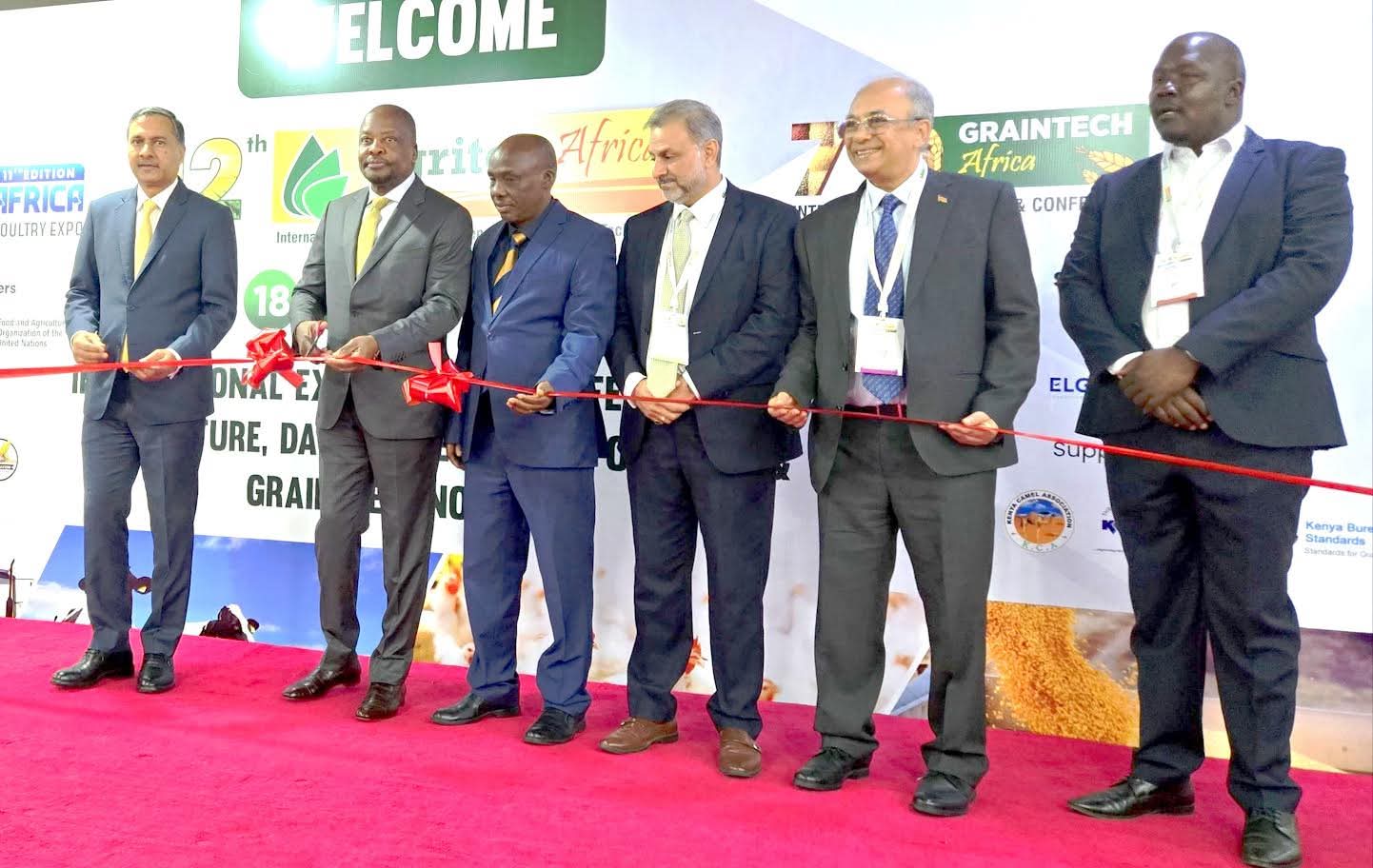
Agriculture and Livestock Development Cabinet Secretary Mutahi Kagwe (second left) tours exhibition stands during the opening of the 12th Agritec Africa Exhibition at the Kenyatta International Convention Centre (KICC) in Nairobi yesterday.
By DMS
The Government has intensified efforts to transform Kenya’s agricultural sector through expanded mechanisation, digital innovation and improved access to affordable financing, in a renewed push aimed at boosting productivity, strengthening food security and attracting younger farmers into agriculture.
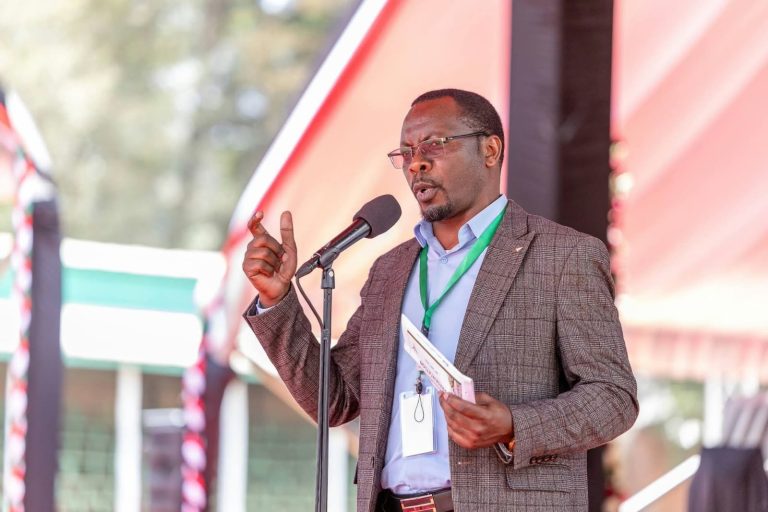
Agriculture and Livestock Development Cabinet Secretary Mutahi Kagwe said mechanisation remains central to the country’s agricultural transformation agenda, noting that Kenya must shift from traditional, labour-intensive farming methods to modern, technology-driven production systems.
Speaking yesterday during the opening of the 12th Agritec Africa Exhibition at the Kenyatta International Convention Centre (KICC) in Nairobi, Kagwe said the government is prioritising investment in modern farm equipment, innovation and digital agriculture tools as part of a broader strategy to make farming more profitable and attractive, especially to young people.
He noted that the average age of Kenyan farmers is now about 64 years, warning that the country risks reduced productivity unless younger generations are attracted into farming through modernisation.
“The average Kenyan farmer is 64 years old. We want to move from 64 to 34. That is the idea behind mechanisation and digitisation,” he said.
Kagwe argued that mechanisation is not a threat to employment, but rather a pathway to better and more specialised jobs. He said increased use of machinery would shift workers from manual labour to higher-skilled roles in equipment operation, maintenance, repair and agricultural logistics.
“You remove the jembe job, but you train the same person to become a tractor operator and give them a better-paying opportunity,” he said.
The Cabinet Secretary said Kenya can no longer rely on traditional farming methods if it is to meet the food demands of a rapidly growing population and compete effectively in regional and global markets. He added that mechanisation and digital agriculture will improve efficiency, reduce post-harvest losses and raise farm incomes while unlocking new value chains.
The government, he said, is working with the National Treasury to develop supportive policies that will ease the importation of agricultural machinery while also encouraging local assembly and manufacturing of tractors and other equipment.
“We are happy to buy equipment from China, India, Italy and elsewhere, but we will be even happier when those tractors are manufactured or assembled here in Kenya,” Kagwe said.
The push for local assembly aligns with broader industrialisation goals aimed at creating jobs, lowering equipment costs and strengthening Kenya’s manufacturing base. Officials say the move could also help position Kenya as a regional hub for agricultural machinery production and servicing.
Beyond policy reforms, the government is encouraging farmers to adopt cooperative models for acquiring machinery. Under this approach, farmer groups and cooperatives would pool resources to purchase tractors and other equipment, reducing individual costs and improving access to mechanisation services.
Kagwe also urged young entrepreneurs to explore opportunities in tractor-hire services, equipment leasing and mechanisation support businesses, describing the sector as a growing source of employment and rural enterprise development.
Financial access remains a key barrier to mechanisation, with the Cabinet Secretary calling on banks and financial institutions to develop affordable lending products tailored to the agricultural sector. He said high interest rates continue to limit farmers’ ability to invest in modern equipment.
“We are prepared to buy the tractors, but not at 20 or 25 per cent interest rates. Affordable financing of around 10 per cent with repayment periods of between three and five years would make mechanisation accessible to more farmers,” he said.
Kagwe further called for closer collaboration between machinery suppliers and financial institutions to design integrated financing packages that would make it easier for smallholder farmers to acquire equipment through structured repayment plans.
Experts say Kenya’s mechanisation agenda comes at a critical time when the agriculture sector continues to face challenges including climate change, rising input costs, labour shortages and declining soil productivity. Increased use of machinery, combined with digital extension services and climate-smart farming practices, is expected to significantly boost yields and improve resilience.
Agriculture remains one of Kenya’s most important economic sectors, contributing a substantial share of GDP and supporting millions of livelihoods. However, productivity has been constrained by overreliance on manual labour, limited access to machinery and underinvestment in modern farming technologies.
The government’s renewed focus on mechanisation is also expected to complement broader initiatives such as irrigation expansion, agro-processing, improved market systems and digital agriculture platforms aimed at transforming the sector into a modern, investment-ready industry.
As Kenya accelerates its agricultural transformation agenda, stakeholders in both the public and private sectors are being called upon to support investment in machinery, innovation and skills development to ensure the sector delivers sustainable food security and economic growth.
Similar Posts by The Mt Kenya Times:
- Mt Kenya Times ePAPER October 13, 2026
- Ruto commissions Uasin Gishu dam to boost year-round farming
- Ruto calls Kenyatta a conman as Kenya’s 2027 battle begins in earnest
- Electricity access must lead to local opportunity
- God had to break your marriage to save your mother’s house
About the Author