When the ballot box becomes the Kenyan voter’s most expensive amnesia
 The Mt Kenya Times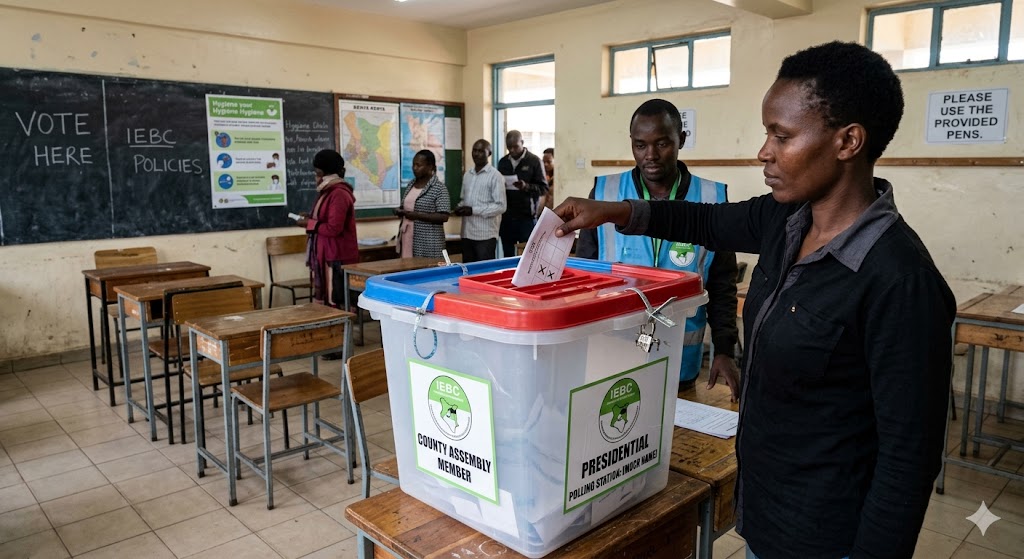
Voting day
By Jerameel Kevins Owuor Odhiambo
There is an old proverb that cuts like a panga through the fog of political self-deception which states that he who cannot restrain himself is restrained by others. But what of a people who, every five years with the reliability of a seasonal rains, hand the restraining rope to the very person who then ties it around their own necks? That is not tragedy. That is a ritual. And Kenya has perfected it.
Let us begin with facts, because facts are the cold water that should wake the dreamer. In 2007, Kenyans burned each other’s homes over a man who, once safely in power, signed a grand coalition agreement and shared breakfast with the opponent he had allegedly stolen an election from leaving ordinary Kenyans to bury their dead and count their missing. In 2017, the Supreme Court of Kenya made continental history by nullifying a presidential election, and the response of the winning incumbent was to publicly castigate the judiciary, call the Chief Justice names that would shame a market tout, and then proceed to win a repeat election boycotted by half the country. His supporters celebrated. By 2022, Kenyans were again dancing at rallies for a new messiah, conveniently forgetting that several of the same faces on the winning ticket had been present at the scene of every prior catastrophe. Memory, it appears, is not a Kenyan voter’s strong suit.
The psychological term for what happens to the Kenyan electorate every election cycle is motivated reasoning the cognitive process by which the human mind works backwards from a desired conclusion, manufacturing justifications along the way. But motivated reasoning alone does not explain the depth of the phenomenon. What we witness in Kenya is something more layered, more structurally embedded. It is the convergence of ethnic epistemology, colonial institutional inheritance, manufactured poverty, and a legal culture that has been systematically taught to genuflect before power rather than challenge it
Anthropologists who have studied post-colonial African societies speak of the big man syndrome the transference of pre-colonial loyalty structures onto modern electoral contexts. In many Kenyan communities, the chief, the elder, the patriarch was owed deference not because he had earned it through service but because the cosmology of the community had vested in him a sacred authority. Colonialism did not destroy this structure; it dressed it in a suit, gave it a budget and a government vehicle, and called it a Member of Parliament. The voter who marches to the polling station and votes for the man from his community knowing fully that the man has stolen before, governed poorly before, lied before is not being irrational by his own cultural logic. He is performing an ancient act of communal solidarity that the architects of our electoral system fatally failed to account for.
And so the sociology of it becomes clear. Kenya is not a nation of individuals making individual choices at the ballot box. It is a nation of communities making communal bets, wagering that *our person* in power is better than their person in power, regardless of what either person has demonstrably done. The citizen does not ask: what has this leader built? He asks: is this leader one of us? Identity trumps accountability. The ballot becomes not a civic instrument but a census count dressed in democracy’s clothing.
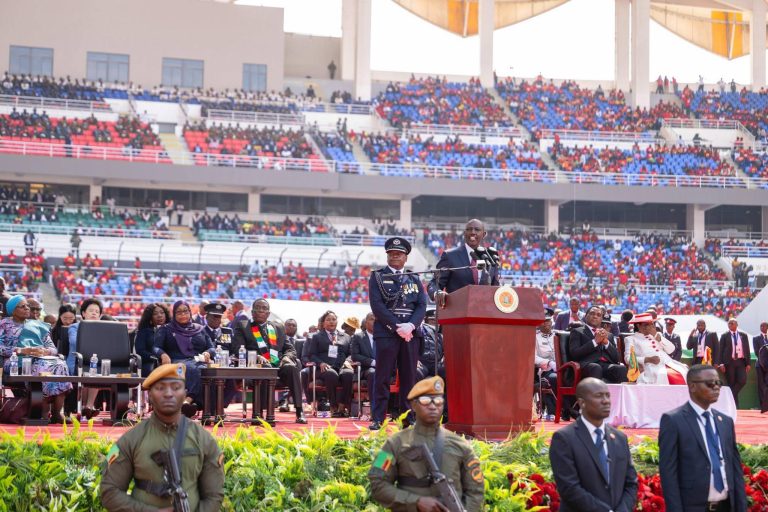
Then the leader wins. And that is when, with almost theatrical predictability, the curtain falls and the performance begins. Public funds become private fortunes. Court orders become suggestions. The Constitution that transformative document, born of struggle, negotiated through blood becomes what our judges have in other contexts warned against: a tool of convenience, invoked when useful and discarded when inconvenient. The leader who swore before God and witnesses to protect, preserve and defend the Constitution now speaks of it the way a man speaks of a speed bump something to drive over carefully when someone is watching, and at full throttle when no one is.
And here, the legal dimension becomes devastating. Kenya’s Constitution of 2010 is not a timid document. Article 2 declares its supremacy with the force of granite. Article 10 binds every State organ and State officer to national values and principles including the rule of law, accountability, and transparency. Article 73 imposes obligations of service on public officers. Article 232 codifies the values of public service. These are not aspirational whispers. They are commands. But a constitution that commands without citizens who enforce is merely expensive paper. The tragedy of Kenya’s constitutional moment is that the people most empowered to enforce it the voters switch off their enforcement instincts precisely at the moment the enforcement mechanism is triggered: the election.
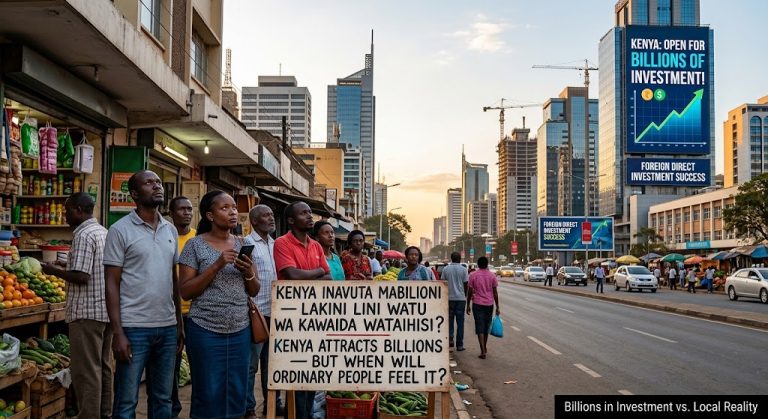
What brings the senses back? Suffering. When the roads become craters, when the hospitals have neither drugs nor doctors, when school fees arrive like a national emergency, when a mother in Murang’a watches her child die of a preventable disease while a governor’s motorcade sweeps past the senses return with brutal urgency. The same citizen who danced at the campaign rally is now at the baraza cursing the very name he had painted on his face. The same community elder who delivered bloc votes is now holding a press conference demanding accountability. The awakening is real. Its tragedy is that it is cyclical and never cumulative.
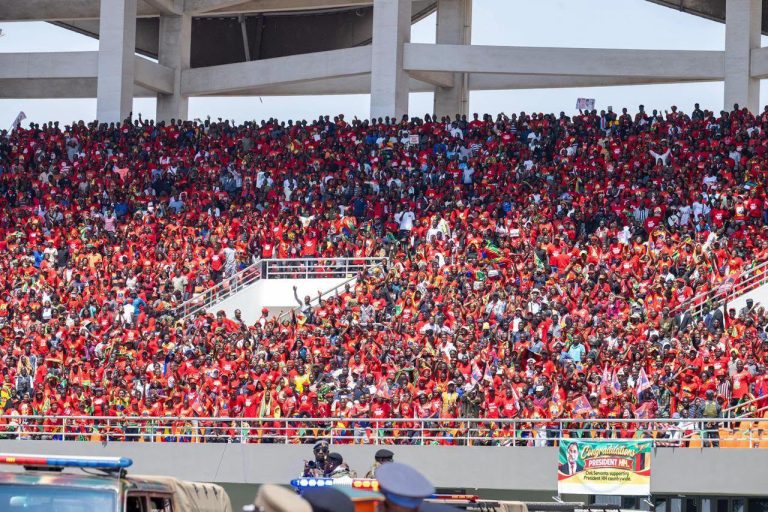
This is the sociological condition that scholars call political amnesia reinforced by clientelism. Leaders know the awakening will come. They also know it will pass. What they have mastered and this is where history becomes both teacher and indictment is the management of the five-year cycle. Just as the voter’s anger reaches its peak, the campaign season opens, and new promises are made, new handouts are distributed, new enemies are identified across ethnic lines, and the voter’s senses, which had been functioning perfectly well, are once again narcotized by the familiar drug of identity politics and short-term patronage.
The historian looks at this and sees a pattern that colonial administrators noted with satisfaction in their internal memos: keep the natives fighting each other and they will never fight you. Post-independence Kenya did not escape this architecture. It inherited it, rebranded it, and handed it to indigenous elites who have run it with depressing efficiency ever since.
There is one thing more to say, and it must be said plainly. A people who keep electing the same category of leader and expecting different results are not victims of their leaders alone. They are, in part, co-authors of their condition. The senses do not switch off during elections because Kenyans are foolish. They switch off because the system has been designed deliberately, expertly, expensively to make switching off more rewarding than staying alert. Changing that equation is the work of legal literacy, civic education, and institutional memory. The ballot box will never save a people who do not first save themselves from themselves.
The writer is a social commentator.
Similar Posts by The Mt Kenya Times:
- Mt Kenya Times ePAPER September 17, 2026
- Ruto and Uhuru: The rupture at the heart of Kenya’s 2027 election
- Gakoromone traders and rights group demand closure of sewage discharge
- Retirement is not disenfranchisement: Reclaiming the constitutional rights of Kenya’s former presidents
- Kenya’s 2027 election: Can technology strengthen democracy or manipulate voters?
About the Author